Volume: 11 Issue: 2 April 2013
FULL TEXT
Objectives: The application of regulatory T cells in the field of solid-organ and hematopoietic stem cell transplantation is under investigation to develop novel cellular strategies for tolerance induction. Establishing in vitro procedures to induce and expand regulatory T cells seeks to overcome the limiting small number of this rare T cell population. The present study is based on growing evidence that granulocyte colony stimulating factor exerts immune regulatory function in the adaptive immune system and may induce regulatory T cells in vivo.
Materials and Methods: We analyzed the effect of recombinant granulocyte colony stimulating factor to directly convert CD4+CD25- T cells into regulatory T cells in vitro. Marker molecules were analyzed by quantitative reverse transcriptase-polymerase chain reaction and fluorescent-activated cell sorter analyses. Functional assays were performed to investigate the suppressive capacity of granulocyte colony stimulating factor stimulated T cells.
Results: Kinetic analyses of Foxp3 gene expression uncovered increased levels early after in vitro stimulation with granulocyte colony stimulating factor. However, protein analyses for the master transcription factor Foxp3 and other regulatory T cells revealed that granulocyte colony stimulating factor did not directly induce a regulatory T cell phenotype. Moreover, functional analyses demonstrated that granulocyte colony stimulating factor stimulation in vitro does not result in a suppressive, immune regulatory T cell population.
Conclusions: Granulocyte colony stimulating factor does not induce regulatory T cells with a specific phenotype and suppressive potency in vitro. Therefore, granulocyte colony stimulating factor does not qualify for developing protocols aimed at higher regulatory T cell numbers for adoptive transfer strategies in solid organ and hematopoietic stem cell transplantation.
Key words : T cells, G-CSF, Foxp3, Regulatory T cells, Clinical trials
Introduction
Granulocyte colony stimulating factor (G-CSF) has been identified as a cytokine that induces proliferation of normal granulocyte colonies and maturation of leukemic cell lines.1-3 Recombinant human G-CSF (rhG-CSF) has been in clinical use for more than 20 years to reduce neutropenia after radiation and chemotherapy. Furthermore, rhG-CSF is approved for mobilizing peripheral blood progenitor cells from healthy donors and is used worldwide in hematopoietic stem cell transplantation.4,5
Growing evidence exists that G-CSF not only acts as a master regulator of hematopoiesis and the innate immune system, but also exerts pleiotropic effects on adaptive immune responses. In patients6 and healthy stem cell donors7 treated with rhG-CSF, the proliferative response of T cells to allogeneic and mitogenic stimulation is reduced. This effect is thought to be mediated by soluble factors,8,9 indirect modulation of monocyte function,7,10 or inhibition of costimulatory signaling pathways.11 Further investigations by our group have shown that G-CSF provokes a shift toward Th2 immune response via the functional expression of the G-CSF receptor on T lymphocytes,12 with an induction of IL4 secretion in vitro and in vivo. Others have identified increases in IL10,13,14 IL4,15-17 TGF β18 production, and decreases in IFN-γ and IL215,17,19,20 on alloantigenic or mitogenic stimulation. Most of these data argue for an indirect effect of G-CSF on the T-cell phenotype via monocytes and dendritic cells. Rutella and associates have shown that G-CSF induces CD4+ T cells with a regulatory phenotype producing high amounts of IL10, and to a lesser extent, TGF-β in the periphery of healthy human recipients.14 These regulatory T cells (Tr1 cells) might convert from CD4+CD25- T cells21 in the presence of IL10 and suppress inflammatory immune responses22 like graft-versus-host disease.
Experimental data and clinical trials have shown the potency of regulatory T cells to suppress graft-versus-host disease23-25 while preserving the beneficial graft-versus-leukemia effect.26,27 Notably, regulatory T cells (Tregs) also play a pivotal role in controlling immune responses in autoimmunity, solid-organ transplantation, and infectious diseases. Therefore, the therapeutic application of Tregs to suppress unwanted immune reactions is under investigation.28 A major limitation for a broad clinical application of adoptive regulatory T cells (Treg) cell transfer is the small number of Tregs in the peripheral blood of healthy donors. Therefore, establishing large-scale expansion protocols for human Tregs is in the focus of clinical research. In the context of clinical developments in cell-based therapies and with respect to formerly reported results, we addressed the question whether G-CSF may directly induce conversion of naïve T cells into regulatory T cells. The direct induction of Tregs by G-CSF may effect development of novel strategies for Treg cell induction and expansion.
Materials and Methods
Donor sampling
Heparinized blood samples (40 mL) were obtained from 28 healthy donors (17
women and 11 men; median age 31.5 y; range 20-48 y) after gaining written,
informed consent. Approval was obtained from the ethical committee of Hannover
Medical School. All protocols conformed with the ethical guidelines of the 1975
Helsinki Declaration.
Isolation of CD4+CD25- T lymphocytes and stimulation
with recombinant human granulocyte colony stimulating factor
Peripheral blood mononuclear cells were freshly isolated by Ficoll gradient
and CD4+CD25- T lymphocytes were negative selected using
the CD4+CD25+ regulatory T cell kit (Miltenyi Biotech,
Germany) according to the manufacturer’s protocol. The purity of the isolated T
cell population was controlled by fluorescent-activated cell sorter analysis (>
95%). CD4+CD25- T lymphocytes were stimulated with/without 100 ng/mL
rhG-CSF (Granocyte 13, Chugai Pharma, Frankfurt, Germany) on anti-CD3 and
anti-CD28 antibody precoated cell culture plates (over night at 4°C with 5 μg/mL)
for the indicated time points. Total RNA was isolated using RNeasy Mini Kit from
Qiagen (Hilden, Germany) and DNase digested according to the manufacturer’s
protocol. Isolated mRNA was reversely transcribed using 200 U Superscript II (Invitrogen,
Germany), oligo dT-, and random hexamer primers (Invitrogen). Polymerase chain
reaction was performed using primers specific for human RPS9, Foxp3, CD127,
CTLA-4, GATA3, CD39, and IL10 (primer sequences could be requested by the
corresponding author). Quantitative real-time reverse transcriptase-polymerase
chain reaction (RT-PCR) was done with the GeneAmp 5700 Sequence Detection System
(Perkin Elmer, Rodgau Jügesheim, Germany) using Brilliant SYBR Green QPCR Core
Reagent Kit (Stratagene, Heidelberg, Germany) as described elsewhere.29
Regulatory T cell suppression assay
To test whether G-CSF induces a suppressive phenotype CD4+CD25- T
cells were prestimulated with 100 ng/mL G-CSF on anti-CD3 and anti-CD28
precoated cell culture plates for 12 hours and cultured at a ratio of 1:1 with
CD4+CD25- T cells for additional 12 hours. Proliferation assays were done in
triplicates in 200 μL of RPMI medium that contained 10% fetal calf serum and
pulsed with 1 μCi/well of [3H]-thymidine for the final 6 hours. [3H]-Thymidine
incorporation was measured by scintillation counting.
Regulatory T cell phenotype analysis
In vitro cultured and stimulated CD4+CD25- T cells were treated
for the last 4 hours of cell culture stimulation with the protein transport
inhibitor Brefeldin A (final concentration 10 μg/mL). Staining was performed by
direct immunofluorescence with monoclonal antibodies against the antigens with
following fluorochromes: CD4 PerCP, CD127 Alexa647, Foxp3 Alexa488, CD25 PeCy7,
CD39 APC, CTLA4 PE, membrane bound TGFß [LAP] APC, 4-1BB APC, CD62L PE, IL10 PE,
Helios PE, and CD69 APC Cy7 (BD Biosciences, Heidelberg, Germany, and BioLegend,
San Diego, CA, USA). Isotype and fluorescence minus one controls were included
for the respective antibodies. Fixation and permeabilization for staining with
antibodies against Foxp3, Helios, CTLA4, and IL10 were done with Foxp3 buffer
set (BD Biosciences). After surface staining cells were incubated with Fixation
Buffer A for 15 minutes, they were washed twice. Fixed cells were permeabilized
by incubating them with Buffer C for 30 minutes and stained with Foxp3, Helios,
CTLA4, and IL10 antibodies. Cells were analyzed using fluorescent-activated cell
sorter Canto (BD Biosciences) and FloJo software (TreeStar Inc., Ashland, OR,
USA).
T cell in vitro expansion
Isolated CD4+CD25- T cells were cultured in RPMI 1640 containing
GlutaMAX medium (Invitrogen, Darmstadt, Germany) supplemented with 10% fetal
calf serum (Biochrom AG, Berlin, Germany) for 14 days at 37°C in 96-well
U-bottom plates. To avoid contaminations, 50 μg/mL gentamycin (Sigma Aldrich,
Hamburg, Germany) and 50 μg/mL penicillin/streptomycin (Sigma Aldrich) were
added to the medium. T cells were stimulated daily with 100 ng/mL rhG-CSF (Granocyte
13, Chugai Pharma, Frankfurt, Germany) and IL-2 500 U/mL (PeproTech GmbH,
Hamburg, Germany) and CD3/CD28 Dynabeads (Invitrogen, Darmstadt, Germany) in a
4:1 ratio, according to expansion protocols.30 Dynabeads were changed
after 7 days and removed after 11 days’ culture.
Statistical analyses
For statistical analyses, GraphPad Prism software (GraphPad software Inc, La
Jolla, CA, USA) using paired or unpaired t test was used. A P value of <
.05 was considered statistically significant. Error bars represent standard
error of the mean.
Results
Gene expression analysis of T cells after granulocyte colony stimulating factor stimulation in vitroThe following experiments were performed to determine whether G-CSF stimulation in vitro converts CD4+CD25− T cells into a Foxp3+ regulatory T-cell phenotype. In a kinetic study, CD4+CD25- T cells were analyzed 2, 4, 12, and 24 hours after stimulation with anti-CD3 and anti-CD28 for Foxp3 gene expression changes with and without additional G-CSF application. As demonstrated in Figure 1, in vitro stimulation of CD4+CD25- T lymphocytes led to an up-regulation of Foxp3, independent of G-CSF application. However, quantitative analysis of further Treg cell-associated gene transcripts (Figure 2) displayed a significant down-regulation of CD127 and up-regulation of CTLA-4 and CD39 in anti-CD3 and anti-CD28 stimulated naïve T cells with and without G-CSF compared with cultured counterparts without any stimulation. Up-regulation of CTLA4 is significantly more pronounced in stimulated T cells without addition of G-CSF, whereas the significant change in gene expression levels for CD127 and CD39 is not G-CSF dependent. Former results were confirmed,12 and CD4+ T cells showed significantly higher mRNA expression levels for the Th2 master regulator GATA3 after additional G-CSF stimulation compared with anti-CD3 and anti-CD28 T-cell stimulation alone. Interleukin-10 gene expression levels did not change after anti-CD3 and anti-CD28 stimulation of CD4+CD25- T cells with and without G-CSF in vitro.
Immune phenotype of T cells after granulocyte colony stimulating factor
stimulation in vitro
In addition, effects of G-CSF stimulation on the immune phenotype of
anti-CD3 and anti-CD28 stimulated naïve T cells were studied (Figure 3) for
markers associated with Treg cell differentiation/determination (CD127, Helios,
Foxp3) and function (CD39, CTLA-4, IL-10, LAP), T-cell activation/costimulation
(4-1BB, CD62L, CD69), and differentiation (CD45RA, CD45RO). In vitro activation
with anti-CD3 and anti-CD28 stimulation led to a conversion of CD4+CD25-
T cells to CD25+ T cells (data not shown). However, the additional
stimulation with G-CSF did not reveal any significant changes in the expression
of the analyzed phenotypic Treg and T-cell markers. The stimulated T cells show
signs of activation (CD69, CD62L) and express membrane bound TGFß. Less than 20%
show a naïve T-cell phenotype (CD45RA) whereas approximately 10% resemble a
memory T-cell phenotype (CD45RO). An induction of Foxp3 protein expression was
not observed. Moreover, expression of other Treg cell-associated marker
molecules was not affected after in vitro stimulation with and without G-CSF.
Effects of granulocyte colony stimulating factor on the proliferation of T
cells
To test whether G-CSF can enhance the proliferation of T cells, long-term
expansion cultures with anti-CD3 and anti-CD28 stimulation under IL2
supplementation have been performed. Cell numbers of highly purified CD4+CD25-
T cells increased up to 7.5 and 9.8 fold (means, 3.0 and 3.5 fold) without and
with additional G-CSF stimulation in vitro (Figure 4A; P < .05). Thus,
direct G-CSF stimulation of T cells does not induce cell proliferation under the
described conditions. In addition, the phenotypic fluorescent-activated cell
sorter analysis of CD4+ T cells after 14 days of in vitro culture without and
with G-CSF did not affect the expression levels of Treg cell-associated
molecules Foxp3 (mean, 7.7% and 6.6% Foxp3+) and CD127 (mean, 49.3%
and 44.3% CD127-) (Figure 4B).
Functional analysis of granulocyte colony stimulating factor-treated T
cells
Regulatory T cells display a suppressive phenotype and show an inhibition on
the proliferation of effector T cells. To test functional effects of direct
G-CSF stimulation, G-CSF pretreated T cells were studied in a standard assay for
their suppressive capacity. Figure 5 shows that co-incubation of G-CSF
pretreated T cells with effector T cells did not lead to an inhibition on
effector T-cell proliferation.
Discussion
Regulatory T cells play a pivotal role in inducing and maintaining immune tolerance. Several experimental and clinical studies have shown that adoptive transfer of donor regulatory T cells prevents graft-versus-host disease and favors immune reconstitution after allogeneic stem cell transplants.24,26,27,31 However, this novel cellular approach for tolerance induction is limited by the availability of small Treg cell numbers and therefore, adoptive Treg cell transfer is restricted to single applications in the lymphopenic situation of allogeneic stem cell transplantation. In vitro induction and expansion of Tregs might overcome these limitations. The availability of higher Treg cell numbers would allow repetitive Treg cell infusions in stem cell transplantation or even, application in the nonlymphopenic situation of solid organ transplantation. We evaluated the potential of G-CSF for in vitro induction and expansion of Tregs.
In the present study, we evaluated the potential of G-CSF for in vitro induction and subsequent expansion of Tregs. Growing evidence indicates that G-CSF-induced effects are not limited to the myeloid lineage,4 but also induce pleiotropic modulations of adaptive immune responses.32 This may be reflected by the functional expression of the G-CSF receptor in other cell types like T lymphocytes.12 Most importantly, G-CSF induces alterations of cytokine networks,19,33 polarization of T cell function,15,17,34,35 and augmentation of IL10–producing Tregs.36,37
Recent research has identified several promising candidates promoting the in vivo and/or in vitro induction/expansion of Tregs. The immunosuppressive agent rapamycin provides a selective advantage for Treg cell growth,38 whereas all-trans retinoic acid facilitates de novo generation of Foxp3+ Tregs from CD25- T cells.39 This conversion to Tregs also can be achieved in vitro in the presence of all-trans retinoic acid and transforming growth factor beta.40,41 As high and stable Foxp3 expression is mandatory for the suppressive function of Tregs,42-44 the hypomethylating agents decitabine and azacitidine emerged as promising FDA (Food and Drug Administration) approved drugs to induce Foxp3 expression in CD4+CD25- T cells in vitro and in vivo. Induction of Foxp3 in activated CD4+CD25- T cells generated functional Tregs with suppressive properties. Moreover, in vivo treatment of mice with azacitidine after allogeneic stem cell transplantation mitigates graft-versus-host disease while preserving graft versus leukemia by increased peripheral conversion of CD4+CD25- effector T cells into functionally suppressive Foxp3+ Tregs.45
Although G-CSF stimulation of CD4+CD25- T cells results in short-term induction of Foxp3 mRNA expression, this effect could not be observed at the protein level. Most importantly, functional analyses reveal that G-CSF stimulation of CD4+CD25- T cells in vitro do not induce an immune regulatory phenotype with suppressive potency. This observation is supported by the expression patterns of molecules associated with the suppressive function of Tregs like CD3946 and TGFβ binding protein LAP.47 Low expression of LAP results in higher secretion of TGFβ and thus, enhancement of suppression.48 However, LAP is highly expressed after G-CSF stimulation in vitro, indicating a lower secretion of TGFβ, which is well in line with former results studying in vivo effects of G-CSF.14
Furthermore, G-CSF stimulation of CD4+CD25- T cells did not reduce expression of the IL7 receptor (CD127), also arguing against a suppressive phenotype as the expression level of CD127 is negatively correlating with the suppressive function of Tregs.49 Interestingly, treatment of mononuclear cells with rabbit antithymocyte globulin leads to expansion of functional Tregs by converting CD4+CD25- T cells to CD4+CD25+ T cells with increased Foxp3 expression and IL10 secretion.50 Whereas rabbit antithymocyte globulin induces expression of GITR and CTLA4,51 G-CSF treatment results in decreased mRNA expression levels of these activation/costimulatory marker molecules. In addition, protein expression of CD62L, CD69, and 4-1BB remained unaffected by G-CSF. Rutella and associates detected signs of T cell activation and the induction of a Tr1 phenotype after G-CSF stimulation in vivo with high secretion of IL10,14 which we did not detect. In contrast, we demonstrate that direct G-CSF stimulation induces GATA3 and IL4 expression in donor CD4+ T cells after G-CSF treatment.12 Moreover, CD4+ T cells maintained their Foxp-CD127+ phenotype also after repetitive G-CSF stimulation in vitro.
Formerly reported induction of Tregs after G-CSF application in vivo does not result from direct G-CSF stimulation of CD4+CD25- T cells. Therefore, G-CSF does not qualify for the induction and subsequent expansion of regulatory T cells in vitro under the described conditions. The development of cellular strategies for tolerance induction in hematopoietic stem cell and solid organ transplantation must rely on candidates other than G-CSF for efficient in vitro induction/expansion of Tregs.
References:
- Nicola NA, Begley CG, Metcalf D. Identification of the human analogue of
a regulator that induces differentiation in murine leukaemic cells. Nature.
1985;314(6012):625-628.
CrossRef - PubMed - Tsuchiya M, Asano S, Kaziro Y, Nagata S. Isolation and characterization
of the cDNA for murine granulocyte colony-stimulating factor. Proc Natl Acad
Sci U S A. 1986;83(20):7633-7637.
CrossRef - PubMed - Welte K, Bonilla MA, Gillio AP, et al. Recombinant human granulocyte
colony-stimulating factor. Effects on hematopoiesis in normal and
cyclophosphamide-treated primates. J Exp Med. 1987;165(4):941-948.
CrossRef - PubMed - Anderlini P, Champlin RE. Biologic and molecular effects of granulocyte
colony-stimulating factor in healthy individuals: recent findings and
current challenges. Blood. 2008;111(4):1767-1772.
CrossRef - PubMed - Russel N, Gratwohl A, Schmitz N. The place of blood stem cells in
allogeneic transplantation. Br J Haematol. 1996;93(4):747-753.
CrossRef - PubMed - Reyes E, García-Castro I, Esquivel F, et al. Granulocyte
colony-stimulating factor (G-CSF) transiently suppresses mitogen-stimulated
T-cell proliferative response. Br J Cancer. 1999;80(1-2):229-235.
CrossRef - PubMed - Mielcarek M, Martin PJ, Torok-Storb B. Suppression of
alloantigen-induced T-cell proliferation by CD14+ cells derived from
granulocyte colony-stimulating factor-mobilized peripheral blood mononuclear
cells. Blood. 1997;89(5):1629-1634.
PubMed - Rutella S, Rumi C, Lucia MB, Sica S, Cauda R, Leone G. Serum of healthy
donors receiving granulocyte colony-stimulating factor induces T cell
unresponsiveness. Exp Hematol. 1998;26(11):1024-1033.
PubMed - Rutella S, Rumi C, Pierelli L, et al. Granulocyte colony-stimulating
factor perturbs lymphocyte mitochondrial function and inhibits cell cycle
progression. Exp Hematol. 2000;28(6):612-625.
CrossRef - PubMed - Nawa Y, Teshima T, Sunami K, et al. G-CSF reduces IFN-gamma and IL-4
production by T cells after allogeneic stimulation by indirectly modulating
monocyte function. Bone Marrow Transplant. 2000;25(10):1035-1040.
CrossRef - PubMed - Koenen HJ, Joosten I. Blockade of CD86 and CD40 induces
alloantigen-specific immunoregulatory T cells that remain anergic even after
reversal of hyporesponsiveness. Blood. 2000;95(10):3153-3161.
PubMed - Franzke A, Piao W, Lauber J, et al. G-CSF as immune regulator in T cells
expressing the G-CSF receptor: implications for transplantation and
autoimmune diseases. Blood. 2003;102(2):734-739.
CrossRef - PubMed - Morris ES, MacDonald KP, Rowe V, et al. Donor treatment with pegylated
G-CSF augments the generation of IL-10-producing regulatory T cells and
promotes transplantation tolerance. Blood. 2004;103(9):3573-3581.
CrossRef - PubMed - Rutella S, Pierelli L, Bonanno G, et al. Role for granulocyte
colony-stimulating factor in the generation of human T regulatory type 1
cells. Blood. 2002;100(7):2562-2571.
CrossRef - PubMed - Pan L, Delmonte J Jr, Jalonen CK, Ferrara JL. Pretreatment of donor mice
with granulocyte colony-stimulating factor polarizes donor T lymphocytes
toward type-2 cytokine production and reduces severity of experimental
graft-versus-host disease. Blood. 1995;86(12):4422-4429.
PubMed - Sloand EM, Kim S, Maciejewski JP, et al. Pharmacologic doses of
granulocyte colony-stimulating factor affect cytokine production by
lymphocytes in vitro and in vivo. Blood. 2000;95(7):2269-2274.
PubMed - Zeng D, Dejbakhsh-Jones S, Strober S. Granulocyte colony-stimulating
factor reduces the capacity of blood mononuclear cells to induce
graft-versus-host disease: impact on blood progenitor cell transplantation.
Blood. 1997;90(1):453-463.
PubMed - Hirayama Y, Sakamaki S, Matsunaga T, et al. Granulocyte-colony
stimulating factor enhances the expression of transforming growth
factor-beta mRNA in CD4-positive peripheral blood lymphocytes in the donors
for allogeneic peripheral blood stem cell transplantation. Am J Hematol.
2002;69(2):138-140.
CrossRef - PubMed - Hartung T, Döcke WD, Gantner F, et al. Effect of granulocyte
colony-stimulating factor treatment on ex vivo blood cytokine response in
human volunteers. Blood. 1995;85(9):2482-2489.
PubMed - Pan L, Bressler S, Cooke KR, Krenger W, Karandikar M, Ferrara JL.
Long-term engraftment, graft-vs.-host disease, and immunologic
reconstitution after experimental transplantation of allogeneic peripheral
blood cells from G-CSF-treated donors. Biol Blood Marrow Transplant.
1996;2(3):126-133.
PubMed - Liang S, Alard P, Zhao Y, Parnell S, Clark SL, Kosiewicz MM. Conversion
of CD4+ CD25- cells into CD4+ CD25+ regulatory T cells in vivo requires B7
costimulation, but not the thymus. J Exp Med. 2005;201(1):127-137.
CrossRef - PubMed - Groux H, O'Garra A, Bigler M, et al. A CD4+ T-cell subset inhibits
antigen-specific T-cell responses and prevents colitis. Nature.
1997;389(6652):737-742.
CrossRef - PubMed - Brunstein C, Hippen KL, McKenna DH et al. Adoptive Transfer of Umbilical Cord Blood (UCB)-Derived Regulatory T Cells (Tregs) to Recipients of Nonmyeloablative Unrelated Double UCB Transplantation. Blood. 2009;114:212.
- Di Ianni M, Falzetti F, Carotti A, et al. Tregs prevent GVHD and promote
immune reconstitution in HLA-haploidentical transplantation. Blood.
2011;117(14):3921-3928.
CrossRef - PubMed - Hoffmann P, Ermann J, Edinger M, Fathman CG, Strober S. Donor-type
CD4(+)CD25(+) regulatory T cells suppress lethal acute graft-versus-host
disease after allogeneic bone marrow transplantation. J Exp Med.
2002;196(3):389-399.
CrossRef - PubMed - Edinger M, Hoffmann P, Ermann J, et al. CD4+CD25+ regulatory T cells
preserve graft-versus-tumor activity while inhibiting graft-versus-host
disease after bone marrow transplantation. Nat Med. 2003;9(9):1144-1150.
CrossRef - PubMed - Trenado A, Charlotte F, Fisson S, et al. Recipient-type specific
CD4+CD25+ regulatory T cells favor immune reconstitution and control
graft-versus-host disease while maintaining graft-versus-leukemia. J Clin
Invest. 2003;112(11):1688-1696.
CrossRef - PubMed - Tang Q, Bluestone JA, Kang SM. CD4(+)Foxp3(+) regulatory T cell therapy
in transplantation. J Mol Cell Biol. 2012;4(1):11-21.
CrossRef - PubMed - Ukena SN, Velaga S, Geffers R, et al. Human regulatory T cells in
allogeneic stem cell transplantation. Blood. 2011;118(13):e82-e92.
CrossRef - PubMed - Ukena SN, Höpting M, Velaga S, et al. Isolation strategies of regulatory
T cells for clinical trials: phenotype, function, stability, and expansion
capacity. Exp Hematol. 2011;39(12):1152-1160.
CrossRef - PubMed - Brunstein CG, Miller JS, Cao Q, et al. Infusion of ex vivo expanded T
regulatory cells in adults transplanted with umbilical cord blood: safety
profile and detection kinetics. Blood. 2011;117(3):1061-1070.
CrossRef - PubMed - Franzke A. The role of G-CSF in adaptive immunity. Cytokine Growth
Factor Rev. 2006;17(4):235-244.
CrossRef - PubMed - Boneberg EM, Hareng L, Gantner F, Wendel A, Hartung T. Human monocytes
express functional receptors for granulocyte colony-stimulating factor that
mediate suppression of monokines and interferon-gamma. Blood.
2000;95(1):270-276.
PubMed - Arpinati M, Green CL, Heimfeld S, Heuser JE, Anasetti C.
Granulocyte-colony stimulating factor mobilizes T helper 2-inducing
dendritic cells. Blood. 2000;95(8):2484-2490.
PubMed - Klangsinsirikul P, Russell NH. Peripheral blood stem cell harvests from
G-CSF-stimulated donors contain a skewed Th2 CD4 phenotype and a
predominance of type 2 dendritic cells. Exp Hematol. 2002;30(5):495-501.
CrossRef - PubMed - Mielcarek M, Graf L, Johnson G, Torok-Storb B. Production of
interleukin-10 by granulocyte colony-stimulating factor-mobilized blood
products: a mechanism for monocyte-mediated suppression of T-cell
proliferation. Blood. 1998;92(1):215-222.
PubMed - Rutella S, Bonanno G, Pierelli L, et al. Granulocyte colony-stimulating
factor promotes the generation of regulatory DC through induction of IL-10
and IFN-alpha. Eur J Immunol. 2004;34(5):1291-1302.
CrossRef - PubMed - Battaglia M, Stabilini A, Migliavacca B, Horejs-Hoeck J, Kaupper T,
Roncarolo MG. Rapamycin promotes expansion of functional CD4+CD25+FOXP3+
regulatory T cells of both healthy subjects and type 1 diabetic patients. J
Immunol. 2006;177(12):8338-8347.
PubMed - Sun CM, Hall JA, Blank RB, et al. Small intestine lamina propria
dendritic cells promote de novo generation of Foxp3 T reg cells via retinoic
acid. J Exp Med. 2007;204(8):1775-1785.
CrossRef - PubMed - Kang SG, Lim HW, Andrisani OM, Broxmeyer HE, Kim CH. Vitamin A
metabolites induce gut-homing FoxP3+ regulatory T cells. J Immunol.
2007;179(6):3724-3733.
PubMed - Wang J, Huizinga TW, Toes RE. De novo generation and enhanced
suppression of human CD4+CD25+ regulatory T cells by retinoic acid. J
Immunol. 2009;183(6):4119-4126.
CrossRef - PubMed - Sakaguchi S, Miyara M, Costantino CM, Hafler DA. FOXP3+ regulatory T
cells in the human immune system. Nat Rev Immunol. 2010;10(7):490-500.
CrossRef - PubMed - Allan SE, Crome SQ, Crellin NK, et al. Activation-induced FOXP3 in human
T effector cells does not suppress proliferation or cytokine production. Int
Immunol. 2007;19(4):345-354.
CrossRef - PubMed - Hoffmann P, Boeld TJ, Eder R, et al. Loss of FOXP3 expression in natural
human CD4+CD25+ regulatory T cells upon repetitive in vitro stimulation. Eur
J Immunol. 2009;39(4):1088-1097.
CrossRef - PubMed - Choi J, Ritchey J, Prior JL, et al. In vivo administration of
hypomethylating agents mitigate graft-versus-host disease without
sacrificing graft-versus-leukemia. Blood. 2010;116(1):129-139.
CrossRef - PubMed - Deaglio S, Dwyer KM, Gao W, et al. Adenosine generation catalyzed by
CD39 and CD73 expressed on regulatory T cells mediates immune suppression. J
Exp Med. 2007;204(6):1257-1265.
CrossRef - PubMed - Gandhi R, Farez MF, Wang Y, Kozoriz D, Quintana FJ, Weiner HL. Cutting
edge: human latency-associated peptide+ T cells: a novel regulatory T cell
subset. J Immunol. 2010;184(9):4620-4624.
CrossRef - PubMed - Nakamura K, Kitani A, Fuss I, et al. TGF-beta 1 plays an important role
in the mechanism of CD4+CD25+ regulatory T cell activity in both humans and
mice. J Immunol. 2004;172(2):834-842.
PubMed - Liu W, Putnam AL, Xu-Yu Z, et al. CD127 expression inversely
correlates with FoxP3 and suppressive function of human CD4+ T reg cells. J
Exp Med. 2006;203(7):1701-1711.
CrossRef - PubMed - Feng X, Kajigaya S, Solomou EE, et al. Rabbit ATG but not horse ATG
promotes expansion of functional CD4+CD25highFOXP3+ regulatory T cells in
vitro. Blood. 2008;111(7):3675-3683.
CrossRef - PubMed - Lopez M, Clarkson MR, Albin M, Sayegh MH, Najafian N. A novel mechanism
of action for anti-thymocyte globulin: induction of CD4+CD25+Foxp3+
regulatory T cells. J Am Soc Nephrol. 2006;17(10):2844-2853.
CrossRef - PubMed

Volume : 11
Issue : 2
Pages : 169 - 175
DOI : 10.6002/ect.2012.0187
From the Hannover Medical School, Department of Hematology, Hemostasis,
Oncology and Stem Cell Transplantation, Carl-Neuberg-Strasse 1, 30625 Hannover
Acknowledgements: This work was supported by a grant from the German
Federal Ministry of Education and Research (reference number: 01EO0802). The
author(s) declare having no competing interests.
Corresponding author: Anke Franzke MD, Hannover Medical School,
Department of Hematology, Hemostasis, Oncology and Stem Cell Transplantation,
Carl-Neuberg-Strasse 1, 30625 Hannover, Germany
Phone: +49 511 532 3202
Fax: +49 511 532 8205 E-mail:
franzke.anke@mh-hannover.de
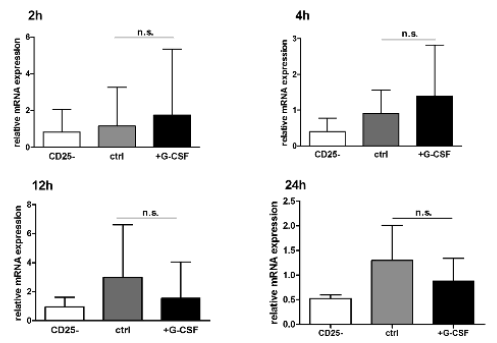
Figure 1. Foxp3 Expression in CD4+CD25- T Cells Stimulated With G-CSF In Vitro
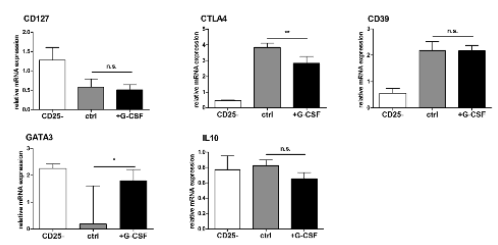
Figure 2. Characterization of In Vitro G-CSF Stimulated CD4+CD25- T Cells
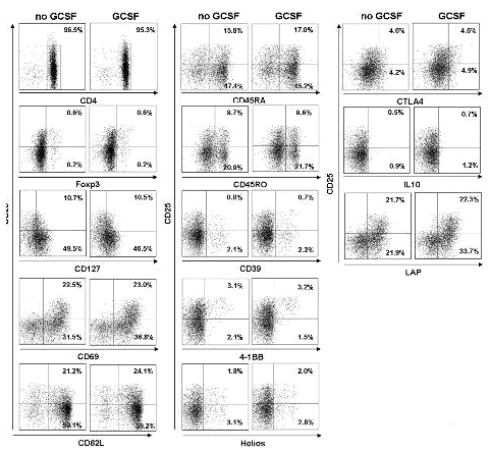
Figure 3. Phenotype of In Vitro G-CSF Stimulated CD4+CD25- T Cells
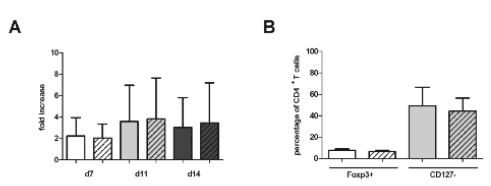
Figure 4. Long-term Culture of In Vitro G-CSF Stimulated CD4+CD25- T Cells
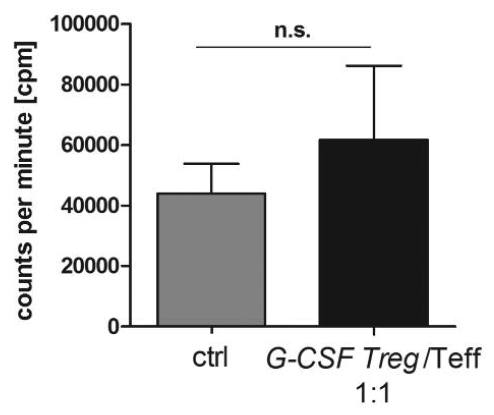
Figure 5. Suppressive Function of In Vitro G-CSF Stimulated CD4+CD25- T Cells