Volume: 11 Issue: 2 April 2013
FULL TEXT
Objectives: Organ donation after cardiac death remains an available resource to meet the demand for transplant. However, concern persists that outcomes associated with donation after cardiac death liver allografts are not equivalent to those obtained with organ donation after brain death. The aim of this matched case control study was to determine if outcomes of liver transplants with donation after cardiac death donors is equivalent to outcomes with donation after brain death donors by controlling for careful donor and recipient selection, surgical technique, and preservation solution.
Materials and Methods: A retrospective, matched case control study of adult liver transplant recipients at the University of Tennessee/Methodist University Hospital Transplant Institute, Memphis, Tennessee was performed. Thirty-eight donation after cardiac death recipients were matched 1:2, with 76 donation after brain death recipients by recipient age, recipient laboratory Model for End Stage Liver Disease score, and donor age to form the 2 groups. A comprehensive approach that controlled for careful donor and recipient matching, surgical technique, and preservation solution was used to minimize warm ischemia time, cold ischemia time, and ischemia-reperfusion injury.
Results: Patient and graft survival rates were similar in both groups at 1 and 3 years (P = .444 and P = .295). There was no statistically significant difference in primary nonfunction, vascular complications, or biliary complications. In particular, there was no statistically significant difference in ischemic-type diffuse intrahepatic strictures (P = .107).
Conclusions: These findings provide further evidence that excellent patient and graft survival rates expected with liver transplants using organ donation after brain death donors can be achieved with organ donation after cardiac death donors without statistically higher rates of morbidity or mortality when a comprehensive approach that controls for careful donor and recipient matching, surgical technique, and preservation solution is used.
Key words : Complications, Deceased donor organs, Donor-recipient matching, Organ preservation, Orthotopic liver transplant, Survival analysis
Introduction
The demand for liver allografts for transplant continues to exceed the supply throughout the world. Removals from waiting list and deaths on waiting list have been 16% to 18% during the past decade in the United States.1 Despite previously successful efforts to increase organ donation from deceased donors, which peaked in 2006, by 2008 there was a reported decrease of 4.9%.2 The greatest contribution over the last decade to the increase in organ donation has been from donation after cardiac death (DCD). However, since a peak in 2007, there also has been a decrease in these donors of 8%.2
The use of DCD liver allografts has been tempered by studies reporting increased biliary complications and inferior graft survival compared with those obtained from donation after brain death (DBD).3-7 The pathophysiological basis of biliary complications and graft failure likely involves the dynamics among the donor warm ischemia time during the dying process and procurement, cellular integrity during cold preservation, and stress produced by reperfusion. Recommendations to manipulate these dynamics have included donor management with vasodilators, limits to warm and cold ischemia times, tissue plasminogen activator, and the use of lower viscosity preservation solutions like histamine-tryptophan-ketoglutarate (HTK) solution.8-11 Despite the series of studies finding poorer outcomes with DCD as compared with DBD donors, several single-center studies have demonstrated that similar results can be achieved in recipients regardless of the donor source.12-14 If concerns regarding DCD donors can be resolved, they could remain a resource to help address the growing demand for liver allografts. The aim of this study was to provide additional evidence that outcomes of orthotopic liver transplant (OLT) with DCD donors can be equivalent to outcomes with DBD donors by using a comprehensive approach that controls for careful donor and recipient matching, warm and cold ischemia times, surgical technique, and preservation solution.
Materials and Methods
There were 686 adult liver transplants performed at our center between January 1, 2006, and December 31, 2011. A retrospective review was performed with Institutional Review Board approval from the University of Tennessee to identify recipients of DCD liver allografts. This research was performed in accord with the ethical standards of The Helsinki Declaration as well as The Declaration of Istanbul on Organ Trafficking and Transplant Tourism. Thirty-eight patients with DCD donors were identified as the study group.
The DCD recipients were compared to matched case controls that received liver allografts from DBD. Two controls were selected in a random fashion after they were matched by recipient age (± 5 years), Model for End-Stage Liver Disease (MELD) score (± 3), and donor age (± 5 years). These parameters were previously identified as risk factors for patient and graft survival.15,16 Because retransplant recipients, multiorgan recipients and recipients listed as Status 1A are excluded from our DCD protocol, similar exclusions were used in the case-control group. Seventy-six DBD recipients as controls were matched from 584 DBD recipients to the study group. All patients used in this analysis had at least 1 year of follow-up since their primary liver transplant.
A comprehensive approach controlling for careful donor and recipient matching, surgical technique, and preservation solution was used to address the dynamics of warm ischemia time (WIT), cold preservation, and reperfusion injury that contribute to the biliary complications and graft failure in DCD donors. The goal of this comprehensive approach was to minimize WIT, cold ischemia time (CIT), and reperfusion injury.
Decision-making regarding the potential use of all donors is individualized. However, the potential use of DCD donors is more critically assessed with regard to donor age, location, serologies, and probability of timely death, primarily by assessing respiratory effort and the need for vasopressors. General selection criteria used by our center for DBD and DCD donors are shown in Table 1. Some deviation from these criteria does occur because of other donor or recipient characteristics.
The DBD donor operations were performed using the rapid recovery technique as described elsewhere.17 The DCD donor operations were controlled situations with cardiac arrest anticipated after removing ventilator and organ perfusion support. To reduce WIT, all but 1 of the DCD allograft procurements were performed by attending transplant surgeons from our center, using a protocol in line with Institute of Medicine recommendations.18 The transplant team did not participate in the clinical management of the donor. Heparin was administered just before discontinuing ventilator and organ perfusion support. Cardiac arrest was awaited, confirmed, and declared by the attending physician of the admitting institution. After cardiac arrest and declaration of death, 5 minutes were observed in the event of reanimation of the heart, after which organ procurement was performed rapidly through a midline incision. The distal aorta was exposed, cannulated, and perfused with preservation solution. Ice slush was placed on the abdominal organs for surface cooling.
A median sternotomy was performed, and the right atrium was opened for venous drainage into the chest cavity. A cross-clamp was placed on the descending thoracic aorta at the diaphragm. The inferior mesenteric vein was identified near the ligament of Treitz, cannulated, and perfused with preservation solution. The gallbladder was opened and drained, the common bile duct was divided, and the biliary system was flushed with cold preservation solution. The liver was removed with care to preserve its vascular structures and packed in preservation solution for transport to the transplant center. Donor WIT was recorded as the time from cessation of mechanical ventilation and organ perfusion support to aortic perfusion, and true WIT was recorded as the time from systolic blood pressure < 80 mm Hg or oxygen saturation < 80% to aortic perfusion. Time from asystole to aortic perfusion also was recorded.
Preservation of liver allografts was preferentially accomplished with HTK. However, University of Wisconsin (UW) solution was used when requested by another operating or organ-accepting team, when use of HTK would limit placement of the organs from the donor, or when the organ procurement organization coordinating the recovery did not have HTK available.
The recipient operation was an OLT by standard technique without venovenous bypass as previously described.19 By coordinating the times for donor and recipient operations and careful selection of recipients, CIT could be minimized. Whenever possible, lower-risk, well-compensated recipients were chosen for transplant with DCD liver allografts. In general, these recipients did not have previous upper abdominal operations, were not morbidly obese, and had calculated MELD scores ≤ 20. Cold ischemia time was defined as the time from the initiation of aortic perfusion with preservation solution to initiation of the first anastomosis. Anastomotic time was defined as the time from the initiation of the first anastomosis to reperfusion of the liver allograft with recipient blood.
Both DCD and DBD recipients received immunosuppression with steroid-free antithymocyte globulin induction followed by tacrolimus.20,21 Primary sirolimus was used when serum creatinine remained > 177 μmol/L by day 7 after the transplant. Mycophenolate mofetil was used for the first 3 months after transplant.
Donor and recipient charts for both DCD and DBD groups were reviewed to obtain demographic data, laboratory values, and ischemic times. Transplant-related outcomes were reviewed and included patient mortality, allograft survival, vascular complications, and biliary complications. Subanalyses were performed with stratification for preservation solution used at the time of organ recovery. Categorical data was compared with Pearson chi-square test or Fisher exact test where appropriate. Continuous variables were compared as means using the t test or the Mann-Whitney U test where appropriate. Patient and graft survival rates were estimated using Kaplan-Meier curves with comparison by log-rank test. Statistical significance was set a priori at P < .05. Statistical analyses were done with SPSS software (SPSS: An IBM Company, version 20.0, IBM Corporation, Armonk, NY, USA).
Results
Characteristics of the donors and allografts for both groups are presented in Table 2. According to study design, the mean donor age was similar for both groups. In addition, the study group and control group also were similar regarding body mass index (BMI), sex, race, preservation solution, and peak serum laboratory values alanine transferase, aspartate transferase, alkaline phosphatase, and gamma-glutamyl transferase. The mean peak serum total bilirubin and mean peak serum sodium were lower in the DCD donors compared with DBD donors; however, this difference had little clinical bearing because both values were in the normal physiologic range.
For DCD donors, the mean WIT was 21 ± 8 minutes (range, 7-44 min), and the mean true WIT was 15 ± 6 minutes (range, 7-30 min). The mean asystole-to-flush time was 6 ± 3 minutes (range, 5-14 min). The mean CIT and mean anastomotic times were similar between the DCD and DBD allografts (289 ± 97 vs 280 ± 111 min; P = .696, and 33 ± 8 vs 35 ± 10 min; P = .358).
Recipient matching yielded similar groups for age-calculated and lab-calculated MELD scores. The 2 study groups also were similar for BMI, sex, race, packed red blood cell units during the transplant procedure, length of stay, and days in the intensive care unit (Table 3). The percentage of recipients listed with a MELD score exception upgrade was significantly lower for DCD compared with DBD donor recipients (13% vs 32%; P = .041).
Table 4 presents mean posttransplant serum laboratory values for both groups. The DCD group had higher mean peak serum alanine transferase and aspartate transferase levels in the first week after transplant than did the DBD group (21.21 ± 17.75 vs 13.46 ± 11.99 μkat/L; P = .007, and 65.81 ± 65.01 vs 35.17 ± 37.19 μkat/L; P = .002). Otherwise, mean peak serum laboratory values during the first week after transplant were similar for alkaline phosphatase and total bilirubin. Similarly, no statistical difference was found for mean serum total bilirubin at 7 days, 30 days, and 1 year after the transplant.
Using the Kaplan-Meier analysis to estimate the overall patient survival rates with a median patient follow-up of 1439 days (range, 3-2376 d), we found the 1-year and 3-year patient survival rates for the 38 DCD recipients were 92% and 80%. The causes of death for the DCD recipients were primary nonfunction at 11 days, respiratory arrest at 51 days, anoxic brain injury at 76 days, cardiac arrest at 546 days, acetaminophen toxicity at 611 days, unknown cause (probable cardiac arrest) at 758 days, recurrent hepatocellular carcinoma at 891 days, and graft failure from chronic rejection at 946 days. The matched DBD recipient group had 1-year and 3-year patient survival rates of 92% and 86%. The causes of death for the matched DBD recipients were 3 sepsis, 3 recurrent hepatocellular carcinoma, primary nonfunction, cardiac arrest, renal failure, and graft failure from hepatitis C virus.
According to Kaplan-Meier estimates of graft survival, the 1-year and 3-year graft survival rates for the 38 DCD recipients were 92% and 74%, and the matched DBD group had 1-year and 3-year graft survival rates of 91% and 85%. Graft losses were primarily due to the deaths of the patients in both groups. There was 1 retransplant in a DCD recipient at 1158 days owing to graft failure from ischemic-type diffuse intrahepatic strictures. Log-rank test demonstrated statistically similar patient and graft survival rates between the 2 groups (P = .295 and P = .444).
There was no statistical difference between the DCD and matched DBD recipient groups regarding primary nonfunction, vascular complications, or biliary complications (Table 5). Five DCD donor recipients experienced vascular complications, which were suspected because of the abnormal results identified by Doppler ultrasound, which then were confirmed by angiography. Some recipients had more than 1 complication. One vena cava thrombosis was identified that had no effect on graft function or survival. Four hepatic artery stenoses were found in the DCD group (10.5%), but this was not statistically different from the DBD group (6.6%). All 4 hepatic artery stenoses were treated with balloon angioplasty with good results. Two patients developed liver allograft dysfunction, and 2 patients have normally functioning grafts. There were no portal vein stenoses or thromboses and no hepatic artery thromboses in the DCD group.
Overall biliary complication rates showed a trend toward being higher for recipients of DCD donors (18.4%) compared with recipients for DBD donors (9.2%). Biliary complications were suspected by abnormal serum laboratory values and confirmed by cholangiography. There were 7 recipients of DCD donors with biliary complications, some of which had more than 1 complication. There was 1 biliary leak (2.6%), which occurred at the biliary anastomosis and required reoperation during the first week to create a hepaticojejunostomy. There were no biliary necroses or abscesses in the DCD group. Biliary sludge or stones (7.9% vs 1.3%), anastomotic strictures (18.4% vs 9.2%), and ischemic-type diffuse intrahepatic biliary strictures (IHBS) (7.9% vs 1.3%) occurred more commonly, but not significantly, in recipients of DCD donors than they did in the matched recipients for DBD donors. Intrahepatic biliary strictures were identified at 190, 256, and 298 days in the DCD recipients and at 246 days in the DBD recipient.
After stratification of both donor groups for either HTK or UW solution for preservation of the liver allografts, recipients of DBD donors had 45 donors preserved with HTK and 31 donors preserved with UW, and recipients of DCD donors had 23 donors preserved with HTK and 15 donors preserved with UW. Using the matched recipients of DBD donors preserved with UW as the reference, 1-year and 3-year patient and graft survival rates were similar in recipients of DBD donors and DCD donors preserved with HTK. However, allografts preserved with UW showed a trend toward significantly worse patient and graft survival at 1 and 3 years, particularly in the DCD group. These data are shown in Table 6.
Discussion
As liver transplant has gained acceptance as the standard treatment for end-stage liver disease, the demand for suitable donors has steadily increased. Over the past 2 decades, strategies have included split-liver transplant, living-donor liver transplant, and expanded use of deceased donors for transplant. In the United States, significant increases in the number of donors and number of organ transplants have occurred over the past decade as a result of Health and Human Resources Administration initiatives.22,23 However, this trend recently has shown a decline in all donor groups for liver allografts. A 9.8% decrease in the number of DCD livers transplanted between 2007 and 2008 is a major contributor to the overall decline in livers available for transplant and results from reduced donor consents, recoveries, and an 1.4% increase in the number of discarded DCD livers.24
The declining use of DCD liver allografts has followed concern for increased biliary complications and inferior long-term graft and patient survival in the recipients of these organs compared with DBD allografts. Abt and associates were the first to report the increased incidence of biliary complications in one-third of their recipients of DCD liver allografts. The majority of these complications were intrahepatic biliary strictures.25 These findings were confirmed by other studies that also showed decreased graft and patient survival. However, subsequent evaluation indicated that the biliary complications were not implicated in many of these graft failures or patient deaths.4,6,7
In our study, by using careful donor and recipient selection, expedited operative procedures to limit WIT and CIT, and using HTK preservation when possible, we demonstrated that results can be achieved in recipients of DCD donors, which were comparable to those of a matched cohort of recipients with DBD donors. Previously reported experiences with DCD liver allografts had 1-year patient and graft survival rates at 62% to 92% and 55% to 87%, and 3-year patient and graft survival rates at 68% to 90% and 56% to 69%. Many of these groups showed poorer graft and/or patient survival when compared with recipients of DBD donors.3,4,9,12,13,25-28
A comprehensive approach allows our center to control for factors like donor age, WIT, CIT, asystole-to-flush time, and preservation solution that previously have been shown to contribute to IHBS.3,4,10,26,29-31 Each DCD donor offered to our center is critically assessed regarding donor age, location, serologies, and probability of timely death, by assessing respiratory effort and the need for vasopressors. Once we determine that there is high likelihood of the donor progressing to a rapid death (generally ≤ 45 min), travel distance and time are evaluated. Using small jets for transportation, our center has CIT close to 5 hours for most liver allografts regardless of allocation locally, regionally, or nationally. Through careful donor selection, DCD donors also have a relatively short WIT from withdrawal of interventions at 21 minutes and with the agonal period at 15 minutes. Additionally, our center always has considered the period of circulatory arrest to be important, and this time from asystole to flush, which includes the a mandatory 5-minute wait, recently has been shown to predict development of IHBS.31 To maintain control over these variables, it is crucial to send an experienced transplant surgeon in DCD procurement, and it has become our center’s policy that procurement of all DCD liver allografts is performed by a surgeon from our center.
The DCD donors also have more stringent acceptance criteria, particularly for age. The mean age of our DCD donor group was 33 years, while the mean age for all donors at our center was 41 years. It is noteworthy that older donors have been used if other factors were favorable, with the age range for DCD donors between 9 and 60 years.
Recipient characteristics were significantly different for only the percentage having an upgrade of MELD score by exceptions for hepatocellular carcinoma or other conditions. The lower percentage for the DCD group reflects the policy of our center to place functionally higher-risk livers, such as DCD allografts, into lower-risk, well-compensated recipients when possible. These recipients are chosen to limit any physiologic stress to the allograft in the perioperative and immediate postoperative period that may result from the instability of a patient with a higher MELD score. Additionally, with regard to recipient selection, our center avoids patients with previous abdominal operations and morbid obesity as recipients for DCD allografts. These selection criteria are used to limit CIT on the allograft by avoiding a prolonged dissection during the hepatectomy phase or difficulty with exposure during the transplant procedure. Despite this approach, it is evident that DCD allografts are more stressed by the significantly higher mean peak serum alanine transferase and aspartate transferase from the ischemia of the cardiac death process compared with the matched cohort of DBD recipients.
The UNOS database analysis by Abt and associates shows that placing a DCD liver allograft into recipients on life support was a predictor of early graft failure.9 Other registry analyses also found that need for life support, recipient hospitalization, status 1 listing, history of previous transplant, elevated creatinine level, and need for dialysis before OLT were poor predictors of graft outcome.29,32 In fact, consistent with our approach, Mateo and associates suggest an algorithm based on recipient risk factors to guide the use of DCD liver allografts.10 Additionally, recipient characteristics in these analyses suggest that nationally the practice is to place DCD liver allografts into physiologically stable recipients.
The practice of matching higher-risk liver allografts to appropriate lower-risk recipients is not limited to DCD donors. Segev and associates reported their results for matching elderly liver donors to preferred recipients and could achieve significantly better outcomes.33 The UCLA group defined an extended criteria donor score to aid matching higher-risk liver allografts to lower-acuity patients.34 Many retrospective, single-center studies of DCD liver allograft outcomes also suggest the use of this practice.3,4,12,26
In contrast, 1 study argued that higher risk patients on life support or with MELD scores > 30 transplanted with DCD donors have a greater survival benefit than lower risk patients. This conclusion is based upon similar survival rates when compared with higher risk patients transplanted with DBD donors. However, analysis of the DCD cohort alone showed that lower risk patients still had better graft survival when compared with the higher risk recipients of DCD allografts.5 Additionally, another study showed that the use of higher donor risk index liver allografts, such as DCD allografts, in lower MELD recipients led to significantly higher mortality. This finding is limited to calculated MELD ≤ 14, particularly calculated MELD ≤ 11. Regardless of donor risk index, recipients with MELD ≥ 15 had a survival benefit.35 Taking these findings into consideration, our center’s practice of careful donor and recipient selection uses DCD allografts in lower risk, physiologically stable patients that derive a survival benefit, but as reflected in the lower ratio of malignancy exceptions (which frequently are in patients with calculated MELD ≤ 11) in recipients of DCD allografts, we avoid the use in the lowest MELD patients that remain stable enough to wait for a lower donor risk index liver allograft.
Previous studies of DCD outcomes have reported primary nonfunction rates at 0% to 5%.4,6,7,12,26,27 There was 1 primary nonfunction in our study among the recipients of DCD donors, which led to death before retransplant. The recipient’s morbid obesity made OLT difficult and contributed to a prolonged operative time. Cardiac and pulmonary complications during the perioperative period also were related to the recipient’s advanced age. Additionally, the DCD liver allograft was obtained by a surgeon from a different center and had an extended CIT of 578 minutes. Because of medical urgency and compelling clinical circumstances, deviation from our careful donor and recipient selection occurred for this patient. The unfortunate outcome only reinforced our belief that while DCD donors can be successfully used, it is crucial that we continue to carefully choose proper donors and recipients and maintain other controllable factors.
Vascular complications in the DCD group were 10.5%, which are comparable to rates of 5% to 20% reported in previous studies.4,6,7,12,26,27 Biliary complications, which have been the Achilles’ heel of DCD donor liver allograft use, showed a trend to be more common for DCD recipients. However, IHBS, which are the complication of greatest concern because of their effects on patient and graft survival rates, were not statistically more common in recipients of DCD donors versus the matched recipients of DBD donors (7.9% and 1.3%; P = .107). This finding is consistent with most of the other series where the IHBS rates were 4% to 67%.3-7,25-28,36 Despite the trend toward higher IHBS found in our DCD donor recipients, patient and graft survival rates remained comparable to those seen in the matched DBD donor recipients. Additionally, both groups had normal and similar mean serum total bilirubin levels at 1 year posttransplant.
Identified risk factors for developing IHBS in previous studies included donor age greater than 40 years, cold ischemia time greater than 7 hours, and increased warm ischemia times less than 30 minutes.3,4,10,26,29-31 The comprehensive approach adopted at our center attempts to control as many of these factors as possible while expanding the available liver allografts transplanted.
Looking at both vascular and biliary complications together, hepatic artery stenoses occurred concurrently with IHBS in 2 patients in our DCD group who died. It is therefore difficult to determine whether the ischemia leading to the IHBS should be attributed to the donor process and reperfusion, or to the ischemia resulting from an under-perfused graft. Additionally, 1 of these patients had cardiac arrest within 2 weeks of OLT, which also contributed an ischemic period to the liver allograft. This patient died 546 days after the OLT from cardiac arrest with a functioning graft. The other patient who died from hepatic failure at 946 days also had a severe rejection episode approximately 2 years after the OLT, which heralded the onset of the allograft decompensation. It is difficult to determine whether this allograft would have remained stable had this severe acute rejection that lead to chronic rejection not occurred.
A third patient with concurrent hepatic artery stenoses and IHBS had allograft failure and had a second OLT 3 years later. The cholangiopathy had a course complicated by several admissions for cholangitis and required multiple biliary procedures. Analysis of graft loss in the DCD recipients using registry data showed that the period of divergence and convergence of the survival curves occurs between 20 and 180 days after the OLT.32 Similar findings have been reported from a single-center study on the course from OLT to retransplant.3 None of our 3 late graft losses followed this history. It is possible that other factors contributed to the complications encountered, such as the ischemia from hepatic artery stenoses, cardiac arrest, or severe acute rejection leading to chronic rejection.
Interestingly, graft complications and associated patient deaths occurred in the earliest patients in our experience. It is therefore conceivable that as our center’s experience increased, our approach was refined and outcomes improved. These improved outcomes have continued with more recent patients not included in this current analysis owing to their short follow-up. It is also noteworthy that most of the graft losses in recipients of DCD donors were not due to graft-related complications but to other disease processes such acetaminophen toxicity, recurrent hepatocellular carcinoma, or cardiovascular disease.The increased pain and financial effects associated with IHBS contribute to the reluctance to use DCD liver allografts.37 The pathophysiology responsible for IHBS has been suggested as being an interplay among the warm ischemia of the donor process, the biology of cold preservation, and the assault of reperfusion. This resulting ischemic injury leads to poor wound healing in the form of progressive fibrosis with the formation of biliary strictures.6 Alternative preservation solutions also have been suggested as a modifiable variable to improve DCD outcomes.11 Histidine-tryptophan-ketoglutarate has been used increasingly during the past decade, although UW solution remains the standard abdominal organ preservation solution for transplant.24 Because HTK has a lower viscosity that allows better perfusion of the hepatic microcirculation, it is believed to decrease aggregation and improve elimination of blood cells, hypothetically leading to better preservation of the biliary tree and reduced complications.37 Several studies support this hypothesis by demonstrating equivalent graft survival, and similar, or even lower, biliary complications.39-43
We performed a subgroup analysis to evaluate what effect preservation solution had on graft and patient survival for recipients of DCD or matched recipients of DBD donors. When DCD donors were preserved with HTK, recipient survival tended to be better when compared with recipients of DBD donors preserved with either HTK or UW. These anecdotal findings were not powered sufficiently to find statistical significance but may provide some degree of support for the proposed mechanism by which alterations to the microcirculation occur during DCD allograft procurement and subsequently, to methods by which this damage can be averted. Both Chan and associates and de Vera and associates also showed no effect from preservation solution in their studies.5,36
Additionally, since the recommendation for HTK relates to its possible positive effect on biliary complications, we also compared the 31 recipients of DBD donors in the matched cohort preserved with HTK, to the 23 recipients of DCD donors preserved with HTK. Overall biliary complications, biliary leak, biliary necrosis, extrahepatic biliary strictures, intrahepatic biliary strictures, and biliary debris were similar. Although this lacks power for drawing conclusions with statistical significance, this anecdotal finding may relate to a positive effect of HTK on biliary complications.
The limitations of the current study are those limitations inherent to any retrospective, single-center study. Donor selection criteria and recipient selection criteria, although integral to the study design, are center-specific and introduce bias that may limit applicability of these results to other centers. On the other hand, single-center analyses do provide some clarity to certain variables by permitting observations with consistent donor and recipient selection, operative experience, and postoperative management, or by identifying and testing variables not available in registries. Additionally, small samples, particularly in subgroup analyses, have limited statistical power but permit meaningful observations that can be used to develop future areas of investigation. However, given the infeasibility of randomized, multicenter trials to comparatively study different donor types, replication through a series of center-specific studies, and subsequent metaanalyses, may afford the best alternative to building the knowledge that defines the best use of DCD liver donors. Collectively, findings from these studies could then enable development of procedures that could help limit the number of potentially transplantable organs, which are discarded in these times of greater demand.
In conclusion, at our center, we found that the excellent patient and graft outcomes expected from DBD donors also can be achieved with DCD donors. Additionally, recipients of DCD donors had similar rates of primary nonfunction, vascular complications, and biliary complication when compared with a matched cohort of DBD recipients. Intrahepatic biliary strictures, which are the true concern when using DCD liver allografts, were not statistically more common, and there was no statistical difference in patient or graft survival rates. These outcomes can be achieved with appropriate recipient and donor selection, which includes stable, lower-risk recipients with DCD liver allografts that had limited the WIT and the CIT. Moreover, even though a recent registry analysis seems to indicate otherwise, these outcomes may be augmented by using HTK as the preservation solution of the liver allograft.44
References:
- Thuluvath PJ, Guidinger MK, Fung JJ, Johnson LB, Rayhill SC, Pelletier
SJ. Liver transplantation in the United States, 1999-2008. Am J Transplant.
2010;10(4 Pt 2):1003-1019.
CrossRef - PubMed - Renz JF. A critical analysis of liver allograft utilization from the US
deceased donor pool. Liver Transpl. 2010;16(5):543-547.
CrossRef - PubMed - Skaro AI, Jay CL, Baker TB, et al. The impact of ischemic cholangiopathy
in liver transplantation using donors after cardiac death: the untold story.
Surgery. 2009;146(4):543-552; discussion 552-553.
CrossRef - PubMed - Pine JK, Aldouri A, Young AL, et al. Liver transplantation following
donation after cardiac death: an analysis using matched pairs. Liver
Transpl. 2009;15(9):1072-1082.
CrossRef - PubMed - de Vera ME, Lopez-Solis R, Dvorchik I, et al. Liver transplantation
using donation after cardiac death donors: long-term follow-up from a single
center. Am J Transplant. 2009;9(4):773-781.
CrossRef - PubMed - Maheshwari A, Maley W, Li Z, Thuluvath PJ. Biliary complications and
outcomes of liver transplantation from donors after cardiac death. Liver
Transpl. 2007;13(12):1645-1653.
CrossRef - PubMed - Foley DP, Fernandez LA, Leverson G, et al. Donation after cardiac death:
the University of Wisconsin experience with liver transplantation. Ann Surg.
2005;242(5):724-731.
CrossRef - PubMed - D'Alessandro AM, Fernandez LA, Chin LT, et al. Donation after cardiac
death: the University of Wisconsin experience. Ann Transplant.
2004;9(1):68-71.
PubMed - Abt PL, Desai NM, Crawford MD, et al. Survival following liver
transplantation from non-heart-beating donors. Ann Surg. 2004;239(1):87-92.
CrossRef - PubMed - Mateo R, Cho Y, Singh G, et al. Risk factors for graft survival after
liver transplantation from donation after cardiac death donors: an analysis
of OPTN/UNOS data. Am J Transplant. 2006;6(4):791-796.
CrossRef - PubMed - Fung JJ, Eghtesad B, Patel-Tom K. Using livers from donation after
cardiac death donors--a proposal to protect the true Achilles heel. Liver
Transpl. 2007;13(12):1633-1636.
CrossRef - PubMed - Nguyen JH, Bonatti H, Dickson RC, et al. Long-term outcomes of donation
after cardiac death liver allografts from a single center. Clin Transplant.
2009;23(2):168-173.
CrossRef - PubMed - Fujita S, Mizuno S, Fujikawa T, et al. Liver transplantation from
donation after cardiac death: a single center experience. Transplantation.
2007;84(1):46-49.
CrossRef - PubMed - Manzarbeitia CY, Ortiz JA, Jeon H, et al. Long-term outcome of
controlled, non-heart-beating donor liver transplantation. Transplantation.
2004;78(2):211-215.
CrossRef - PubMed - Ohe H, Hoshino J, Ozawa M. Factors affecting outcomes of liver
transplantation: an analysis of OPTN/UNOS database. Clin Transpl.
2011:39-53.
PubMed - Feng S, Goodrich NP, Bragg-Gresham JL, et al. Characteristics associated
with liver graft failure: the concept of a donor risk index. Am J
Transplant. 2006;6(4):783-790.
CrossRef - PubMed - Starzl TE, Miller C, Broznick B, Makowka L. An improved technique for
multiple organ harvesting. Surg Gynecol Obstet. 1987;165(4):343-348.
PubMed - Committee on Non-Heart-Beating Transplantation II: The Scientific and Ethical Basis for Practice and Protocols, Division of Health Care Services, Institute of Medicine. Non-heart Beating Organ Transplantation: Practice and Protocols. Washington, DC: National Academy Press; 2000:38-55.
- Starzl TE, Marchioro TL, Vonkaulla KN, Hermann G, Brittain RS, Waddell
WR. Homotransplantation of the liver in humans. Surg Gynecol Obstet.
1963;117:659-676.
PubMed - Eason JD, Loss GE, Blazek J, Nair S, Mason AL. Steroid-free liver
transplantation using rabbit antithymocyte globulin induction: results of a
prospective randomized trial. Liver Transpl. 2001;7(8):693-697.
CrossRef - PubMed - Eason JD, Nair S, Cohen AJ, Blazek JL, Loss GE Jr. Steroid-free liver
transplantation using rabbit antithymocyte globulin and early tacrolimus
monotherapy. Transplantation. 2003;75(8):1396-1399.
CrossRef - PubMed - Marks WH, Wagner D, Pearson TC, et al. Organ donation and utilization,
1995-2004: entering the collaborative era. Am J Transplant. 2006;6(5 Pt
2):1101-1110.
CrossRef - PubMed - Punch JD, Hayes DH, LaPorte FB, McBride V, Seely MS. Organ donation and
utilization in the United States, 1996-2005. Am J Transplant. 2007;7(5 Pt
2):1327-1338.
CrossRef - PubMed h - Klein AS, Messersmith EE, Ratner LE, Kochik R, Baliga PK, Ojo AO. Organ
donation and utilization in the United States, 1999-2008. Am J Transplant.
2010;10(4 Pt 2):973-986.
CrossRef - PubMed - Abt P, Crawford M, Desai N, Markmann J, Olthoff K, Shaked A. Liver
transplantation from controlled non-heart-beating donors: an increased
incidence of biliary complications. Transplantation. 2003;75(10):1659-1663.
CrossRef - PubMed - Yamamoto S, Wilczek HE, Duraj FF, Groth CG, Ericzon BG. Liver
transplantation with grafts from controlled donors after cardiac death: a
20-year follow-up at a single center. Am J Transplant. 2010;10(3):602-611.
CrossRef - PubMed - Grewal HP, Willingham DL, Nguyen J, et al. Liver transplantation using
controlled donation after cardiac death donors: an analysis of a large
single-center experience. Liver Transpl. 2009;15(9):1028-1035.
CrossRef - PubMed - Muiesan P, Girlanda R, Jassem W, et al. Single-center experience with
liver transplantation from controlled non-heartbeating donors: a viable
source of grafts. Ann Surg. 2005;242(5):732-738.
CrossRef - PubMed - Lee KW, Simpkins CE, Montgomery RA, Locke JE, Segev DL, Maley WR.
Factors affecting graft survival after liver transplantation from donation
after cardiac death donors. Transplantation. 2006;82(12):1683-1688. Erratum
in: Transplantation. 2007;83(4):521.
CrossRef - PubMed - Foley DP, Fernandez LA, Leverson G, et al. Biliary complications after
liver transplantation from donation after cardiac death donors: an analysis
of risk factors and long-term outcomes from a single center. Ann Surg.
2011;253(4):817-825.
CrossRef - PubMed - Taner CB, Bulatao IG, Perry DK, et al. Asystole to cross-clamp period
predicts development of biliary complications in liver transplantation using
donation after cardiac death donors. Transpl Int. 2012;25(8):838-846. doi:
10.1111/j.1432-2277.2012.01508.x.
CrossRef - PubMed - Selck FW, Grossman EB, Ratner LE, Renz JF. Utilization, outcomes, and
retransplantation of liver allografts from donation after cardiac death:
implications for further expansion of the deceased-donor pool. Ann Surg.
2008;248(4):599-607.
CrossRef - PubMed - Segev DL, Maley WR, Simpkins CE, et al. Minimizing risk associated with
elderly liver donors by matching to preferred recipients. Hepatology.
2007;46(6):1907-1918.
CrossRef - PubMed - Cameron AM, Ghobrial RM, Yersiz H, et al. Optimal utilization of donor
grafts with extended criteria: a single-center experience in over 1000 liver
transplants. Ann Surg. 2006;243(6):748-753; discussion 753-755.
CrossRef - PubMed - Schaubel DE, Sima CS, Goodrich NP, Feng S, Merion RM. The survival
benefit of deceased donor liver transplantation as a function of candidate
disease severity and donor quality. Am J Transplant. 2008;8(2):419-425.
CrossRef - PubMed - Chan EY, Olson LC, Kisthard JA, et al. Ischemic cholangiopathy following
liver transplantation from donation after cardiac death donors. Liver
Transpl. 2008;14(5):604-610.
CrossRef - PubMed - Jay CL, Lyuksemburg V, Kang R, et al. The increased costs of donation
after cardiac death liver transplantation: caveat emptor. Ann Surg.
2010;251(4):743-748.
CrossRef - PubMed - Feng XN, Xu X, Zheng SS. Current status and perspective of liver
preservation solutions. Hepatobiliary Pancreat Dis Int. 2006;5(4):490-494.
PubMed - Erhard J, Lange R, Scherer R, et al. Comparison of
histidine-tryptophan-ketoglutarate (HTK) solution versus University of
Wisconsin (UW) solution for organ preservation in human liver
transplantation. A prospective, randomized study. Transpl Int.
1994;7(3):177-181.
CrossRef - PubMed - Mangus RS, Tector AJ, Agarwal A, Vianna R, Murdock P, Fridell JA.
Comparison of histidine-tryptophan-ketoglutarate solution (HTK) and
University of Wisconsin solution (UW) in adult liver transplantation. Liver
Transpl. 2006;12(2):226-230.
CrossRef - PubMed - Rayya F, Harms J, Martin AP, Bartels M, Hauss J, Fangmann J. Comparison
of histidine-tryptophan-ketoglutarate solution and University of Wisconsin
solution in adult liver transplantation. Transplant Proc.
2008;40(4):891-894.
CrossRef - PubMed - Welling TH, Heidt DG, Englesbe MJ, et al. Biliary complications
following liver transplantation in the model for end-stage liver disease
era: effect of donor, recipient, and technical factors. Liver Transpl.
2008;14(1):73-80.
CrossRef - PubMed - Heidenhain C, Pratschke J, Puhl G, et al. Incidence of and risk factors
for ischemic-type biliary lesions following orthotopic liver
transplantation. Transpl Int. 2010;23(1):14-22.
CrossRef - PubMed - Stewart ZA, Cameron AM, Singer AL, Montgomery RA, Segev DL.
Histidine-Tryptophan-Ketoglutarate (HTK) is associated with reduced graft
survival in deceased donor livers, especially those donated after cardiac
death. Am J Transplant. 2009;9(2):286-293.
CrossRef - PubMed

Volume : 11
Issue : 2
Pages : 154 - 163
DOI : 10.6002/ect.2012.0173
From the Department of Transplantation, University of Tennessee/Methodist
University Hospital Transplant Institute, Memphis, TN, USA
Acknowledgements: Jason M. Vanatta was responsible for the
concept/design, data analysis/interpretation, drafting the article, critical
revision of the article, approval of the article, statistics, and data
collection; Amanda G. Dean was responsible for concept/design, critical revision
of the article, approval of the article, and data collection; Donna K. Hathaway
was responsible for concept/design, critical revision of the article, and
approval of the article; Satheesh Nair was responsible for concept/design,
critical revision of the article, approval of the article, and calculating the
statistics; Kian A. Modanlou was responsible for concept/design, critical
revision of the article, approval of the article, and data collection; Luis
Campos was responsible for concept/design, critical revision of the article,
approval of the article, and data collection; Nosratollah Nezakatgoo was
responsible for concept/design, critical revision of the article, approval of
the article, and data collection; Sanjaya K. Satapathy was responsible for
concept/design, critical revision of the article, approval of the article, and
calculating the statistics; and James D. Eason was responsible for
concept/design, drafting the article, critical revision of the article, approval
of the article, and data collection. The authors have no conflicts of interest
to disclose related to the research or data presented in this manuscript. There
was no funding for this study.
Corresponding author: Jason M. Vanatta, MD, 1211 Union Avenue, Suite 340,
Memphis, TN, 38104 USA
Phone: +1 901 516 8954
Fax: +1 901 516 8993
E-mail: jvanatta@uthsc.edu
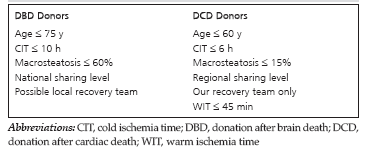 Table 1. General Selection Criteria for DCD and DBD Donors" style="margin-bottom: 10px; cursor: pointer">
Table 1. General Selection Criteria for DCD and DBD Donors
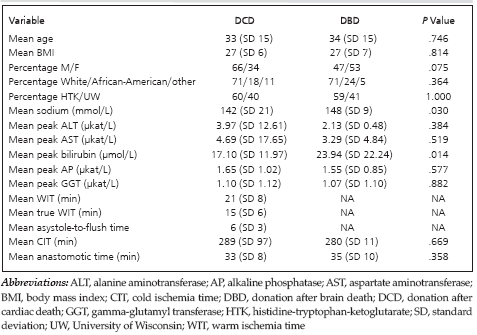 Table 2. Donor and Allograft Characteristics for DCD and DBD Donors" style="margin-bottom: 10px; cursor: pointer">
Table 2. Donor and Allograft Characteristics for DCD and DBD Donors
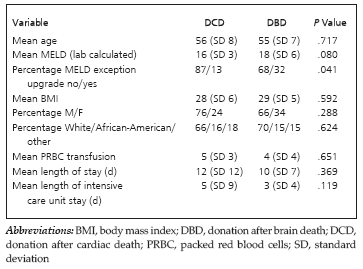 Table 3. Recipient Characteristics for DCD and DBD Donors" style="margin-bottom: 10px; cursor: pointer">
Table 3. Recipient Characteristics for DCD and DBD Donors
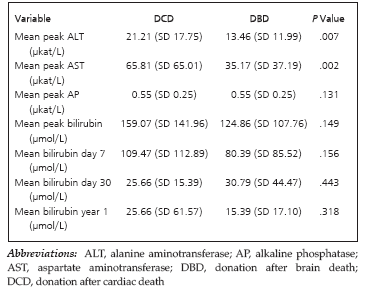 Table 4. Posttransplant Serum Laboratory Values for DCD and DBD Recipients" style="margin-bottom: 10px; cursor: pointer">
Table 4. Posttransplant Serum Laboratory Values for DCD and DBD Recipients
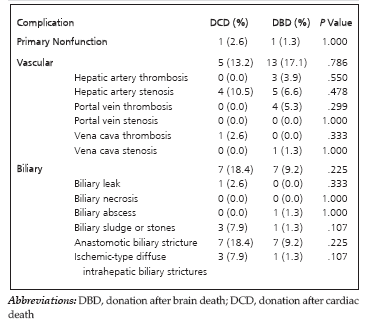 Table 5. Complication Comparison for DCD and DBD Donors" style="margin-bottom: 10px; cursor: pointer">
Table 5. Complication Comparison for DCD and DBD Donors
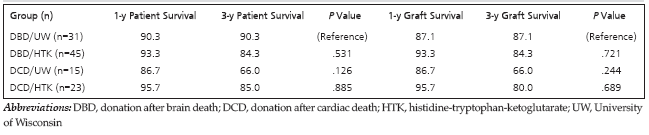 Table 6. Survival Comparison With Stratification for Preservation Solution Used for Liver Allografts" style="margin-bottom: 10px; cursor: pointer">
Table 6. Survival Comparison With Stratification for Preservation Solution Used for Liver Allografts