Volume: 10 Issue: 3 June 2012
FULL TEXT
Objectives: To evaluate the pattern of immunosuppressive drug adverse reactions in adult kidney transplant recipients in Iran
Materials and Methods: Adult kidney transplant outpatients under immunosuppressive therapy were recruited into the study. All adverse drug reactions to immunosuppressants and their relevant clinical and paraclinical characteristics were recorded. Causality assessment was performed by the Naranjo algorithm. The seriousness of adverse drug reactions was determined by the World Health Organization definition. The Schumock and Thornton questionnaire was used to assess the preventability of adverse drug reactions. Statistical analyses were performed.
Results: A total of 1100 adverse drug reactions were detected from 120 kidney transplant recipients. Increased appetite (9.09%) was the adverse reaction reported most frequently. Causality assessment revealed that 1019 adverse drug reactions (92.64%) were possible. Forty adverse drug reactions (3.64%) were identified as serious. Six hundred seventy-one adverse drug reactions (61%) were preventable. Posttransplant duration was significantly correlated with the number of adverse drug reactions (R=0.19; P = .035).
Conclusions: All renal allograft recipients experienced at least 1 immunosuppressant-related adverse reaction. Prolongation of immunosuppressive treatment resulted in an increase in adverse drug reactions.
Key words : Immunosuppressants, Adverse drug reactions, Renal allograft, Engraftment, Iran
End-stage renal disease (ESRD) is the stage 5 chronic kidney disease in which the glomerular filtration rate drops below 15 mL/min.1 The prevalence of ESRD in the United States and the European Union has been reported to be 1500 and 800 per million population, respectively.2 The number of patients with ESRD in the Middle East is estimated to be 100 000.3 According to the Aghighi and associates study, the prevalence and incidence of ESRD in Iran have increased from 238 and 49.9 per million population in 2000 to 357 and 63.8 per million population in 2006.4
Patients with ESRD require renal replacement therapy (dialysis or transplant) to remove uremic toxins and to maintain hemodynamic stability. Transplant is the preferred long-term therapeutic option for most of these patients. The suppression of the recipient’s immune system by immunosuppressive agents has had the most notable effect on patient and graft survival.5 However, immunosuppressants are well known for their various and serious adverse reactions.6 Numerous factors such as calcineurin nephrotoxicity, immunosuppressant-induced hypertension or hyperlipidemia, and noncompliance to immunosuppressive therapy, which might be partially caused by adverse drug reactions (ADRs), participate significantly in chronic allograft nephropathy.7 Furthermore, the results of several studies have demonstrated the significant association between immunosuppressive ADRs and quality of life in kidney transplant recipients.8-10
Owing to undeniable effects on graft survival and quality of life, different aspects of immunosuppressive ADRs in kidney transplant have been the subject of numerous studies. However, all immunosuppressive-related adverse reactions in patients who underwent renal transplant were not considered simultaneously in most-relevant drug safety investigations. The purpose of the current survey was to evaluate the pattern of immunosuppressive ADRs in Iranian adult kidney transplant recipients.
Materials and Methods
During a 6-month period in 2007, a cross-sectional study was conducted on adult kidney transplant patients (≥ 18 years) under maintenance immunosuppressive therapy attending the office of a nephrologist (M.M.S.). No specific inclusion-exclusion criteria regarding time from transplant, number of transplants (first, second, or more), type of dialysis before transplant (hemodialysis vs peritoneal dialysis), type of graft donor (deceased vs living-related or unrelated), and immunosuppressive regimen were used for patient selection. The maintenance immunosuppressive regimen of the study population mainly included a glucocorticoid (prednisolone), a calcineurin inhibitor (cyclosporine), and an antiproliferative agent (mycophenolate mofetil or azathioprine). The study was approved by the Institutional Review Board and the Medical Ethics Committee of Shiraz University of Medical Sciences. It was in accordance with the ethical guidelines of the 1975 Helsinki Declaration. Written, informed consent was obtained from all patients.
All adverse reactions that occurred after starting immunosuppressive treatment were recorded by a clinical pharmacist. Detection of ADRs was based on face-to-face interviews with patients at regular follow-up office visits and reviewing their brief office charts containing physical examinations and laboratory data. Required information about patients’ age, sex, time from transplant, and cause of ESRD; immunosuppressive regimen and coadministered medications (name, dosage, frequency, indication, and route of administration); and detected ADRs (clinical manifestation, related laboratory findings, the causative immunosuppressant[s], and outcomes) were registered in ADR yellow cards by the clinical pharmacist.
The World Health Organization (WHO) definition of ADR was used in the present study.11 System-organ categorization of the reported ADRs was performed according to WHO Adverse Reaction Terminology (WHO-ART).12 The Naranjo probability scale was used to assess the causality relation between reported ADRs and suspected medication(s).13 The seriousness of ADRs was determined by WHO definition; any ADR that resulted in death, a life-threatening situation, persistent or substantial disability/ incapacity, hospital admission, or prolonged hospital stay was considered as serious.14 The Schumock and Thornton questionnaire was used to evaluate the preventability of reported ADRs.15
Statistical Analyses
Categoric data were expressed as percentage. Continuous variables were reported
as mean ± standard deviation (SD) or standard error (SE). The frequency of each
ADR was calculated by the number of each ADR divided by the total number of
detected ADRs. The possible relation between age, total number of drugs (including
immunosuppressive and nonimmunosuppressive drugs), as well as posttransplant
duration and the number of detected ADRs was examined with the Pearson product
moment correlation analysis. The independent t test was used to examine for any
association between number of ADRs and sex, concomitant diseases, and
immunosuppressive regimen (with mycophenolate mofetil versus mycophenolate
mofetil-free). P values < .05 were considered statistically significant.
Statistical analyses were performed with SPSS software for Windows (SSPS: An IBM
Company, version 11.5, IBM Corporation, Armonk, New York, USA).
Results
During 6 months, 120 adult kidney transplant recipients under maintenance immunosuppressive therapy were recruited for the study. All patients except 1 had their first engraftments. Demographic characteristics of the study population are shown in Table 1. Of the total patients, 72.5% were men. Only 2 patients (1.67%) were ≥ 65 years of age. Hypertension (29.86%) was the most-common cause of ESRD, followed by nephrolithiasis (13.89%), and glomerulonephritis (11.11%).
Immunosuppressive treatment characteristics of kidney transplant recipients are summarized in Table 2. The combination of prednisolone/cyclosporine/ mycophenolate mofetil (69.17%) was the predominant immunosuppressive regimen. All (100%) and nearly all patients (97.5%) received prednisolone and cyclosporine as part of their immunosuppressive treatment, while only 25% were azathioprine-treated.
Of the entire study population, 1100 ADRs were recorded. All patients experienced at least 1 immunosuppressant-related adverse reaction. The mean ± SD number of ADRs per patient was 9.24 ± 3.26. Nearly half of the patients (47.5%) developed 10 or more ADRs. Table 3 lists the 5 most-frequent ADRs and their causative immunosuppressants. Increased appetite (9.09%) was the most frequently reported ADR, followed by hirsutism (8.18%), and acne (6.73%). Of the patients who received prednisolone, cyclosporine, or mycophenolate mofetil, more than 80% developed increased appetite and more than 50% noted increased weight. Posttransplant hyperlipidemia, hypertension, and diabetes mellitus were detected in 49 (40.83%), 33 (27.5%), and 11 (9.17%) patients. Among patients who developed posttransplant hyperlipidemia, hypertension, or diabetes mellitus, 28 (57.14%), 32 (96.97%), and 9 (81.82%) received pharmacotherapy for managing these ADRs. One of 4 reported thrombocytopenia was associated with severe gingival bleeding and epistaxis. Of 35 infectious episodes reported in 32 subjects, urinary tract (37.14%) was the most-common site of infection, followed by respiratory tract (28.57%), and skin (17.14%). Overt pulmonary tuberculosis was documented in 2 patients. Gingival hyperplasia as a cosmetic adverse reaction of immunosuppressive drugs was detected in 18 patients (15%).
System-organs involved with adverse reactions of immunosuppressants are shown in Table 4. The 3 most commonly involved systems were endocrine and metabolic system (23.27%), skin and appendages system (22%), and central and peripheral nervous system (21.18%).
According to the Naranjo causality assessment, 1019 ADRs (92.64%) were considered possible and the remaining 81 probable (7.36%). Of the entire immunosuppressant-related adverse reactions, only 40 (3.64%) from 25 patients (20.83%) were identified as serious. The mean ± SD age of patients who developed serious ADRs was 43.16 ± 10.32 years. The most-common serious ADR was osteoporosis, detected in 10 patients, followed by bacterial, viral, or fungal infection reported in 7 patients. The diagnosis of osteoporosis was based on the results of bone mineral density measured by dual x-ray absorptiometry. According to WHO categorization, T scores less than -2.5 SD are defined as osteoporosis.16
Six hundred seventy-one ADRs (61%) were recognized as preventable. Among 7 preventability criteria of Schumock and Thornton’s questionnaire, drug-drug interactions (78%) and poor patient compliance (65%) accounted for most of the preventable ADRs. Among detected ADRs, only 128 (11.64%) recovered and the remaining 972 (88.36%) existed at the time of interview.
According to the results of the Pearson product moment correlation analysis, no
statistically significant correlations were identified between the number of
ADRs and age (R=-0.17; P = .065), as well as total number of administered
medications (R=0.037; P = .69). In contrast, time interval from transplant
(posttransplant duration) was significantly correlated with the number of
immunosuppressant-related adverse reactions (R=0.19; P = .035). The results of
independent t test indicated no statistically significant associations between
the number of detected ADRs and sex
(P = .064), concomitant disease (P = .445), and immunosuppressive regimen
regarding the presence of mycophenolate mofetil (P = .629).
Discussion
Kidney transplant has been advocated as the treatment of choice for most of patients with ESRD.5 According to Iran's Minister of Health announcement at the Eastern Mediterranean Region Organization preparatory meeting in 2007, Iran ranks fourth in kidney transplants in the world. By the end of 2007, around 23 600 renal transplants had been performed in Iran.17 From December 1988 to December 2003, 1200 kidney transplant operations were performed in the Shiraz Organ Transplant Center.18 Progress in surgical techniques, better postoperative care, and effective immunosuppressive regimens all have contributed to prevent graft rejection and improve short-term (especially) and long-term survival rates. Despite this, immunosuppressive therapy is associated with several long-term complications, such as hypertension, hyperlipidemia, osteoporosis, and diabetes mellitus. Furthermore, immunosuppressive therapy can cause graft loss through direct nephrotoxicity, infection, malignancy, and nonadherence to treatment.7 Therefore, having a comprehensive knowledge about the profile of immunosuppressive ADRs in kidney transplant recipients has been recommended emphatically.
Infection after a kidney transplant is associated with substantial morbidity and mortality. It has been considered as the main cause of death in the early period after engraftment.19-21 The prevalence of infectious episodes in kidney transplant recipients in the current survey was 32/120 (26.67%). This rate is much lower than that observed in the Pourmand and associates study. They reported that 77 of 142 patients (54.23%) developed infections.22 The variation in the prevalence of infections could be explained partially by the difference in the methodology of these 2 studies. Our study was cross-sectional, and as the office files of patients were brief and sometimes incomplete, detection of ADRs was mainly dependent to face-to-face interview and patients’ own memories. In contrast, in the Pourmand and associates study, patients were assessed prospectively and routine laboratory evaluations were performed for the diagnosis of infections. Therefore, the prevalence of infectious episodes in our study might be underestimated. Similar to the scientific literature,23-26 the urinary tract was the most-common site of infection in our patients. The prevalence of posttransplant tuberculosis in the present study (1.67%) was within the range reported from other investigations in Iran (1% to 1.4%)27, 28 and Europe (1% to 4%).29
Posttransplant diabetes mellitus (PTDM) is a common and serious complication of kidney transplant.30 According to the results of a systematic review of solid organ transplant recipients, the prevalence of PTDM varies from 2% to 50%.31 This broad range is mainly due to various definitions of PTDM used in different studies.32 The prevalence of PTDM in the current survey (9.17%) was congruent with values reported from other studies. The diagnosis of PTDM in the present study was based on American Diabetes Association’s (ADA) 2007 criteria.33 Posttransplant diabetes mellitus is associated with chronic allograft nephropathy and could adversely affect patient and graft survival.34, 35 The cross-sectional design of our study did not allow us to assess the effect of PTDM on graft function and patient survival. Among many proposed factors, immunosuppressive drugs (the total dosage of steroids) have been shown to be major risk factors for PTDM development.36 Compared to cyclosporine, tacrolimus is generally associated with higher risk of developing PTDM.37 As none of our study population received tacrolimus, comparing the effects of these 2 calcineurin inhibitors on PTDM development was impossible. The therapeutic approach for patients with PTDM is generally the same as that recommended by ADA for type 2 diabetes mellitus.38 More than 80% of our patients with PTDM received insulin, oral hypoglycemic agents, or a combination of insulin-oral hypoglycemic agents for controlling their diabetes.
Immunosuppression-related physical changes (eg, hair loss, hirsutism, facial coarsening, gingival hyperplasia, and acne) are common among kidney transplant recipients and could adversely affect patients’ mental health, overall well-being, quality of life, and adherence to immunosuppressive treatment.39, 40 The results of the Rosenberger and associates study implicated that the cosmetic effects of immunosuppressive medications were strong stressors for kidney transplant patients, especially women and children.6 Hirsutism and acne were the second and the third most-common immunosuppressive-related adverse reactions in our study, respectively. Gingival hyperplasia was detected in 15% of the study population. The frequency of gingival hyperplasia in Iranian renal allograft recipients from 2 other studies (Ghafari and associates41 and Kafaie and associates42) was reported to be 35% and 43.3%. Similar studies from other countries have reported rates from 21% to 88%.43-46 The discrepancy in the rate of gingival hyperplasia could be justified by different sample sizes, immunosuppressive regimens, possible presence of pharmacodynamic drug interactions (eg, cyclosporine with calcium channel blocking agents), sociocultural beliefs regarding oral hygiene, and variable sources of detecting gingival hyperplasia. Concerning the last issue, the diagnosis of gingival hyperplasia in Kafaie and associates and our study was made by nephrologists, whereas in Ghafari and associates survey, dental examinations were implemented by an experienced dentist. Steroid-sparing regimens, protocols with early withdrawal of steroids, and conversion from cyclosporine to tacrolimus all have been shown to decrease physical changes related to immunosuppressive treatment and improve patients’ well-being and compliance.47-49
Posttransplant osteoporosis is a complex and multifactorial issue.50 Early studies indicated that the bone mineral density of renal allograft recipients decreases 3% to 7% in the first 6 to 12 months after transplant.51-53 According to the results of a prospective study in Hong Kong of 31 deceased renal allograft recipients, 2 (6.5%), 1 (3.2%), and 1 (3.2%) developed in the lumbar spine, femoral neck, and total hip osteoporosis at 1 year posttransplant.54 Nouri-Majalan and associates detected lumbar vertebrae osteoporosis in 21.13% and femoral neck osteoporosis in 9.8% of Iranian kidney transplant recipients.55 The most-common serious immunosuppressive drug adverse reaction in the current study was osteoporosis, with the prevalence rate of 10%, which approximates the results of the Hong Kong survey.54 Owing to incomplete patients’ office files, the sites of osteoporosis in our patients was unknown. Among many factors, steroids play a pivotal role in posttransplant osteoporosis.56, 57 The probable effects of cyclosporine on human bone mass have remained unclear.54
Treatment duration could be considered as a drug-related risk factor for ADR development.58 The incidence and severity of steroid-induced adverse reactions depends on both dosage and duration of treatment. Long-term steroid therapy is associated with several ADRs, such as acne, hirsutism, glucose intolerance, hyperlipidemia, hypertension, osteoporosis, and mental disturbances.59 In line with this, we observed a statistically significant direct but weak correlation between posttransplant duration and the number of ADRs (R=0.19; P = .035). In other words, prolongation of immunosuppressive treatment resulted in an increase in detected ADRs.
Azathioprine, the first immunosuppressive drug in the prophylaxis regimen of acute allograft rejection,60 has been replaced completely with mycophenolate mofetil by most transplant centers worldwide.61, 62 Concerning the safety profile, the results of a systematic review demonstrated that in comparison to azathioprine, the use of mycophenolate mofetil in kidney transplant was associated with a slight increase in some gastrointestinal (diarrhea, vomiting, and abdominal pain) and hematologic (leucopenia and anemia) adverse reactions, as well as cytomegalovirus infection. The rate of nausea and overall occurrence of malignancies was similar for both medications. Nevertheless, the incidence of thrombocytopenia with azathioprine was higher than that of mycophenolate mofetil.63 Hakemia and associates did not observe nephrotoxicity, neurotoxicity, and substantial hepatotoxicity among Iranian renal allograft recipients receiving mycophenolate mofetil. In addition, the incidence of leucopenia was substantially higher in patients with azathioprine than with mycophenolate mofetil.64 We found no statistically significant association between the number of detected ADRs and immunosuppressive regimens with or without mycophenolate mofetil (P = .629). Inasmuch as the number of patients who developed nausea and vomiting, diarrhea, nephrotoxicity, hepatotoxicity, or thrombocytopenia was limited in the current survey (9, 8, 6, 5, and 4 subjects), comparing the effect of different immunosuppressive regimens on the prevalence of these ADRs was not statistically feasible.
The major limitation of the current study is that the detection of ADRs was based predominantly on patients’ own memory rather than their office charts. This could result in the underestimation of the total number of immunosuppressive ADRs, as well as the absence of most details of detected ADRs, such as onset, duration, and pattern of severity changes in response to alterations (escalation/de-escalation) in immunosuppressive drug dosage. This also limited the usefulness of using the Naranjo probability scale. Regarding this, 92.64% of ADRs were considered as possible, as many scoring items would not have been assessed or were scored as “do not know.” A well-designed prospective study in a large cohort is warranted to determine the exact pattern of immunosuppressive ADRs in kidney transplant patients.
In conclusion, we demonstrated that all renal allograft recipients experienced at least 1 immunosuppressant-related adverse reaction. Endocrine and metabolic disorders were identified as both the most frequently involved organ system and as the most common serious ADRs (osteoporosis). Posttransplant duration significantly correlated with the number of ADRs. Strategies such as continuous follow-up of patients, regular monitoring of cyclosporine level and adjusting its doses with respect to monitoring findings, avoiding clinically significant interactions of immunosuppressants with other drugs, adopting much safer immunosuppressive regimens (eg, cyclosporine conversion to tacrolimus or steroid-sparing protocol), and educating patients could substantially decrease the rate of preventable immunosuppressive ADRs among kidney transplant recipients.
References:
- Brenner BM. Brenner and Rector's The Kidney. Philadelphia: Saunders; 2008.
- Barsoum RS. Chronic kidney disease in the developing world. N Engl J Med.
2006;354(10):997-999.
CrossRef - PubMed - Najafi I. Peritoneal dialysis in iran and the middle East. Perit Dial Int.
2009;29 Suppl 2: S217-S221.
PubMed - Aghighi M, Mahdavi-Mazdeh M, Zamyadi M, Heidary Rouchi A, Rajolani H, Nourozi
S. Changing epidemiology of end-stage renal disease in last 10 years in Iran.
Iran J Kidney Dis. 2009;3(4):192-196.
PubMed - DiPiro JT, Talbert RL, Yee GC, Matzke GR, Wells BG, Posey LM, eds. Pharmacotherapy: A Pathophysiologic Approach. New York: McGraw-Hill; 2008.
- Rosenberger J, Geckova AM, Dijk JP, Roland R, Heuvel WJ, Groothof F JW.
Factors modifying stress from adverse effects of immunosuppressive medication in
kidney transplant recipients. Clin Transplant. 2005;19(1):70-76.
CrossRef - PubMed - Taber DJ, Dupuis RE. Kidney and liver transplantation. In: Koda- Kimble MA, Young LY, Kradjan WA, et al., eds. Applied Therapeutics: The Clinical Use of Drugs. Philadelphia: Lippincott Williams & Wilkins; 2008:34-1-34-35.
- Fallon M, Gould D, Wainwright SP. Stress and quality of life in the renal
transplant patient: a preliminary investigation. J Adv Nurs. 1997;25(3):562-570.
CrossRef - PubMed - De Geest S, Moons P. The patient's appraisal of side-effects: the blind spot
in quality-of-life assessments in transplant recipients. Nephrol Dial
Transplant. 2000;15(4):457-459.
CrossRef - PubMed - Valderrábano F, Jofre R, López-Gómez JM. Quality of life in endstage renal
disease patients. Am J Kidney Dis. 2001;38(3):443-464.
CrossRef - PubMed - Edwards IR, Aronson JK. Adverse drug reactions: definitions, diagnosis, and
management. Lancet. 2000;356(9237):1255-1259.
CrossRef - PubMed - Meyboom RH, Egberts AC, Edwards IR, Hekster YA, de Koning FH, Gribnau FW.
Principles of signal detection in pharmacovigilance. Drug Saf.
1997;16(6):355-365.
CrossRef - PubMed - Naranjo CA, Busto U, Sellers EM, et al. A method for estimating the
probability of adverse drug reactions. Clin Pharmacol Ther. 1981;30(2):239-245.
CrossRef - PubMed - Safety Monitoring of Medicinal Products: Guidelines for Setting Up and Running a Pharmacovigilance Centre. Uppsala: Uppsala Monitoring Centre; 2000.
- Schumock GT, Thornton JP. Focusing on the preventability of adverse drug
reactions. Hosp Pharm. 1992;27(6):538.
PubMed - World Health Organization. Assessment of fracture risk and its application
to screening for postmenopausal osteoporosis. Report of a WHO Study Group. World
Health Organ Tech Rep Ser. 1994;843:1-129.
PubMed - Einollahi B. Kidney transplantation in Iran. IJMS. 2010;35:1-8.
- Malek-Hosseini S, Razmkon A, Mehdizadeh A, et al. Long-term results of renal
transplantation: A single-center analysis of 1200 transplants. Transplant Proc.
2006;38(2):454-456.
CrossRef - PubMed - Fishman JA, Rubin RH. Infection in organ-transplant recipients. N Engl J
Med. 1998;338(24):1741-1751.
CrossRef - PubMed - Schmidt A, Oberbauer R. Bacterial and fungal infections after kidney
transplantation. Curr Opin Urol. 1999;9(1):45-49.
CrossRef - PubMed - Splendiani G, Cipriani S, Tisone G, et al. Infectious complications in renal
transplant recipients. Transplant Proc. 2005;37(6):2497-2499.
CrossRef - PubMed - Pourmand G, Salem S, Mehrsai A, Taherimahmoudi M, Ebrahimi R, Pourmand MR.
Infectious complications after kidney transplantation: a single-center
experience. Transpl Infect Dis. 2007;9(4):302-309.
CrossRef - PubMed - Tsai MK, Lee PH, Hu RH, Lee CJ. Infectious complications in renal transplant
recipients: a 10-year review of cyclosporine-based immunosuppression. Transplant
Proc. 1998;30(7):3125-3126.
CrossRef - PubMed - Maraha B, Bonten H, van Hooff H, Fiolet H, Buiting AG, Stobberingh EE.
Infection complications and antibiotic use in renal transplant recipients during
a 1-year follow-up. Clin Microbiol Infect. 2001;7(11):619-625.
CrossRef - PubMed - Kee T, Lu YM, Vathsala A. Spectrum of severe infections in an Asian renal
transplant population. Transplant Proc. 2004;36(7):2001-2003.
CrossRef - PubMed - Charfeddine K, Zaghden S, Kharrat M, Kamoun K, Jarraya F, Hachicha J.
Infectious complications in kidney transplant recipients: a single-center
experience. Transplant Proc. 2005;37(6):2823-2825.
CrossRef - PubMed - Aslani J, Einollahi B. Prevalence of tuberculosis after renal
transplantation in Iran. Transplant Proc. 2001;33(5):2804-2805.
CrossRef - PubMed - Basiri A, Moghaddam SM, Simforoosh N, et al. Preliminary report of a
nationwide case-control study for identifying risk factors of tuberculosis
following renal transplantation. Transplant Proc. 2005;37(7):3041-3044.
CrossRef - PubMed - Vandermarliere A, Van Audenhove A, Peetermans WE, Vanrenterghem Y, Maes B.
Mycobacterial infection after renal transplantation in a Western population.
Transpl Infect Dis. 2003;5(1):9-15.
CrossRef - PubMed - Ossareh S, Naseem S, Faraji MA, Bahrami Asl M, Yousefnejad A. Frequency and
risk factors for posttransplant diabetes mellitus in Iranian renal transplant
patients. Transplant Proc. 2009;41(7):2814-2816.
CrossRef - PubMed - Montori VM, Basu A, Erwin PJ, Velosa JA, Gabriel SE, Kudva YC.
Posttransplantation diabetes: a systematic review of the literature. Diabetes
Care. 2002;25(3):583-592.
CrossRef - PubMed - Jose M, Caring for Australians with Renal Impairment (CARI). The CARI
guidelines. Calcineurin inhibitors in renal transplantation: adverse effects.
Nephrology (Carlton). 2007;12(Suppl 1):S66-S74.
CrossRef - PubMed - American Diabetes Association. Standards of medical care in diabetes--2007.
Diabetes Care. 2007;30(Suppl 1):S4-S41.
CrossRef - PubMed - Markell M. Clinical impact of posttransplant diabetes mellitus. Transplant
Proc. 2001;33(5A Suppl):S19-S22.
CrossRef - PubMed - Kasiske BL, Snyder JJ, Gilbertson D, Matas AJ. Diabetes mellitus after
kidney transplantation in the United States. Am J Transplant. 2003;3(2):178-185.
CrossRef - PubMed - Gunnarsson R, Arner P, Lundgren G, Magnusson G, Ostman J, Groth CG. Diabetes
mellitus--a more-common-than-believed complication of renal transplantation.
Transplant Proc. 1979;11(2):1280-1281.
PubMed - Pirsch JD, Miller J, Deierhoi MH, Vincenti F, Filo RS. A comparison of
tacrolimus (FK506) and cyclosporine for immunosuppression after cadaveric renal
transplantation. FK506 Kidney Transplant Study Group. Transplantation.
1997;63(7):977-983.
CrossRef - PubMed - Gomes MB, Cobas RA. Post-transplant diabetes mellitus. Diabetol Metab Syndr.
2009;1(1):14.
CrossRef - PubMed - Shield CF 3rd, McGrath MM, Goss TF. Assessment of health related quality of
life in kidney transplant patients receiving tacrolimus (FK506)-based versus
cyclosporine-based immunosuppression. FK506 Kidney Transplant Study Group.
Transplantation. 1997;64(12):1738-1743.
CrossRef - PubMed - Tricot L, Lebbé C, Pillebout E, Martinez F, Legendre C, Thervet E.
Tacrolimus-induced alopecia in female kidney-pancreas transplant recipients.
Transplantation. 2005;80(11):1546-1549.
CrossRef - PubMed - Ghafari A, Poorabbas R, Takieh JA, Sepehrvand N, Kargar C, Hatami S.
Gingival enlargement and its risk factors in kidney transplant patients
receiving cyclosporine A. Iran J Kidney Dis. 2010;4(1):66-70.
PubMed - Kafaie P, Najafi F, Noorbala MT. Dermatological problems in kidney recipients in Yazd Province, Iran. JPAD. 2010;20:15-18.
- Pernu HE, Pernu LM, Knuuttila ML, Huttunen KR. Gingival overgrowth among
renal transplant recipients and uraemic patients. Nephrol Dial Transplant.
1993;8(11):1254-1258.
PubMed - Allman SD, McWhorter AG, Seale NS. Evaluation of cyclosporine-induced
gingival overgrowth in the pediatric transplant patient. Pediatr Dent.
1994;16(1):36-40.
PubMed - Karpinia KA, Matt M, Fennell RS 3rd, Hefti AF. Factors affecting
cyclosporine-induced gingival overgrowth in pediatric renal transplant
recipients. Pediatr Dent. 1996;18(7):450-455.
PubMed - Schincaglia GP, Trombelli L, Zangari F, Scabbia A, Griselli A, Calura G.
[Gingival overgrowth in patients under cyclosporin-A treatment. A clinical
study]. Minerva Stomatol. 1994;43(9):429-434.
PubMed - Hasselder A. Renal transplant: long-term effects of immunosuppression. Prof
Nurse. 1999;14(11):771-776.
PubMed - Jensen S, Jackson EC, Riley L, Reddy S, Goebel J. Tacrolimus-based
immunosuppression with steroid withdrawal in pediatric kidney
transplantation--4-year experience at a moderate-volume center. Pediatr
Transplant. 2003;7(2):119-124.
CrossRef - PubMed - Margreiter R, Pohanka E, Sparacino V, et al. Open prospective multicenter
study of conversion to tacrolimus therapy in renal transplant patients
experiencing ciclosporin-related side-effects. Transpl Int. 2005;18(7):816-823.
CrossRef - PubMed - Brandenburg VM, Floege J. Treatment of bone disease in renal transplant recipients. Rev Port Nefrol Hipert. 2004;18:137-142.
- Kwan JT, Almond MK, Evans K, Cunningham J. Changes in total body bone
mineral content and regional bone mineral density in renal patients following
renal transplantation. Miner Electrolyte Metab. 1992;18(2-5):166-168.
PubMed - Casez JP, Lippuner K, Horber FF, Montandon A, Jaeger P. Changes in bone
mineral density over 18 months following kidney transplantation: the respective
roles of prednisone and parathyroid hormone. Nephrol Dial Transplant.
2002;17(7):1318-1326.
CrossRef - PubMed - Grotz WH, Mundinger FA, Gugel B, Exner VM, Kirste G, Schollmeyer PJ. Bone
mineral density after kidney transplantation. A cross-sectional study in 190
graft recipients up to 20 years after transplantation. Transplantation.
1995;59(7):982-986.
CrossRef - PubMed - Wong HS, Chau KF, Wong KM, et al. Prevalence of osteoporosis in patients
after renal transplantation: results from a single center. Hong Kong J Nephrol.
2005;7(2):70-76.
CrossRef - Nouri-Majalan N, Sanadgol H, Rahimian M, Soleimani H. Bone mineral density
in kidney transplant recipients and patients on hemodialysis: a comparison with
healthy individuals. Iran J Kidney Dis. 2008;2(3):154-159.
PubMed - Torregrosa JV, Campistol JM, Montesinos M, et al. Factors involved in the
loss of bone mineral density after renal transplantation. Transplant Proc.
1995;27(4):2224-2225.
PubMed - Aroldi A, Tarantino A, Montagnino G, Cesana B, Cocucci C, Ponticelli C.
Effects of three immunosuppressive regimens on vertebral bone density in renal
transplant recipients: a prospective study. Transplantation. 1997;63(3):380-386.
CrossRef - PubMed - Tarloff JB. Adverse drug reactions. http://www.merckmanuals.com/professional/sec20/ch305/ch305a.html. Accessed February 12, 2011.
- Aronson JK. Meyler's Side Effects of Endocrine and Metabolic Drugs. San Diego: Elsevier; 2009.
- Elion GB. The George Hitchings and Gertrude Elion Lecture. The pharmacology
of azathioprine. Ann N Y Acad Sci. 1993;685:401-407.
CrossRef - European Mycophenolate Mofetil Cooperative Study Group. Placebo-controlled
study of mycophenolate mofetil combined with cyclosporine and corticosteroids
for prevention of acute rejection. Lancet. 1995;345(8961):1321-1325.
CrossRef - PubMed - European Mycophenolate Mofetil Cooperative Study Group. Mycophenolate
mofetil in renal transplantation: 3-year results from the placebo-controlled
trial. Transplantation. 1999;68(3):391-396.
CrossRef - PubMed - Wang K, Zhang H, Li Y, et al. Safety of mycophenolate mofetil versus
azathioprine in renal transplantation: a systematic review. Transplant Proc.
2004;36(7):2068-2070.
CrossRef - PubMed - Hakemi M, Shahebrahimi K, Ganji MR, Najafi I, Broumand B. Side effects of
mycophenolate mofetil versus azathioprine in iranian renal transplant recipients
(single-center experience). Transplant Proc. 2002;34(6):2091-2092.
CrossRef - PubMed
Volume : 10
Issue : 3
Pages : 224 - 231
DOI : 10.6002/ect.2011.0100
From the 1Department of Clinical Pharmacy, Faculty of Pharmacy, Shiraz
University of Medical Sciences; the 2Nephrology Urology Research Center and
Department of Internal Medicine, Shiraz University of Medical Sciences, Shiraz,
Iran; and the 3Department of Clinical Pharmacy, Faculty of Pharmacy, Tehran
University of Medical Sciences, Tehran, Iran
Corresponding author: Iman Karimzadeh, Pharm D, Department of Clinical Pharmacy,
Faculty of Pharmacy, Tehran University of Medical Sciences, Tehran, Iran
Phone: +98 21 66954709
Fax: +98 21 66954709
E-mail:
karimzadehiman@yahoo.com
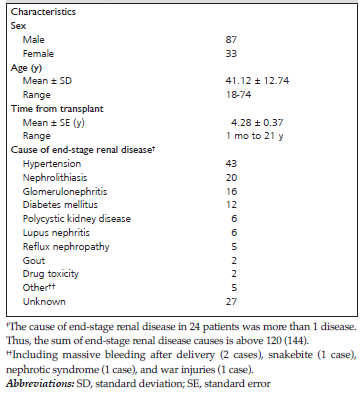
Table 1. Demographic characteristics of kidney transplant patients included in the study (n=120).
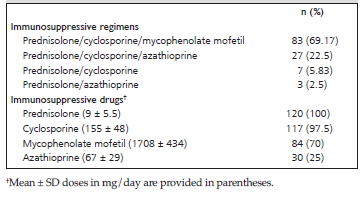
Table 2. Immunosuppressive treatment characteristics of kidney transplant patients included in the study (n=120).

Table 3. The 5 most common adverse drug reactions and the offending immunosuppressants in the study (n=1100).
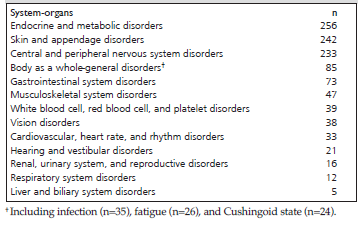
Table 4. System-organs involved with immunosuppressant adverse reactions (n=1100).