Volume: 10 Issue: 3 June 2012
FULL TEXT
This article, based in part on an invited talk at the Annual International Conference of Saudi Society of Nephrology & Transplantation in 2012, reviews current notions of the emerging field of innate alloimmunity by highlighting novel thoughts regarding future immunosuppressive therapy in organ transplantation. In light of new insights into the mechanisms of innate immunity on one hand and the essential role of regulatory T cells in controlling alloimmune responses on the other hand, potential clinical tools to generate tolerogenic dendritic cells are explored. These cells have been shown to promote induction of regulatory T cells that possess the potential to prevent acute and chronic allograft rejection. Experimental findings from both research areas are discussed in support of the notion that presentation of alloantigens under subimmunogenic noninflammatory conditions, achieved by vigorous inhibition of oxidative injury-induced allograft inflammation (known to occur in both the deceased donor and the recipient during allograft reperfusion), may lead to the induction of tolerogenic dendritic cells-mediated regulatory T cells, thereby offering a realistic opportunity to induce allotolerance in transplant recipients. However, before planning clinical trials in recipients, the start of such a novel therapeutic strategy to prevent allograft rejection could consist of designing and performing a quadruple drug treatment of deceased (brain-dead) donors aimed at generating donor-derived tolerogenic dendritic cells. The combination use of (1) an antioxidant, (2) a complement-inhibiting agent, (3) an IL-1β inhibitor, and (4) a polyclonal antilymphocytic preparation is recommended as the preferred choice of such a donor treatment. If proven successful in organ donors, similar therapeutic modalities should subsequently be considered to apply to the recipient during allograft reperfusion under strict study conditions.
Key words : Innate alloimmunity, Immunostimulatory dendritic cells, Donor treatment
Introduction
In 2012, a talk on developments in immunosuppression in organ transplantation began with the statement: We do not need a new drug to suppress the adaptive alloimmune response—nor do we need future clinical trials like a study on the “once daily administration of a drug compared to twice daily application.”1 Such trials are not helpful in solving the still-existing problems after organ transplantation that all transplant clinicians worldwide are confronted with: immunodeficiency-related complications and suboptimal long-term results. Instead, we have to walk on new avenues to solve these problems, and I firmly believe in future immunosuppression in terms of “immunosuppression in light of innate alloimmunity.” The concept of innate alloimmunity is based on our Injury Hypothesis posited in 1994 and modified several times afterwards, holding that it is the primary oxidative injury to an allograft which, in addition to its foreignness, induces innate immune pathways leading to an adaptive alloimmune response resulting in allograft rejection.2-7 The concept has now been confirmed and addressed in a recent review article.8
Current notions hold that the innate immune defense system is not only directed against pathogen-induced injury but any tissue injury. Cells of the innate immune system, such as antigen-presenting dendritic cells (DCs), are equipped with pattern recognition receptors (PRRs) that can recognize both pathogen-associated molecular patterns (PAMPs) and damage-associated molecular patterns (DAMPs). After recognition, these cells react with an infectious or sterile inflammatory response that either resolve the initial insult, leading to tissue repair and homeostasis, or, when uncontrolled and exaggerated, lead to pathologies associated with manifestation of acute and/or chronic inflammatory diseases.9-12
Future trends in immunosuppression in light of innate immunity have to be clinically feasible as well as to match current efforts of transplant immunologists to induce allograft tolerance with the use of regulatory T cells (Tregs). Indeed, in studies on a humanized mouse model, prevention of acute rejections of skin allografts and development of transplant vasculopathy was demonstrated using naturally occurring, ex vivo-expanded human Tregs (nTregs).13, 14 While immunologists continue their experimental work with ex vivo-expanded nTregs in in vitro culture systems, transplant clinicians are challenged to look for similar appropriate ways to induce Tregs in the clinical situation using their own tools. One such challenge refers to the possibility to harness donor-derived and recipient-derived tolerogenic DCs (tolDCs) as inducers for alloantigen-specific adaptive Tregs (aTregs).15
A promising approach from a transplant surgeon’ s point of view for generating aTregs-inducing tolDCs, instead of Th1/Th17-inducing immunostimulatory DCs, consists of attempts to present alloantigens to the transplant recipient under subimmunogenic conditions; that is, in the absence of allograft inflammation via prevention/inhibition of oxidative allograft injury. Compounds with antioxidative and anti-inflammatory properties are clinically available, though most often in terms of an “off-label” use. This review deals with the issue of innate allotolerance induction using such agents in terms of modern immunosuppressive drugs.
Oxidative allograft injury
An allograft is exposed to several potential injuries that may already occur in the organ donor, during organ preservation, and in the recipient after transplantation. However, there is growing evidence suggesting that the reactive oxygen species (ROS)-mediated oxidative injury is the most important injury, and thus, may be regarded as the “canonical” injury to allografts. In fact, ROS produced in excessively high amounts is pathophysiological and contributes to dysfunction, damage, and even death of cells and tissues. As recently reviewed,16, 17 generation of ROS can be seen in the brain-dead organ donor but culminates during postischemic reperfusion injury (IRI) in the recipient. In fact, ROS production in vascular cells (denoted as vROS) has raised particular attention because it is thought to contribute to several arterial diseases, the most prominent being atherosclerosis. In IRI, the vascular source of ROS generation is supported by a large variety of scientific reports published during the past 15 years. Reactive oxygen species generated in the vasculature include superoxide anions/radicals, hydrogen peroxide, hydroxyl radicals, hypochlorous acid, and singlet oxygen; however, one of the most important ROS is superoxide anions. Multiple enzyme systems produce superoxide radicals, and their derivatives in the vasculature including mitochondrial electron transport chain (ETC)-associated enzymes, xanthine oxidase (XO), and NADPH oxidases (NOXes).
There is convincing evidence in support of the notion that all 3 ROS-producing systems can sense low oxygen tension, and thus, are activated by hypoxic conditions. In the situation of organ transplantation, the notion that hypoxia, via these 3 oxygen-sensing enzyme systems, leads to the production of ROS makes sense because transplant surgeons are always dealing with hypoxia/hypoxemia-damaged donor organs. Thus, (1) in brain-dead donors, the seconds/minutes during hypothermic in situ or ex vivo perfusion of the organ; (2) in living donors, the minutes of warm ischemia time until hypothermic ex vivo perfusion of the organ; and (3) during implantation of the donor organ in the recipient, the initial phase of allograft reperfusion lasting for a few minutes, all reflect transient hypoxic states.
During allograft IRI in the recipient, a second wave of ROS generation is supposed to be mediated by recipient-derived phagocytes such as neutrophils (denoted as nROS), which enter the donor organ after revascularization. And the invading recipient- derived neutrophils are supposed to triggerpathways that lead to down-stream activation of nROS-producing enzyme systems such as XO and NOXes, which in turn mediate the second intragraft ROS burst. These neutrophil-mediated injurious events appear to be a powerful mechanism of a delayed and remaining form of reperfusion-induced tissue injury.
Oxidative allograft injury-mediated, damage-associated molecular pattern-induced immunostimulatory dendritic cells
Different classes of damage-associated molecular patterns
In the setting of organ transplantation, oxidative injury to allografts is
already substantial in a brain-dead donor organism and culminates during
postischemic reperfusion in the recipient. Although oxidative injury-induced
generation of donor- and recipient-derived immunostimulatory DCs has not been
investigated in terms of a continuous sequence of experiments, a scenario can be
sketched based on experimental data derived from targeted innate immune models.18,
19 Accordingly, oxidative allograft injury-induced metamorphosis of immature DCs
(iDCs) to fully immunostimulatory DCs in the setting of allografting; that is,
in the donor and the recipient, may be provided by different mechanisms/pathways
that are dominated by different classes of injury-induced DAMPs recognized by
different families of PRRs. For didactic reasons, I have divided these DAMPs
into 4 different categories19, 20: they are (1) class I DAMPs, which are mainly
recognized by the PRRs of iDCs; (2) class II DAMPs, which are recognized by PRRs
involved in the second (activating) step of the NLRP3 inflammasome activation;
(3) class III DAMPs, which are recognized by special activation recognition
receptors on innate lymphocytes; and (4) class IV DAMPs, that is, neoantigens
that are recognized by preexisting natural immunoglobulin M (IgM) antibodies
leading to complement activation. (Of note: I changed here class II DAMPs to
class III DAMPs and vice versa as originally described in19 and20).
Class I damage-associated molecular pattern-induced maturation of
immunostimulatory dendritic cells
Oxidative injury-induced class I DAMPs, such as high-mobility group box 1
(HMGB1) and heat shock protein 70 (HSP70) released from dying cells and
fragments of the damaged extracellular matrix (ECM) compounds, such as
hyaluronan and fibronectin, have been shown to lead to DC maturation (reviewed
in 19, 20). In this context, the clinical observation is remarkable that
expression of HMGB1 is not only up-regulated during postischemic allograft
reperfusion but also already in deceased-donor kidneys (Figure 1).21
These DAMPs are predominantly recognized by Toll-like receptors (TLRs), such as TLR4 and TLR2, and the receptor for advanced glycation end product (RAGE). In experiments in rats, HMGB1 was found to be a potential immunostimulatory signal that induces DC maturation and T-cell–mediated immunity, and RAGE was revealed to be a potential receptor associated with maturation and differentiation of DCs.22 In another set of experiments, a member of the HSP70 family, HSP70-like protein 1, was shown to activate DCs to immunostimulatory cells via interaction with TLR4.23
In addition, class I DAMPs also may include nucleic acids (probably predominantly in their oxidized form) such as endogenous double-stranded RNA (dsRNA)24, 25 and double-stranded DNA (dsDNA) (including mitochondrial DNA) that reportedly are released from injury-induced dying cells.26-28
In fact, at present, there is an emerging interest in understanding the mechanisms by which the innate immune system can detect nucleic acids as DAMPs. Much of those efforts included focusing on identifying DNA receptors and pathways leading to activation of DCs. Thus, recent studies revealed that intracellular dsDNA can lead to DC maturation.29-30 In 1 of these studies,30 dsDNA was shown to be a potent activator of human monocyte-derived DCs and primary DCs leading to potent immunostimulatory cells. Activation by dsDNA has been shown to depend on NF-κB activation, and partially, on the novel cytosolic dsDNA receptor interferon-inducible protein 16, but not on the previously recognized dsDNA sentinels AIM2, a finding that, according to the authors’ conclusion, cannot exclude the existence of a yet-to-be-identified cytosolic DNA sensor(s).30
Moreover, the DAMP dsRNA, recognized by and binding toTLR3, has been found to induce DC maturation into potent immunostimulatory cells endowed with the capacity to efficiently cross-prime T lymphocytes and to induce a cytotoxic T-cell response.31, 32
The PRRs recognizing those DAMPs trigger signalling pathways leading to DC maturation through to the activation of proinflammatory transcription factors, mainly NF-κB, but also mitogen-activated protein (MAP) kinases and interferon regulatory factors (IRFs).23, 33, 34 The maturation process of human monocyte-derived DCs can be initiated by various stimuli of the MAP kinases including phosphorylation of c-Jun N-terminal kinases (JNK).35 This is of particular importance because recently it could been shown from experiments in rats that inhibition of JNK signal transduction in brain-dead donor rats leads to significant prolongation of renal allograft survival. Remarkably, the JNK inhibitor pretreatment of brain-dead rats improved donor kidney quality and improved graft survival.36 This experimental observation, besides others, may be linked to impairment of JNK-mediated DC maturation in brain-dead donor animals.
Activation of the NLRP3 inflammasome by class II damage-associated molecular
patterns: contribution to the generation of immunostimulatory dendritic cells
Current notions hold that the metamorphosis of immature DCs into mature
immunostimulatory DCs requires and depends on presence of an inflammatory milieu
that is created in allografts by IRI (for reviews, see18, 19 and compare Figure
1). On the other hand, increasing evidence suggests that the creation of tissue
inflammation is mediated by inflammasomes, the NLRP3 inflammasome being the
most-extensively studied but also the most elusive. These molecular platforms
consist of intracellular multiprotein complexes whose essential components are
(1) a sensing recognition receptor, (2) the adapter protein apoptosis-associated
speck-like protein containing a caspase recruitment domain (ASC), and (3) the
inflammatory protease caspase-1. These molecular machines of the innate immune
system are able to produce the key cytokines interleukin-1 beta (IL-1β) and
interleukin-18 (IL-18) (for reviews see37, 38). Current notions hold that full
activation of the NLRP3 inflammasome requires 2 steps, a first priming step and
a second activating step (Figure 2). The priming step leads to the up-regulation
of NLRP3 expression and also induces pro-IL-1β expression; thus controlling
the threshold of inflammasome activation. Initial stimuli/signals priming NLRP3
include class I DAMPs, that is, ligands for PRRs such as TLRs,
nucleotide-binding oligomerization domain, leucine-rich repeat containing
receptors (known as “NLRs”), and the retinoic acid inducible gene I-like
receptors (known as “RLRs”)37 which, via PRR-triggered transcriptional processes
(eg, NF-κB activation), lead to enhanced up-regulation of NLRP3 expression
and induction of proIL-1βmRNA/proIL-1β levels before inflammasome
activation. Activation of NLRP3 is distinct from this initial priming step,
although its nature still has not precisely elucidated. Though the leucine-rich
repeats (known as LRRs) of other PRRs have been shown to directly bind their
cognate activators, this is unlikely to be true for NLRP3, given the sheer
number of physically and chemically diverse stimuli that have been shown to
induce NLRP3-dependent IL-1β secretion,38 and that, for didactic reasons, I
call them class II DAMPs.
Nevertheless, several studies have suggested 3 possible means by which the inflammasome is activated. In reality, however, these factors are probably nonexclusive37, 38: First, efflux of potassium, which is initiated by pore-forming toxins, membrane disruption, or ligand-triggered channels, has been shown to lead to NLRP3 inflammasome assembly. For example, as often seen during cell death, high extracellular concentrations of adenosine triphosphate (ATP), a known potent activator of the NLRP3 inflammasome, reduce intracellular K+ concentration by approximately 50%. And NLRP3 activation by this mechanism is thought to occur via binding of extracellular ATP to the two-transmembrane ionotropic purinergic receptor P2X7 leading to K+ efflux mediated by the P2X7-receptor-associated cation hemi-channel pannexin-1.
Phagosomal microparticles (crystals such as uric acid crystals, crystalline material particles, and protein aggregates) are another class II DAMPs activating NLRP3, although they are suggested also to provoke inflammation through inflammasome-independent pathways.39
Lastly, production of ROS, operating as ancient and highly evolutionarily conserved danger signals, have been suggested to act as a common event up-stream of the NLRP3 inflammasome machinery. Indeed, elevated ROS production is observed upon treatment with many NLRP3 activators tested to date. In addition, any number of potential targets of ROS might be involved in inflammasome activation. For example, it could be demonstrated that the thioredoxin-interacting protein (TXNIP) is a ROS-sensitive regulator of NLRP3 inflammasome activation.40 The exact mechanism is not quite clear, but it is suggested that liberated TXNIP may interact with the NLRP3 protein, resulting in a conformational change of the pyrin domain of the NLRP3 protein, as was predicted by molecular modelling.41 Moreover, as predicted earlier by us,19, 20 oxidized DNA has recently been shown to operate as a class II DAMP causing NLRP3 activation.42 On the other hand, another set of recently performed in vitro studies suggested that ROS is involved in NLRP3 inflammasome activation by stimulating the priming step that is required to induce up-regulation of NLRP3 expression rather than contribute to the second activating step, leading to secretion of biologically active IL-1β.43
In conclusion, the finding that the NLRP3 inflammasome can be activated by host-derived injury-induced molecules represents part of an emerging literature supporting a model in which the innate immune system detects endogenous molecular indicators of dangerous cellular injury or stress, that is, DAMPs. In addition, in view of current evidence available, one may discuss the possibility that ROS (produced by the 3 ROS-producing enzyme systems during IRI), in terms of signal 2, activate the NLRP3 inflammasome by induction of either directly acting class II DAMPs (such as TXNIP or oxidized DNA) or indirectly operating class II DAMPs (such as eATP or microcrystals released from dying cells), and by this, initiate and drive the well-known inflammatory milieu known to be associated with IRI. One can further suggest that the initial priming step (= signal 1) for NLRP3 inflammasome activation during IRI may be mediated through stimulation by ROS-induced class I DAMPs via the TLR-NF-κB axis. Further studies are required to delineate the contribution of class I DAMPs in the priming versus activating of the NLRP3 inflammasome by class II DAMPs.
In terms of an extension of this conclusion, one may discuss that inflammasomes are already activated in a brain-dead organism. In fact, in studies on experimental models of brain-dead donors, products of the NLRP3 inflammasome, that is, IL-1β, have already been demonstrated.44 Another set of experimental studies on brain death models in rats, a cytokine storm and maturation of DCs has been reported.44-46 In addition, a recent study in brain-dead nonhuman primates revealed global signs of brain death-induced, innate immunity-mediated inflammation including neutrophil accumulation, increased expression of chemokine receptors in peripheral blood leukocytes, significant up-regulation of genes related to innate inflammatory responses, TLR signalling-mediated stress pathways, and apoptosis/cell death and increased expression of oxidative stress markers.47 Moreover, in a clinical trial, up-regulated gene expression of cytokines in hepatic tissue from human brain-dead donor lent support for the existence of a cytokine storm in the clinical situation.48
Taken together, these findings suggest that class II DAMPs are already generated in a brain-dead organism able to activate inflammasomes. In this sense, a brain-dead donor organism can be regarded as an acute, systemic, innate immunity-mediated autoinflammatory syndrome. Thus, donor organs are already inflamed in the brain-dead donor and, after transplantation, experience an inflammatory boost.
Contribution of class III damage-associated molecular pattern-activated innate
lymphocytes to the generation of immunostimulatory dendritic cells
During recent years, several reports have emphasized a contributing role of
activated innate lymphocytes, such as natural killer (NK) cells, in the process
of DC maturation where NK cells and DCs coordinate their response communicating
through direct cell-to-cell contact and soluble factors such as TNF-α and
INF-γ (Figure 3).
In recent years, several reports have emphasized the role of a crosstalk between NK cells and DCs in regulating the early phases of innate immunity and of the subsequent adaptive immune responses. For example, NK cells contribute to maturation of DCs by communicating through direct cell-to-cell contact and secretion of cytokines. In addition, NK cells appear to contribute to the quality control of iDCs undergoing maturation, a process called “editing” of DCs.49-51 A collection of literature demonstrates that cell stress/tissue injury can induce certain “stress-inducible” self proteins, that is, self-proteins normally up-regulated in infected or transformed cells. These proteins, as membrane-bound, less soluble ligands of the NK group 2, member D (NKG2D) receptor, are mainly expressed on epithelial and endothelial cells but are also circulating as secreted forms, as described in humans. They can promote activation of NK cells by binding to the activating NGK2D receptor on these cells. Natural killer group 2, member D, an invariant type II trans-membrane-anchored, C-type lectinlike receptor, also is present on the surface of other innate lymphocytes such as NKT cells, and γδ T cells, even though to a lesser degree.52 Major histocompatibility complex (MHC) class-I-chain-related protein A (MICA) and B (MICB) as well as members of the UL16-binding proteins (known as “ULBPs”)–(for didactic reasons, I call them class III DAMPs), belong to these cell stress-induced proteins, which, in terms of “induced-(altered) self” ligands, are recognized by NKG2D (for reviews see also19, 20). Although large series of experiments are still lacking, the few that have been performed provide evidence suggesting that oxidative stress including IRI can be counted as one of the types of stress able to up-regulate these NKG2D-binding class III DAMPs (reviewed in19). Interestingly, recent in vitro studies on a human renal proximal tubular epithelial cell line (HK-2) revealed that hypoxia-inducing factor 1 alpha obviously plays an important role in up-regulating MICA expression, inducing interferon (IFN)-γ secretion and NK cell cytotoxicity during hypoxia/reoxygenation,53 a finding pointing to a possible role of allograft IRI in the intragraft up-regulation of MICA expression.
While a substantial role of all 3 subpopulations of innate lymphocytes has been clearly demonstrated in murine models of IRI, only a few studies have concentrated on the demonstration of innate lymphocytes infiltrating human transplants. Nevertheless, 2 earlier reports clearly showed that passenger lymphocytes in human liver allografts removed from deceased brain-dead donors contain large amounts of NK cells, less numbers of NKT, and γδ T cells.54, 55 In this context, a clinical study on biopsies of renal allograft from deceased donors is important revealing expression of MICB molecules on proximal and distal tubular cells, even before transplantation.56 These earlier clinical findings provide evidence suggesting that innate lymphocytes are not only activated during allograft IRI but also even earlier in deceased donors, in both situations mediated by class III DAMPs, that is, stress-“induced-(altered) self” ligands of NKG2D such as MICA and MICB.
Contribution of class IV damage-associated molecular patterns to complement
activation that aggravates the oxidative allograft injury
Class IV DAMPs refer to those injury-induced endogenous molecules that are
recognized by humoral innate immune receptors, for example natural IgM
antibodies. The background of this concept is the generally known, IRI-induced
activation of complement, which aggravates the tissue injury primarily caused,
mediated, and expanded by ROS. Current knowledge regarding underlying mechanisms
includes the notion that auto (iso)-reactive natural IgM antibodies, which can
recognize injury-induced antigenic neo-epitopes; that is, altered self-antigens,
play a pivotal role as early effectors of the IRI cascade (see also19, 20). In
fact, targeted studies identified the altered self-antigen involved in IRI as a
highly conserved region (represented by N2 peptide) within nonmuscle myosin II-A
heavy chain (NMHC-II).57 So far, only this class IV DAMP has been discovered,
but NMHC-II might just be the tip of the iceberg and more such injury-induced
“altered-self” molecules recognized by natural IgM antibodies will probably be
discovered in the future.
As known, the complement system consists of approximately 30 soluble and membrane-bound proteins and can be activated by any 1 of 3 pathways, the antibody-dependent classic pathway, the alternative pathway, or the mannose-binding lectin (MBL) pathway. Although the classic pathway had been assumed to be the major pathway of activation leading to IRI, the MBL pathway also may play a significant contributing role. In fact, there is no doubt that the involvement of natural IgM antibodies in the activation of complement pathways contributes to the complex and complicated pathogenesis of full-scale IRI, including allograft IRI. In this way, by aggravating the degree of IRI-induced tissue injury, class IV DAMPs may contribute to the process of DC maturation.
Both experimental and clinical studies have provided convincing evidence indicating that complement activation already occurs in brain-dead organisms (for review, see58). Thus, one may discuss the possibility that class IV DAMPs are already operating in brain death organisms.
Conclusion: the scenario of innate alloimmunity
According to the findings briefly outlined in this chapter, scenario models of
DAMPs-induced generation of immunostimulatory DCs can be sketched as illustrated
in Figures 1-2-3. Transferred and theoretically applied to the in vivo situation
of organ transplantation, a 10-step sequelae of different innate immune events
can be identified leading to allograft rejection. Accordingly, the first step of
those events occurs in the deceased donor. In fact, the state of a brain-dead
organism is characterized by the generation of ROS leading to generalized donor
organ damage that is aggravated by ROS-induced, class IV DAMP-mediated
complement activation. An orchestrated action of class I and class II DAMPs
leads to the maturation of donor-derived immunostimulatory DCs within initially
inflamed donor organs. Class III DAMPs induce activation of donor innate
lymphocytes, that in turn, contribute to DC maturation. In other words, every
organ removed from a brain-dead donor is an acutely inflamed organ that contains
activated donor-derived immunostimulatory DCs and activated donor innate
lymphocytes to be transplanted to the recipient.
In the recipient, after transplantation, the donor organ is again injured via exposure to a second wave of ROS generated during reperfusion and associated with complement activation, followed by class II DAMPs-mediated allograft inflammation. Invasion of recipient-derived iDCs and innate lymphocytes into the allograft are activated by the class I DAMPs and class III DAMPs, respectively, resulting in the generation of recipient immunostimulatory DCs. Intragraft donor-derived DCs not yet matured to immunostimulatory DCs in the donor organism, may now definitely experience this metamorphosis under IRI-mediated innate immune mechanisms in the recipient.
Finally, both donor- and recipient-derived DCs travel to the secondary lymphoid tissue of the recipient to interact with and present alloantigens to naïve T-cells, a scenario known as the phenomena of direct and indirect allorecognition. Consequently, massive T- and B-cell proliferation/differentiation lead to development of an adaptive alloimmune response, ultimately resulting in acute allograft rejection.
Therapeutic strategies in the clinic to induce regulatory T cells via generation of tolerogenic dendritic cells
Introduction
Certainly, the scenario outlined above leads to new strategic thinking of future
immunosuppression, and the question is: How can we specify future trends in
immunosuppressive therapy? In fact, there is increasing evidence in support of
the notion that, in the absence of infection and inflammation, in general,
associated with the absence or insufficient presence of PAMPs or DAMPs, DCs
mature to antigen-presenting cells with tolerogenic capabilities induced by
noninflammatory signals. These steady-state tolDCs, although possessing enhanced
antigen processing and presentation capacity, are subimmunogenic because they
express only modest levels of MHC molecules and little, probably restricted
costimulatory molecules, and secrete no Th1-and/or Th17-polarizing cytokines.
Owing to these properties, tolDCs are prone to mediate and maintain peripheral
tolerance, predominantly via induction of antigen-specific aTregs (for reviews,
see15, 59). Consequently, the goal of modern strategies of immunosuppressive
therapy in transplant patients should be to present allogeneic transplantation
antigen in subimmunogenic form under noninflammatory conditions aiming at
generating tolDCs able to induce alloantigen-specific Tregs.
The principle to induce regulatory T cells by applying transplantation antigens
under subimmunogenic noninflammatory conditions
Experiments aimed at inducing allotolerance via presentation of weak
transplantation antigens under subimmunogenic conditions within a
noninflammatory microenvironment have been successfully undertaken using the
model of HY antigens, that is, the male-specific, Y chromosome, encoded minor
histocompatibility (H) antigens, others being encoded by autosomal genes (for
reviews, see59, 60). Of those studies that is surprisingly not well known in the
transplant community should be briefly mentioned here61: In these experiments,
C57BL/6 (B6) female mice were infused with the single immunodominant class II
MHC-presented HY peptide with osmotic minipumps. The results from these
experiments show that the supply of peptide to female mice under subimmunogenic
conditions can induce complete long-term transplantation tolerance in wild-type
mice by converting naïve
HY-specific CD4+ T cells into HY-specific Foxp3+ Tregs, which, in turn, suppress
the response of male-specific CD4+ and CD8+ T cells even when the latter
recognize peptides from a different HY protein.
Accordingly, the ultimate goal of generating donor- and recipient-derived tolDCs within a noninflammatory intragraft milieu aiming at inducing alloantigen-specific adaptive Tregs in the recipient is very clear: To present alloantigens under noninflammatory, subimmunogenic conditions via prevention and inhibition of oxidative allograft injury and subsequent oxidative injury-mediated allograft inflammation .
Tools to clinically induce potential innate allotolerance through induction of
adaptive T-regulatory lymphocytes in vivo: the use of antioxidants,
complement-inhibitory agents, anti-inflammatory drugs, and polyclonal
antilymphocytic preparations
Several potential, innate alloimmunity-suppressing drugs to treat innate immune
events in the donor and the recipient exist and have comprehensively been
reviewed earlier.60, 62, 63 Here, a few therapeutic strategies will be addressed
that could be realized tomorrow using clinically registered drugs, at least in
terms of their off-label use.
At first, when pursuing the concept to present alloantigens under subimmunogenic conditions in the clinical situation, one must realize that we are dealing with a time-restricted therapeutic window open during the time period when injurious events affect the donor organ. Accordingly, we must treat the donor before/during organ removal and the recipient before/during allograft reperfusion, and maybe, during the first postoperative days.
Antioxidants: It was the Munich superoxide dismutase (SOD) trial published exactly 18 years ago that provided the first clue to the existence of innate alloimmunity that brought antioxidants to the attention of transplant clinicians.2, 64 In this trial, SOD was intravenously administered in a dose of 200 mg once during surgery, just before the onset of postischemic reperfusion of renal allografts, in patients under cyclosporine-based immunosuppression. Remarkably, SOD-treated patients showed a significant reduction in incidence of acute rejection episodes (18.5% compared to 33.3% in controls) as well as a significant improvement of long-term allograft survival, an effect that could be observed even 8 years after application of SOD. We argue that this beneficial effect of SOD on both acute and chronic rejection events may be interpreted in terms of an attempt to present antigens under less immunogenic conditions. In fact, one is tempted to hypothesize that the reduction of oxidative injury-induced inflammation of the allografts by SOD has led to presentation of alloantigens under less inflammatory, that is, less immunogenic conditions. And the unexpected impressive effect of a single SOD injection on long-term allograft survival might indicate induction of Tregs known to operate over a long period of time under continuous antigen immunization.65 Unfortunately, however, at that time, Tregs were not measurable.
Since the publication of the Munich SOD trial, a large list of powerful antioxidants has been tested experimentally including edaravone and SOD mimetics (referred to in detail in 200662). Edaravone, a synthetic free-radical scavenger, was developed as a neuroprotective agent. The drug is approved in Japan for treatment of acute cerebral infarction.66 In canine renal autotransplantation, the drug effectively reduces IRI, and in mice, it has been shown to significantly prolong the survival time of cardiac allografts.67, 68 In addition, in recent experiments, when infused to the donor organ before transplantation, the drug has been shown to prolong murine cardiac allograft survival by attenuating dendritic cell immunogenicity.69
Inhibition of complement activation: Use of specific complement inhibitors to block complement activation at various levels of the cascade experimentally has been shown to successfully prevent or reduce local tissue injury after IRI. However, only a few complement inhibitors, including C1-esterase inhibitor, monoclonal anti-C5 antibodies (eg, eculizumab, and soluble complement receptor 1) have made it into clinical trials of IRI; and, as also recently reviewed,70 the results are mixed. Nevertheless, they seem to be worth to be clinically tested in the donor and the recipient.
Anti-inflammatory agents: Besides the plausible application of unspecific anti-inflammatory drugs (eg, methylprednisolone in high doses to the donor and the recipient), the use of more-specific agents that intervene during NLRP3 inflammasome activation must be considered. These agents include the IL-1β inhibitors anakinra, a soluble recombinant IL-Ra, and canakinumab, an IL-β-neutralizing monoclonal antibody.71, 72 In particular, canakinumab has become popular because of its longer half-life. So, it is not surprising that the pharmaceutical industry in United States has taken up this concept and plans a large multinational collaborative clinical trial, the CANTOS trial, with this monoclonal antibody aiming at preventing progression of atherosclerosis in patients after myocardial infarction.73
Elimination/depletion of innate lymphocytes: Depletion of innate lymphocytes in the deceased donor and the recipient during allograft IRI may be added to these therapeutic approaches. Elimination of this category of lymphocytes has the aim of preventing their participation in the evolvement of immunogenic DCs, and thus, to induce tolDCs. Polyclonal T-cell preparations are routinely used for suppression of alloreactive lymphocyte proliferation in transplant patients; however, they also presumably can be used to deplete innate lymphocytes when administered to the donor before/during organ retrieval and to the recipient before/during allograft reperfusion. Indeed, intravenous application of ATG in renal transplant patients has been shown not only to induce rapid and massive depletion of CD3+ (obviously including CD3+ NKT cells and γδ T cells), CD4+, and CD8+ T cells, but also to induce rapid and massive but transient depletion of NK cells.74, 75 Thus, a strong efficacy of polyclonal anti–T-cell antibodies in depleting all 3 categories of innate lymphocytes can be assumed.
The start of a proof-of-concept trial: proposal of a quadruple drug treatment of brain-dead donors: Taken together, a proposal for a clinical trial is made that can be tackled tomorrow: This proposal consists of a quadruple drug treatment of brain-dead donors with the aim of generating donor-derived tolDCs. Certainly, such a therapeutic approach must be envisaged after confirmation of brain death and under strict consideration of informed consent by the donor’s relatives. Four drugs can be applied, for example (Figure 4): (1) edaravone (off-label use since clinically approved in Japan for treatment of cerebral stroke); (2) eculizumab (off-label use since clinically approved for paroxysmal nocturnal hemoglobinuria); (3) canakinumab (off-label use since clinically approved for cryopyrin-associated periodic syndrome); and (4) polyclonal antilymphocytic preparation (clinically approved for prophylaxis/ treatment of acute allograft rejection).
Such a therapeutic approach aiming at preventing generation of donor-derived immunostimulatory DCs seems to be justified as donor-derived DCs, via the process of direct allorecognition, are mainly responsible for development of acute rejection episodes during the first 3 months after transplantation whereas recipient-derived DCs are believed to be mainly responsible for chronic rejection (for reviews, see76, 77). Moreover, after transplantation of an allograft containing donor-derived tolDCs, there might be even an overriding effect of donor-derived tolDCs on recipient-derived proinflammatory DCs. In fact, first evidence has been published indicating that human tolDCs confer infectious tolerance by inducing antigen-specific Tregs, which, in turn, re-educate proinflammatory mature DCs into DCs with regulatory properties.78 Regarding acceptance of and permission for such a therapeutic approach by transplant clinicians, it seems reasonable to start a clinical trial in senior programs of kidney allocation where only kidneys are removed from brain-dead donors.
Outlook
Regarding prevention of immunodeficiency-related complications and chronic allograft rejection, it is time to envisage and plan novel strategies for immunosuppression in organ transplantation. In light of new insights into both mechanisms of innate alloimmunity on one hand and the potential of Tregs to control alloimmune responses on the other hand, clinical development of tools for induction of alloantigen-specific aTregs, with the potential of preventing acute and chronic rejection, should be mandatory. Because induction of successful transplantation tolerance by means of Tregs-adoptive immunotherapy requires large numbers of cells that appear not to be too easy to obtain by expanding existing nTregs, alternative but clinically feasible approaches must be considered to generate such regulatory cells directly in transplant patients. Introduction of (weak) transplantation antigens under noninflammatory subimmunogenic conditions has experimentally been shown to induce transplant tolerance. Thus, vigorous inhibition of oxidative injury-induced allograft inflammation; that is, presentation of alloantigens under subimmunogenic conditions, could offer a realistic opportunity to induce allotolerance in transplant recipients.
However, before planning phase 1 clinical trials in recipients, the start of such a future therapeutic strategy of preventing allograft rejection could consist of designing and performing a quadruple drug treatment of a deceased donor aimed at generating donor-derived tolDCs. The combination use of an antioxidant, a complement-inhibiting agent, an IL-1β inhibitor, and a polyclonal antilymphocytic preparation should be the preferred choice of such a treatment. In fact, that kind of a “first–the-donor-treating strategy” is associated with the advantage of avoiding application of analogous, potentially dangerous immune-modulating procedures in the recipient. Certainly, if proven successful in organ donors, such corresponding innovative therapeutic modalities must be considered with a view to their practical and feasible application to recipients during allograft reperfusion, however, by obeying strict study rules and clinical trial conditions.
References:
- Krämer BK, Charpentier B, Bäckman L, et al; Tacrolimus Prolonged Release
Renal Study Group. Tacrolimus once daily (ADVAGRAF) versus twice daily (PROGRAF)
in de novo renal transplantation: a randomized phase III study. Am J Transplant.
2010;10(12):2632-2643.
CrossRef - PubMed - Land W, Schneeberger H, Schleibner S, et al. The beneficial effect of human
recombinant superoxide dismutase on acute and chronic rejection events in
recipients of cadaveric renal transplants. Transplantation. 1994;57(2):211-217.
CrossRef - PubMed - Land W, Messmer K. The impact of ischemia/reperfusion injury on specific and
non-specific, early and late chronic events after organ transplantation.
Transplant Rev. 1996;10(2):108-127.
CrossRef - Land W. Postischemic reperfusion injury to allografts -- a case for 'innate
immunity'? Eur Surg Res. 2002;34(1-2):160-169.
CrossRef - PubMed - Land W. Allograft injury mediated by reactive oxygen species: from conserved
proteins of Drosophila to acute and chronic rejection of human transplants. Part
III: Interaction of (oxidative) stress-induced heat shock proteins with
Toll-like receptor-bearing cells of innate immunity and its consequences for the
development of acute and chronic allograft rejection. Transplantation Rev.
2003;17(2):67-86.
CrossRef - Land WG. The role of postischemic reperfusion injury and other
nonantigen-dependent inflammatory pathways in transplantation. Transplantation.
2005;79(5):505-514.
CrossRef - PubMed - Land WG. Prologue. Innate Alloimmunity: evolution and revolution in organ transplantation. In: Land WG, ed. Innate Alloimmunity, Part 2: Innate Immunity and Allograft Rejection. 1st ed. Ankara, Turkey–Lengerich, Germany: Baþkent University; Pabst Science Publishers; 2011:XXIX-XXXIII.
- Wood KJ, Goto R. Mechanisms of rejection: current perspectives.
Transplantation. 2012;93(1):1-10.
CrossRef - PubMed - Kumar H, Kawai T, Akira S. Pathogen recognition by the innate immune system.
Int Rev Immunol. 2011;30(1):16-34.
CrossRef - PubMed - Chen GY, Nuñez G. Sterile inflammation: sensing and reacting to damage. Nat
Rev Immunol. 2010;10(12):826-837.
CrossRef - PubMed - Rock KL, Latz E, Ontiveros F, Kono H. The sterile inflammatory response.
Annu Rev Immunol. 2010;28:321-342.
CrossRef - PubMed - Newton K, Dixit VM. Signaling in innate immunity and inflammation. Cold
Spring Harb Perspect Biol. 2012;4(3). pii: a006049.
CrossRef - PubMed - Issa F, Hester J, Goto R, Nadig SN, Goodacre TE, Wood K. Ex vivo-expanded
human regulatory T cells prevent the rejection of skin allografts in a humanized
mouse model. Transplantation. 2010;90(12):1321-1327.
CrossRef - PubMed - Nadig SN, Wieckiewicz J, Wu DC, et al. In vivo prevention of transplant
arteriosclerosis by ex vivo-expanded human regulatory T cells. Nat Med.
2010;16(7):809-813.
CrossRef - PubMed - Maldonado RA, von Andrian UH. How tolerogenic dendritic cells induce
regulatory T cells. Adv Immunol. 2010;108:111-165.
CrossRef - PubMed - Land WG. Oxidative allograft injury revisited at the beginning of the new millennium. In: Land WG, ed. Innate Alloimmunity, Part 2: Innate Immunity and Allograft Rejection. 1st ed. Ankara, Turkey–Lengerich, Germany: Baþkent University; Pabst Science Publishers; 2011:81-210.
- Land WG. Emerging role of innate immunity in organ transplantation: Part I:
evolution of innate immunity and oxidative allograft injury. Transplant Rev
(Orlando). 2012;26(2):60-72.
CrossRef - PubMed - Land WG. Role of pattern recognition receptors in mediating oxidative tissue injury via activation of dendritic cells, innate lymphocytes, and T lymphocytes. In: Land WG, ed. Innate Alloimmunity, Part 2: Innate Immunity and Allograft Rejection. 1st ed. Ankara, Turkey–Lengerich, Germany: Baþkent University; Pabst Science Publishers; 2011:339-459.
- Land WG. Emerging role of innate immunity in organ transplantation Part II:
potential of damage-associated molecular patterns to generate immunostimulatory
dendritic cells. Transplant Rev (Orlando). 2012;26(2):73-87.
CrossRef - PubMed - Land WG. Oxidative injury-induced, damage-associated molecular pattern molecules and their pattern recognition receptors. In: Land WG, ed. Innate Alloimmunity, Part 2: Innate Immunity and Allograft Rejection. 1st ed. Ankara, Turkey–Lengerich, Germany: Baþkent University; Pabst Science Publishers; 2011:229-322.
- Krüger B, Krick S, Dhillon N, et al. Donor Toll-like receptor 4 contributes
to ischemia and reperfusion injury following human kidney transplantation. Proc
Natl Acad Sci U S A. 2009;106(9):3390-3395.
CrossRef - PubMed - Zhu XM, Yao YM, Liang HP, et al. The effect of high mobility group box-1
protein on splenic dendritic cell maturation in rats. J Interferon Cytokine Res.
2009;29(10):677-686.
CrossRef - PubMed - Fang H, Wu Y, Huang X, et al. Toll-like receptor 4 (TLR4) is essential for
Hsp70-like protein 1 (HSP70L1) to activate dendritic cells and induce Th1
response. J Biol Chem. 2011;286(35):30393-30400.
CrossRef - PubMed - Karikó K, Ni H, Capodici J, Lamphier M, Weissman D. mRNA is an endogenous
ligand for Toll-like receptor 3. J Biol Chem. 2004;279(13):12542-12550.
CrossRef - PubMed - Amarante MK, Watanabe MA. Toll-like receptor 3: involvement with exogenous
and endogenous RNA. Int Rev Immunol. 2010;29(6):557-573.
CrossRef - PubMed - Zhang Q, Raoof M, Chen Y, et al. Circulating mitochondrial DAMPs cause
inflammatory responses to injury. Nature. 2010;464(7285):104-107.
CrossRef - PubMed - Beyer C, Stearns NA, Giessl A, Distler JH, Schett G, Pisetsky D. The
extracellular release of DNA and HMGB1 from Jurkat T cells during in vitro
necrotic cell death. Innate Immun. 2012 Feb 16. [Epub ahead of print]
CrossRef - PubMed - Marichal T, Ohata K, Bedoret D, et al. DNA released from dying host cells
mediates aluminum adjuvant activity. Nat Med. 2011;17(8):996-1002.
CrossRef - PubMed - Alyamkina EA, Leplina OY, Sakhno LV, et al. Effect of double-stranded DNA on
maturation of dendritic cells in vitro. Cell Immunol. 2010;266(1):46-51.
CrossRef - PubMed - Kis-Toth K, Szanto A, Thai TH, Tsokos GC. Cytosolic DNA-activated human
dendritic cells are potent activators of the adaptive immune response. J
Immunol. 2011;187(3):1222-1234.
CrossRef - PubMed - Jelinek I, Leonard JN, Price GE, et al. TLR3-specific double-stranded RNA
oligonucleotide adjuvants induce dendritic cell cross-presentation, CTL
responses, and antiviral protection. J Immunol. 2011;186(4):2422-2429.
CrossRef - PubMed - Gauzzi MC, Del Cornò M, Gessani S. Dissecting TLR3 signalling in dendritic
cells. Immunobiology. 2010;215(9-10):713-723.
CrossRef - PubMed - O'Neill LA. How Toll-like receptors signal: what we know and what we don't
know. Curr Opin Immunol. 2006;18(1):3-9.
CrossRef - PubMed - Arce F, Kochan G, Breckpot K, Stephenson H, Escors D. Selective activation
of intracellular signalling pathways in dendritic cells for cancer
immunotherapy. Anticancer Agents Med Chem. 2012;12(1):29-39.
PubMed - Nakahara T, Moroi Y, Uchi H, Furue M. Differential role of MAPK signaling in
human dendritic cell maturation and Th1/Th2 engagement. J Dermatol Sci.
2006;42(1):1-11.
CrossRef - PubMed - Chen L, Xu D, Gao Y, et al. Effect of donor JNK signal transduction
inhibition on transplant outcome in brain dead rat model. Inflammation.
2012;35(1):122-129.
CrossRef - PubMed - Bauernfeind F, Ablasser A, Bartok E, et al. Inflammasomes: current
understanding and open questions. Cell Mol Life Sci. 2011;68(5):765-783.
CrossRef - PubMed - Gross O, Thomas CJ, Guarda G, Tschopp J. The inflammasome: an integrated
view. Immunol Rev. 2011;243(1):136-151.
CrossRef - PubMed - Busso N, So A. Microcrystals as DAMPs and their role in joint inflammation.
Rheumatology (Oxford). 2012 Feb 12. [Epub ahead of print]
CrossRef - PubMed - Zhou R, Tardivel A, Thorens B, Choi I, Tschopp J. Thioredoxin-interacting
protein links oxidative stress to inflammasome activation. Nat Immunol.
2010;11(2):136-140.
CrossRef - PubMed - Mankan AK, Dau T, Jenne D, Hornung V. The NLRP3/ASC/Caspase-1 axis regulates
IL-1β processing in neutrophils. Eur J Immunol. 2012;42(3):710-715.
CrossRef - PubMed - Shimada K, Crother TR, Karlin J, et al. Oxidized Mitochondrial DNA Activates
the NLRP3 Inflammasome during Apoptosis. Immunity. 2012;36(3):401-414.
CrossRef - PubMed - Bauernfeind F, Bartok E, Rieger A, Franchi L, Núñez G, Hornung V. Cutting
edge: reactive oxygen species inhibitors block priming, but not activation, of
the NLRP3 inflammasome. J Immunol. 2011;187(2):613-617.
CrossRef - PubMed - Kusaka M, Pratschke J, Wilhelm MJ, et al. Activation of inflammatory
mediators in rat renal isografts by donor brain death. Transplantation.
2000;69(3):405-410.
CrossRef - PubMed - Takada M, Nadeau KC, Hancock WW, et al. Effects of explosive brain death on
cytokine activation of peripheral organs in the rat. Transplantation.
1998;65(12):1533-1542.
CrossRef - PubMed - Morariu AM, Martins PN, Leuvenink HG, et al. Brain death and donor age synergistically accelerate the early immune response of allograft recipient (Abstract No. O155). Transplant Int. 2007;20:47.
- Danobeitia JS, Sperger JM, Hanson MS, et al. Early Activation of the
Inflammatory Response in the Liver of Brain-Dead Non-Human Primates. J Surg Res.
2011 Nov 19. [Epub ahead of print]
CrossRef - PubMed - Weiss S, Kotsch K, Francuski M, et al. Brain death activates donor organs
and is associated with a worse I/R injury after liver transplantation. Am J
Transplant. 2007;7(6):1584-1593.
CrossRef - PubMed - Münz C, Steinman RM, Fujii S. Dendritic cell maturation by innate
lymphocytes: coordinated stimulation of innate and adaptive immunity. J Exp Med.
2005;202(2):203-207.
CrossRef - PubMed - Moretta A, Marcenaro E, Parolini S, Ferlazzo G, Moretta L. NK cells at the
interface between innate and adaptive immunity. Cell Death Differ.
2008;15(2):226-233.
CrossRef - PubMed - Marcenaro E, Carlomagno S, Pesce S, Moretta A, Sivori S. NK/DC crosstalk in
anti-viral response. Adv Exp Med Biol. 2012;946:295-308.
CrossRef - PubMed - Champsaur M, Lanier LL. Effect of NKG2D ligand expression on host immune
responses. Immunol Rev. 2010;235(1):267-285.
CrossRef - PubMed - Luo L, Lu J, Wei L, et al. The role of HIF-1 in up-regulating MICA
expression on human renal proximal tubular epithelial cells during
hypoxia/reoxygenation. BMC Cell Biol. 2010;11:91.
CrossRef - PubMed - Schlitt HJ, Raddatz G, Steinhoff G, Wonigeit K, Pichlmayr R. Passenger
lymphocytes in human liver allografts and their potential role after
transplantation. Transplantation. 1993;56(4):951-955.
CrossRef - PubMed - Navarro F, Portalès P, Candon S, et al. Natural killer cell and alphabeta
and gammadelta lymphocyte traffic into the liver graft immediately after liver
transplantation. Transplantation. 2000;69(4):633-639.
CrossRef - PubMed - Quiroga I, Salio M, Koo DD, et al. Expression of MHC class I-related Chain B
(MICB) molecules on renal transplant biopsies. Transplantation.
2006;81(8):1196-1203.
CrossRef - PubMed - Zhang M, Alicot EM, Chiu I, et al. Identification of the target
self-antigens in reperfusion injury. J Exp Med. 2006;203(1):141-152.
CrossRef - PubMed - Damman J, Daha MR, van Son WJ, Leuvenink HG, Ploeg RJ, Seelen MA. Crosstalk
between complement and Toll-like receptor activation in relation to donor brain
death and renal ischemia-reperfusion injury. Am J Transplant.
2011;11(4):660-669.
CrossRef - PubMed - Daniel C, von Boehmer H. Extrathymic generation of regulatory T
cells--chances and challenges for prevention of autoimmune disease. Adv Immunol.
2011;112:177-213.
CrossRef - PubMed - Land WG. Emerging role of innate immunity in organ transplantation part III:
the quest for transplant tolerance via prevention of oxidative allograft injury
and its consequences. Transplant Rev (Orlando). 2012;26(2):88-102.
CrossRef - PubMed - Verginis P, McLaughlin KA, Wucherpfennig KW, von Boehmer H, Apostolou I.
Induction of antigen-specific regulatory T cells in wild-type mice:
visualization and targets of suppression. Proc Natl Acad Sci U S A.
2008;105(9):3479-3484.
CrossRef - PubMed - Land WG. Immunosuppressive strategies in organ transplantation in the light
of innate immunity. Exp Clin Transplant. 2006;4(1):406-415.
PubMed - Land WG. Immunosuppressive strategies in light of innate alloimmunity. In: Land WG. Innate Alloimmunity, Part 2: Innate Immunity and Allograft Rejection. 1st ed. Ankara, Turkey- Lengerich, Germany: Baþkent University- Pabst Science Publishers, 2011: 603-685.
- Schneeberger H, Schleibner S, Schilling M, et al. Prevention of acute renal
failure after kidney transplantation by treatment with rh-SOD: interim analysis
of a double-blind placebo-controlled trial. Transplant Proc.
1990;22(5):2224-2225.
PubMed - Daniel C, Nolting J, von Boehmer H. Mechanisms of self-nonself
discrimination and possible clinical relevance. Immunotherapy.
2009;1(4):631-644.
PubMed - Lapchak PA. A critical assessment of edaravone acute ischemic stroke
efficacy trials: is edaravone an effective neuroprotective therapy? Expert Opin
Pharmacother. 2010;11(10):1753-1763.
CrossRef - PubMed - Tahara M, Nakayama M, Jin MB, et al. A radical scavenger, edaravone,
protects canine kidneys from ischemia-reperfusion injury after 72 hours of cold
preservation and autotransplantation. Transplantation. 2005;80(2):213-221.
CrossRef - PubMed - Tanaka K, Shirasugi N, Inoue F. MCI-186 (free radical scavenger) induce prolonged survival of fully-allogeneic cardiac grafts (abstract No. 1345). Am J Transplant. 2004;4:527.
- Jurewicz M, Ueno T, Azzi J, et al. Donor antioxidant strategy prolongs
cardiac allograft survival by attenuating tissue dendritic cell
immunogenicity(†). Am J Transplant. 2011;11(2):348-355.
CrossRef - PubMed - Banz Y, Rieben R. Role of complement and perspectives for intervention in
ischemia-reperfusion damage. Ann Med. 2012;44(3):205-217.
CrossRef - PubMed - Swart JF, Barug D, Möhlmann M, Wulffraat NM. The efficacy and safety of
interleukin-1-receptor antagonist anakinra in the treatment of systemic juvenile
idiopathic arthritis. Expert Opin Biol Ther. 2010;10(12):1743-1752.
CrossRef - PubMed - Feist E, Burmester GR. Canakinumab for treatment of cryopyrin-associated
periodic syndrome. Expert Opin Biol Ther. 2010;10(11):1631-1636.
CrossRef - PubMed - Ridker PM, Thuren T, Zalewski A, Libby P. Interleukin-1β inhibition and
the prevention of recurrent cardiovascular events: rationale and design of the
Canakinumab Anti-inflammatory Thrombosis Outcomes Study (CANTOS). Am Heart J.
2011;162(4):597-605.
CrossRef - PubMed - Esposito L, Kamar N, Tkaczuk J, Abbal M, Durand D, Rostaing L. Long-term
evolution of lymphocytes subsets after induction therapy based on continuous
versus discontinuous administration of anti-thymocyte globulins in
renal-transplant patients. Transplant Proc. 2005;37(2):785-787.
CrossRef - PubMed - Louis S, Audrain M, Cantarovich D, et al. Long-term cell monitoring of
kidney recipients after an antilymphocyte globulin induction with and without
steroids. Transplantation. 2007;83(6):712-721.
CrossRef - PubMed - Land WG. Modern notions regarding allorecognition/alloactivation. In: Land WG, ed. Innate Alloimmunity, Part 2: Innate Immunity and Allograft Rejection. 1st ed. Ankara, Turkey–Lengerich, Germany: Baþkent University; Pabst Science Publishers: 662-673.
- Alonso Arias R, López-Vázquez A, López-Larrea C. Imunology and the challenge
of transplantation. Adv Exp Med Biol. 2012;741:27-43.
CrossRef - PubMed - Kleijwegt FS, Laban S, Duinkerken G, et al. Transfer of regulatory
properties from tolerogenic to proinflammatory dendritic cells via induced
autoreactive regulatory T cells. J Immunol. 2011;187(12):6357-6364.
CrossRef - PubMed
Volume : 10
Issue : 3
Pages : 195 - 208
DOI : 10.6002/ect.2012.0070
From the German Academy for Transplantation Medicine
Acknowledgements: Presented in part at the 5th Annual International Conference
of Saudi Society of Nephrology & Transplantation, Riyadh, Kingdom of Saudi
Arabia, 19-22 February, 2012. This paper is dedicated to Prof. Mehmet Haberal,
MD, FACS (Hon), FICS (Hon), FASA (Hon).
Corresponding author: Prof. Dr. med. Walter Land, Köglweg 32, 82024 Taufkirchen,
Germany Phone: +49 171 1463 792 E-mail: walterland@aol.com
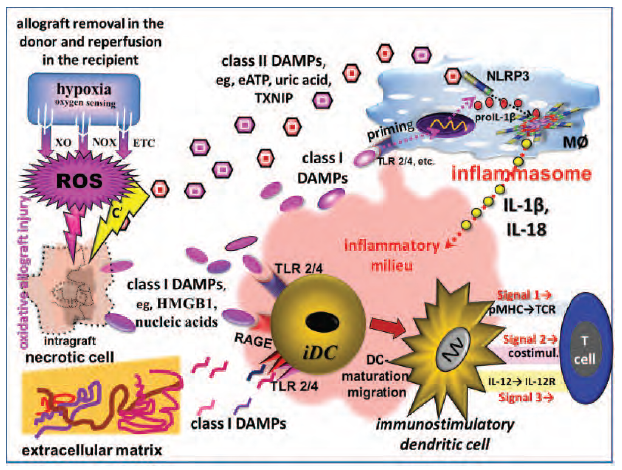
Figure 1. Scenario model of collaboration between class I DAMPs and class II
DAMPs contributing to the generation of immunostimulatory dendritic cells.
Reactive oxygen species generated by the 3 hypoxia-sensing, ROS-producing enzyme
systems (XO, NOX, ETC) and produced in the deceased (brain-dead) donor as well
as in the recipient during allograft reperfusion, lead to oxidative allograft
injury that is aggravated by concomitant ROS-induced complement activation.
Class I DAMPs (eg, HMGB1 or nucleic acids), released from severely damaged/dying
graft cells and damaged extracellular matrix compounds, get engaged by
recognition receptors such as TLRs and RAGE, thereby inducing maturation of
immunostimulatory dendritic cells. Class II DAMPs, either released from severely
damaged/dying graft cells (eg, eATP, uric acid microcrystals) or directly
induced by ROS (eg, TXNIP) activate the NLRP3 inflammasome (details, see Figure
2) that create an intragraft inflammatory milieu required for full metamorphosis
of iDCs into mature immunostimulatory dendritic cells.
Abbreviations: C’, complement; costimul, costimulatory molecules; eATP,
extracellular ATP; ETC, enzymes associated with the electron transport chain;
HMGB1, high-mobility group box 1; iDC, immature dendritic cell; MØ, macrophage;
NOX, NADPH oxidases; pMHC, peptide-MHC complex; RAGE, receptor of advanced
glycation end products; TCR, T-cell receptor; XO, xanthine oxidase
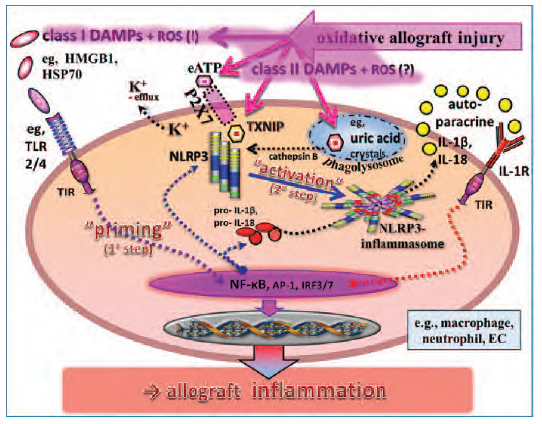
Figure 2. Scenario model of possible mechanisms involved in oxidative allograft
injury-induced NLrP3 inflammasome activation, ultimately resulting in
allograft inflammation
Reactive oxygen species generated in a brain-dead donor organism and during
allograft reperfusion in the recipient are involved in NLRP3 inflammasome
activation
by stimulating the priming step, although their general role in NLRP3 activation
(ie, including the activating step) cannot be excluded. Moreover, ROS may
directly
oxidize thioredoxin followed by release of TXNIP. The priming step (1° step) is
initiated by class I DAMPs to stimulate recognition receptors such as TLR2 and
TLR4.
NF-κB–dependent pathways then generate sufficient NLRP3 expression and
pro–IL-1β/pro–IL-18 levels that are required to process mature
IL-1β/IL-18 via the
inflammasome. Full activation of NLRP3 (initiating the 2° step) is suggested to
be provided by either TXNIP (direct binding?), or eATP (via binding of eATP to
the
purinergic receptor P2X7 leading to K+ efflux) and uric acid crystals (via
perturbing phagolysosomal processes to augment cathepsin B), both released from
severely
damaged/dying cells in the course of oxidative injury. The activated NLRP3 then
interacts with an adaptor molecule, ASC, and recruits pro-caspase-1 (both
molecules not shown in the Figure) assembling and forming a donut-shapelike
biochemical complex that cleaves pro–IL-1β and pro–IL-18 into their active,
secreted
forms.
Abbreviations:AP-1, activator protein-1; eATP, extracellular ATP; EC,
endothelial cell; HMGB1, high-mobility group box 1; HSP70, heat shock protein
70; IRF3/7, interferon regulatory factor 3/7; NF-κB, nuclear factor-kappaB;
TIR, Toll/interleukin-1-receptor domain; TXNIP, thioredoxin-interacting protein
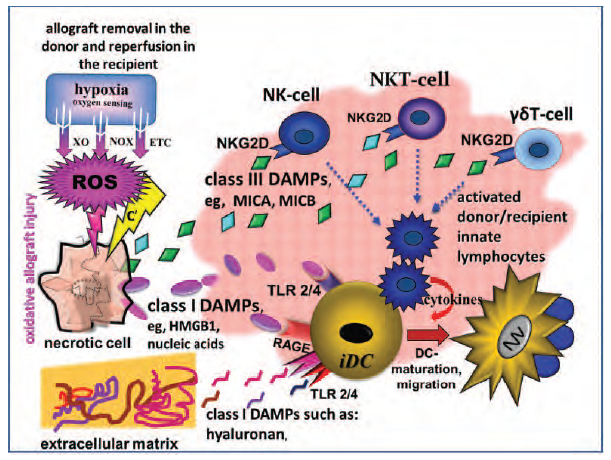
Figure 3. Scenario model of collaboration between class I DAMPs and class III
DAMPs contributing to the generation of immunostimulatory dendritic cells
Reactive oxygen species generated by the 3 hypoxia-sensing, ROS-producing enzyme
systems (XO, NOX, ETC), and produced in the deceased (brain-dead) donor
as well as in the recipient during allograft reperfusion, lead to oxidative
allograft injury that is aggravated by concomitant ROS-induced complement
activation.
Class I DAMPs (eg, HMGB1 or nucleic acids), released from severely damaged/dying
graft cells and damaged extracellular matrix compounds, get engaged by
recognition receptors such as TLRs and RAGE, thereby inducing maturation of
immunostimulatory dendritic cells. Moreover, oxidative allograft injury induces
expression of class III DAMPs such as MICA and MICB on graft cells (cellular
expression not shown in the Figure) and/or their secretion. Acting as endogenous
ligands, MICA and MICB bind to the activating receptor NKG2D on innate
lymphocytes (NK cells, NKT cells, γδ T cells). Activated innate
lymphocytes, then,
contribute to DC maturation via direct cell-to-cell contact and secretion of
cytokines.
Abbreviations: C’, complement; ETC, enzymes associated with the electron
transport chain; HMGB1, high-mobility group box 1; iDC, immature dendritic cell;
MICA/B, MHC class-I-chain-related protein A/B; NK cell, natural killer cell,
NKG2D, natural-killer group 2, member D; NKT cell, natural killer T cell; NOX,
NADPH oxidases; RAGE, receptor of advanced glycation end products; XO, xanthine
oxidase
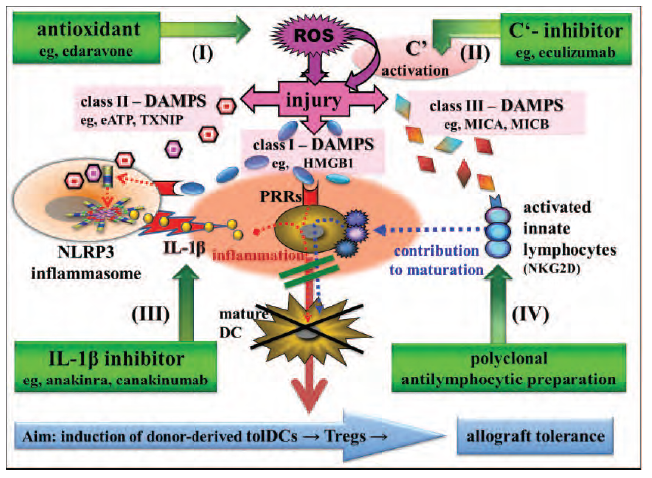
Figure 4. Proposal of a clinical proof-of-concept trial in deceased organ donors
A quadruple drug treatment of brain-dead donors is proposed aimed at inhibiting
oxidative injury-induced, innate immune-mediated inflammation of donor
organs. The aim of such a therapeutic strategy is to generate donor-derived
tolerogenic dendritic cells in donor organs which, after transplantation,
promote
induction of regulatory T cells in the recipient resulting in allotolerance.
Abbreviations: C’, complement; eATP, extracellular ATP; HMGB1, high-mobility
group box 1; MICA/B, MHC class-I-chain-related protein A/B; NKG2D, naturalkiller
group 2, member D; PRRs, pattern recognition receptors; tolDCs, tolerogenic
dendritic cells; Tregs, regulatory T cells; TXNIP, thioredoxin-interacting
protein