Volume: 8 Issue: 4 December 2010
FULL TEXT
Sorafenib As Adjuvant Therapy For High-Risk Hepatocellular Carcinoma in Liver Transplant Recipients: Feasibility and Efficacy
Objectives: Liver transplant can be a definitive treatment for hepatocellular carcinoma. However, recurrence limits long-term survival. Sorafenib is the first agent to improve survival for patients with advanced hepatocellular carcinoma.
Materials and Methods: A retrospective, case- control match analysis was performed, along with assessment of safety and tolerability. The endpoints of the study were recurrence incidence, episodes of rejection, and disease-free overall survival. Eight patients who underwent liver transplant for hepatocellular carcinoma between May 2007 and April 2009, and tolerated adjuvant therapy with sorafenib were matched with patients who did not receive sorafenib according to age, sex, year of transplant, tumor burden, and presence of vascular invasion.
Results: During follow-up, there were no episodes of rejection in either group. Eight patients were able to tolerate a predetermined duration of therapy. During a mean (± standard deviation [SD]) follow-up of 17.75 ± 6.26 months, 1 of 8 patients (12.5%) treated with sorafenib developed hepatocellular carcinoma recurrence. During a mean (± SD) follow-up of 31.63 months (± 22.30 months), 4 of 8 matched controls (50.0%) developed hepatocellular carcinoma recurrence. Disease-free 1-year survival for sorafenib and control group was 85.7% and 57.1%. Overall, 1-year survival for sorafenib and control group was 87.5% and 62.5%.
Conclusions: Our study demonstrates the safety and potential benefit of sorafenib in reducing the incidence of hepatocellular carcinoma recurrence and in extending disease-free and overall survival for high-risk liver transplant recipients. A prospective trial is needed to fully assess the role sorafenib as prophylaxis against hepatocellular carcinoma recurrence.
Key words : Hepatocellular carcinoma; Liver transplantation
Hepatocellular carcinoma is one of the most-common malignancies in the world, and the third most-frequent cause of cancer-related death (1). Hepatocellular carcinoma usually develops in the background of cirrhosis, and is thus, potentially cured by liver transplant (2, 3). Liver transplant not only removes the tumor, but it deals with the setting from which it arose. Thus, liver transplant has been increasingly used for the treatment of cirrhosis complicated by hepatocellular carcinoma.
Initial experience of liver transplant in patients with hepatocellular carcinoma was disappointing, with patient survival compromised by recurrent tumors (4-8). Patient survival improved as criteria for listing was better defined (9). With this predetermined criteria in selecting liver transplant candidates, Mazzaferro and colleagues showed an overall, 4-year, actuarial survival rate and nonrecurrence rate of 75% and 83%. Other classification systems have been developed, but undoubtedly, as the acceptable tumor burden increases, the risk of recurrent hepatocellular carcinoma increases and patient survival decreases (10, 11). One exception is the University of California, San Francisco criteria that allows for greater tumor burden without significantly compromising long-term survival if patients could be down-staged to meet the Milan criteria, or if UCSF criteria was strictly adhered to on explant pathology (12).
Hepatocellular carcinoma recurrence in liver transplant recipients ranges from 6.4% to 56.5% (13-22). Tumor size and presence of microvascular invasion have been shown repeatedly to be the 2 prominent risk factors associated with increased hepatocellular carcinoma recurrence and lower overall survival (18, 23-40). A recent study found that 3-year survival for patients exceeding UCSF criteria and with presence of microvascular invasion was 15%, while 3-year survival for patients without those 2 independent risk factors was 96% (40). Additionally, it has been shown that increasing tumor size and poor differentiation predicts vascular invasion (41, 42). For patients considered to be high-risk for recurrence, the use of adjuvant chemotherapy has not been shown to improve patient outcome.
Although an earlier study demonstrated improved survival in high-risk liver-transplant recipients treated with 6 months of intravenous fluorouracil, doxorubicin, the comparison group was a historical cohort and has not been prospectively assessed (43). Other studies have not shown this benefit in the adjuvant setting (44-47). Most recently, the use of neoadjuvant chemotherapy also has not shown to be beneficial in a prospective, randomized trial (48). Pretransplant transarterial chemoembolization also has not been shown to reduce recurrence (49-52).
Treatment strategies in liver-transplant recipients with recurrent hepatocellular carcinoma are limited, usually because of systemic metastases (53). Aggressive surgical intervention is limited to the small percentage of patients with resectable hepatic or extrahepatic tumor burden (54-56). One recent observation suggests that sorafenib may have a role in the treatment of recurrent hepatocellular carcinoma after liver transplant (57). Sorafenib is an oral, multitargeted, tyrosine kinase inhibitor of the vascular endothelial growth factor receptor, raf kinase, and platelet-derived growth factor receptor has been shown in 2 randomized Phase III studies to improve survival in advanced hepatocellular carcinoma (58, 59). Given the survival benefit in patients treated with sorafenib for advanced hepatocellular carcinoma and the lack of established treatments for recurrent hepatocellular carcinoma, we assessed our experience using sorafenib in patients at high risk for recurrence after liver transplant.
Although not proven, we hypothesized that patients undergoing a liver transplant and with high-risk features on explant pathology may have prolonged disease-free survival with the use of sorafenib in the adjuvant setting. Currently there are randomized studies evaluating the safety and efficacy of sorafenib after curative resection (60). Here, we describe our experience in regards to safety, tolerability, and preliminary efficacy analysis in a liver transplant population.
Materials and Methods
Patients
We retrospectively analyzed clinical data from 8 patients who received adjuvant
sorafenib after liver transplant for hepatocellular carcinoma performed between
May 2007 and April 2009. Preoperative diagnosis of hepatocellular carcinoma was
performed through imaging modalities including computed tomography and magnetic
resonance imaging scans, according to the American Association for the Study of
Liver Diseases guidelines (61). Biopsies are rarely performed before liver
transplant. Patients who were found to have macrovascular invasion or positive
lymph nodes or metastases on explant pathology were excluded. Patients were
excluded if they received other forms of systemic chemotherapy adjuvantly or
neoadjuvantly. Patients who died within the first 4 months after transplant for
other reasons (besides recurrence) were excluded. All protocols, experimental
studies, and clinical trials involving human subjects were approved by the
Ethics Committee of the Institution before the study began, and the protocols
conformed to the ethical guidelines of the 1975 Helsinki Declaration.
The 8 patients considered for treatment with adjuvant sorafenib based on presence of poor tumor differentiation, tumor staging beyond the Milan criteria, and presence of lymphovascular invasion, along with requirement of oncology follow-up with imaging studies. Clinical data obtained includes cirrhotic liver status, hepatitis B virus status, hepatitis C virus status, other causes of cirrhosis, presence of pretransplant treatments, and dosing and course of sorafenib administered. Explant tumors were staged using the Modified Tumor-Node-Metastases classification (62, 63). Explant tumor differentiation was classified using Edmondson-Steiner classification system (64).
Patients treated with sorafenib were followed closely for adverse effects, along with monitoring of complete blood count and metabolic panel, with reductions in dosing and discontinuation when poorly tolerated. These 8 patients all tolerated at least 7 of the first 8 weeks of therapy. Patients who did not tolerate this duration of therapy were not included in this study. The goal minimum duration of therapy was 6 months. These patient cases were matched for case controls for age (± 10 years), sex, year of transplant (± 5 years), exceeding Milan criteria, and presence of microvascular invasion. The case controls were derived from both historical controls between January 2003 to April 2007 predating use of sorafenib in patients receiving no adjuvant chemotherapy, along with patients receiving liver transplant between May 2007 and April 2009 who elected to not receive sorafenib. Matching was performed with blinding of patient outcomes.
Immunosuppression and prophylaxis
Immunosuppression regimens after liver transplant consisted of combinations of
cyclosporine, prednisone, tacrolimus, sirolimus, and mycophenolate mofetil.
According to our protocol, patients initially received 1 g of intravenous
methylprednisolone the day of transplant; this was then tapered to 20 mg/d over
1 week. Oral prednisone was subsequently started at 20 mg/d and tapered as
tolerated. All patients were treated with trimethoprim-sulfamethoxazole for 1
year. Our protocol for posttransplant target immunosuppression levels has been
previously described (65). Patients were followed closely for signs and symptoms
of allograft rejection.
Surveillance for hepatocellular carcinoma recurrence
After transplant, patients with known hepatocellular carcinoma were followed
regularly in the outpatient hepatology and liver-cancer clinics. Per our program
guidelines, surveillance with computed tomography images was obtained at 3
months, 6 months, 12 months, and annually thereafter. Alpha-fetoprotein levels
were followed as well. If there was concern for hepatocellular carcinoma
recurrence, whole body computed tomography/magnetic resonance imaging, and
positron emission tomography scan, was ordered at the discretion of the
physician. All recurrent hepatocellular carcinomas were confirmed with tissue
diagnosis when appropriate.
Statistical analyses
Mean and standard deviations were used for descriptive statistics. Formal
statistical analyses were not performed because of the small number of patients.
Results
Demographics
A retrospective review of our liver transplant database was performed for 222
patients who underwent liver transplant for hepatocellular carcinoma between
January 2006 and April 2009 at the Pfleger Liver Institute. A total of 8
patients were found to have received sorafenib treatment as adjuvant prophylaxis
owing to high-risk features found on explant pathology and tolerated it for at
least 7 of the first 8 weeks of therapy. Table 1 outlines the patient
demographics at the time of transplant for the 8 patients meeting the duration
criteria and 8 control matches. Table 2 details the explant pathology
characteristics for the 2 groups. The mean follow-up is 17.75 months (± 6.26
months) for the sorafenib group and 31.63 months (± 22.30 months) for the
control group. Mean follow-up for living patients in the sorafenib group is
21.80 months
(± 4.23 months).
Tolerability and safety
All patients were initiated on sorafenib between 6 and 12 weeks after liver
transplant. All patients initiated on 400 mg twice daily were unable to tolerate
this dosing and eventually required a dosage reduction. Owing to this early
experience, the last 6 patients were initiated on 200 mg twice daily. Overall, 6
of 8 patients (75%) included in the study required a dosage reduction. One
patient tolerated a dosage increase to 400 mg twice daily 4 weeks after
initiation of therapy. Six patients (75%) completed a 6-month course of
sorafenib and 1 of these patients (12.5%) completed a 10-month course. Five of
these 6 patients (83.3%) did not have hepatocellular carcinoma recurrence. One
patient receiving sorafenib died secondary to Cytomegalovirus viremia and
subsequent multiorgan system failure. This patient did have grade 3 neutropenia
on 400 mg twice daily dosing, which resolved completely with reduction to 200 mg
twice daily. This patient last had neutropenia 2 months before presentation with
Cytomegalovirus viremia and did not have any cytopenias at the time of
presentation. Sorafenib was discontinued at the time of admission, and the
patient died 2 months after admission.
Six of 8 patients could tolerate a 6-month course of sorafenib. One patient in the sorafenib group had sorafenib discontinued after 8 weeks owing to mildly elevated liver tests, which resolved incompletely with discontinuation, with persistent elevation consistent with recurrent hepatitis C. The patient in the sorafenib group who died of Cytomegalovirus viremia had 14 weeks of therapy before discontinuation at time of hospitalization. A third patient in the sorafenib group died at 14 months after liver transplant secondary to recurrent hepatitis C and development of acute renal failure. This patient was found to have recurrent hepatitis C on initial posttransplant liver biopsy. There was no evidence of disease recurrence at time of death.
Recurrence
One patient in sorafenib group (12.5%) and 4 patients in control group (50%) had
hepatocellular carcinoma recurrence during follow-up. Overall, 4 of 5 patients
(80%) with recurrence had hepatocellular carcinoma recurrence within the first
year. Of patients with recurrence, 1 patient in the sorafenib group (100%) and 3
of 4 of the control group (75%) had a recurrence in the first year. The final
patient in the control group had recurrence at 26 months. The mean time to
recurrence for hepatocellular carcinoma for sorafenib and control group was 5.0
and 11.3 months (± 9.2 months), respectively. Disease-free, 1-year survival for
sorafenib and control group was 85.7% and 57.1%. All patients within the
sorafenib group without recurrence had at least 16 months of follow-up after
liver transplant. One patient in the control group who developed recurrence in
the lung at 12 months underwent a surgical resection, and is now living without
evidence of recurrence at 33 months’ follow-up.
Survival
Three patients in the sorafenib group (37.5%) and 4 patients in the control
group (50.0%) died during follow-up. Overall survival for the sorafenib and
control groups during follow-up was 62.5% and 50%. Overall, 1-year survival for
sorafenib and control group was 87.5% and 62.5%. Each group had 1 patient die of
nonhepatocellular carcinoma recurrence causes in the first year, both at 6
months after liver transplant. The patient in the sorafenib group died of
Cytomegalovirus viremia and eventual multisystem organ failure. He was not
neutropenic or lymphopenic at the time of diagnosis. The patient in the control
group died of bacterial sepsis and resulting multisystem organ failure. A second
patient in the sorafenib group died of recurrent hepatitis C and acute renal
failure 14 months after liver transplant.
Discussion
With application of Milan and UCSF criteria to liver transplant for hepatocellular carcinoma eligibility, long-term survival has significantly improved (9, 10). Despite these advancements, there continues to be minimal improvement in reducing hepatocellular carcinoma recurrence for those patients found on explant to have microvascular invasion and pathology exceeding Milan (and UCSF) criteria. This is the first report to describe the potential role of sorafenib as adjuvant therapy in reducing hepatocellular carcinoma recurrence after liver transplant for patients at high risk for recurrence. With careful management, it is feasible to deliver sorafenib at dosages used in the registration studies in advanced hepatocellular carcinoma. Though a small group of patients, the case matches analysis demonstrates a 75% relative risk reduction of hepatocellular carcinoma recurrence for patients treated with sorafenib.
Lai and associates recently reported a 5-year recurrence rate of 63% for patients with microvascular invasion, 68% for patients exceeding UCSF criteria, and 79% for those patients with both features (40). Our study showed results of 57%, 43%, and 50% for the control group and 0%, 17%, and 0% for the sorafenib group. Yao and colleagues showed 50% 1-year recurrence for patients exceeding UCSF criteria on pathology (12). In validation of UCSF criteria with preoperative imaging, Yao and colleagues showed a 40% 5-year recurrence rate for patients exceeding UCSF criteria (64). Our control group recurrence rates compare well with these historical controls, giving confidence that this group represents the natural history of hepatocellular carcinoma transplanted beyond accepted criteria.
Safety and tolerability analysis cannot be fully assessed in a retrospective study. This study showed that no patient could tolerate full dosing of sorafenib at 400 mg twice daily as initial dosing. Cytopenias, hand-foot skin reaction, diarrhea, and fatigue were most common at this dosing and generally improved with dosage reduction. One patient could be dose-escalated to 400 mg twice daily after initial 4 weeks on 200 mg twice daily. It is hypothesized that significant immunosuppression and increased potential for drug-drug interactions in the posttransplant setting contributes to this intolerance of 400 mg twice daily dosing. Better patient compliance and duration of therapy was noted in patients initiated on lower dosage of 200 mg twice daily. It is also unclear how dosage reduction affects clinical efficacy in the liver transplant population. Future investigations of sorafenib in this patient population should consider this lower starting treatment dosage, with a dosage escalation as tolerated. It is reassuring that no cases of allograft rejection occurred in sorafenib group and that no increase in clinically significant infections occurred in the sorafenib group compared with the control group in this already immunocompromised population.
Limitations of this study include its retrospective analysis and small number of patients treated with sorafenib. Additionally, this study is the experience of a single liver transplant center only. Owing to sorafenib only being FDA-approved for metastatic or unresectable hepatocellular carcinoma in November 2007, the application in the adjuvant setting is limited to the past 2 years only. This fundamental limitation results in a shorter sorafenib follow-up compared with the control group. Additionally, the overwhelming majority of patients with high-risk features opted to pursue adjuvant sorafenib, limiting potential case controls during same time. Secondary to this short follow-up, the study may not be capturing future recurrences. However, 3 of 4 patients in our control group had recurrence within the first 12 months after liver transplant, and all patients in the sorafenib group had at least 16 months’ follow-up. It is also possible that sorafenib is delaying onset of recurrence and therefore extended follow-up may find additional recurrences. A multicenter study would be required to obtain a larger population of patients, as few patients are transplanted for hepatocellular carcinoma each year at each center, which are then found to have vascular invasion and tumor pathology exceeding Milan criteria.
Our findings suggest a possible therapeutic role for sorafenib in extending survival after recurrence and overall survival. This adjuvant chemotherapy was not tolerated well at full dosing. Initial dosage reduction of sorafenib should be strongly considered in the posttransplant population, given concomitant immunosuppression. A prospective, multicenter trial is needed to further evaluate this retrospective study’s results, as well as to better assess safety and tolerability in an immunosuppressed population of patients.
References:
- Parkin DM, Bray F, Ferlay J, Pisani P. Estimating the world cancer burden: Globocan 2000. Int J Cancer. 2001;94(2):153-156.
- Colombo M. Risk groups and preventive strategies. In: Berr F, Bruix J, Hauss J, Wands J, Wittekind Ch, eds. Malignant Liver Tumors: Basic Concepts and Clinical Management. Dordrecht: Kluwer Academic Publishers BV and Falk Foundation; 2003:67-74.
- Llovet JM, Burroughs A, Bruix J. Hepatocellular carcinoma. Lancet. 2003;362(9399):1907-1917.
- Calne R, Yamanoi A, Oura S, Kawamura M. Liver transplantation for hepatocarcinoma. Surg Today. 1993;23(1):1-3.
- Yokoyama I, Todo S, Iwatsuki S, Starzl TE. Liver transplantation in the treatment of primary liver cancer. Hepatogastroenterology. 1990;37(2):188-193.
- Gugenheim J, Baldini E, Casaccia M, Ouzan D, Saint-Paul MC, Mouiel J. Hepatic resection and transplantation for hepatocellular carcinoma in patients with cirrhosis [in French]. Gastroenterol Clin Biol. 1997;21(8-9):590-595.
- Bismuth H, Chiche L, Adam R, Castaing D, Diamond T, Dennison A. Liver resection versus transplantation for hepatocellular carcinoma in cirrhotic patients. Ann Surg. 1993;218(2):145-151.
- O'Grady JG, Polson RJ, Rolles K, Calne RY, Williams R. Liver transplantation for malignant disease. Results in 93 consecutive patients. Ann Surg. 1988;207(4):373-379.
- Mazzaferro V, Regalia E, Doci R, Andreola S, Pulvirenti A, Bozzetti F, et al. Liver transplantation for the treatment of small hepatocellular carcinomas in patients with cirrhosis. N Engl J Med. 1996;334(11):693-699.
- Yao FY. Liver transplantation for hepatocellular carcinoma: beyond the Milan criteria. Am J Transplant. 2008;8(10):1982-1989.
- Llovet JM, Schwartz M, Mazzaferro V. Resection and liver transplantation for hepatocellular carcinoma. Semin Liver Dis. 2005;25(2):181-200.
- Yao FY, Ferrell L, Bass NM, Watson JJ, Bacchetti P, Venook A, et al. Liver transplantation for hepatocellular carcinoma: expansion of the tumor size limits does not adversely impact survival. Hepatology. 2001;33(6):1394-1403.
- Roayaie S, Schwartz JD, Sung MW, Emre SH, Miller CM, Gondolesi GE, et al. Recurrence of hepatocellular carcinoma after liver transplant: patterns and prognosis. Liver Transpl. 2004;10(4):534-540.
- Marsh JW, Dvorchik I, Subotin M, Balan V, Rakela J, Popechitelev EP, et al. The prediction of risk of recurrence and time to recurrence of hepatocellular carcinoma after orthotopic liver transplantation: a pilot study. Hepatology. 1997;26:444-450.
- Regalia E, Fassati LR, Valente U, Pulvirenti A, Damilano I, Dardano G, et al. Pattern and management of recurrent hepatocellular carcinoma after liver transplantation. J Hepatobiliary Pancreat Surg. 1998;5(1):29-34.
- Schlitt HJ, Neipp M, Weimann A, Oldhafer KJ, Schmoll E, Boeker K, et al. Recurrence patterns of hepatocellular and fibrolamellar carcinoma after liver transplantation. J Clin Oncol. 1999;17(1):324-331.
- Shimoda M, Ghobrial RM, Carmody IC, Anselmo DM, Farmer DG, Yersiz H, et al. Predictors of survival after liver transplantation for hepatocellular carcinoma associated with Hepatitis C. Liver Transpl. 2004;10(12):1478-1486.
- Hemming AW, Cattral MS, Reed AI, Van Der Werf WJ, Greig PD, Howard RJ. Liver
transplantation for hepatocellular carcinoma. Ann Surg. 2001;233(5):652-659.
- Leung JY, Zhu AX, Gordon FD, Pratt DS, Mithoefer A, Garrigan K, et al. Liver transplantation outcomes for early-stage hepatocellular carcinoma: results of a multicenter study. Liver Transpl. 2004;10(11):1343-1354.
- Margarit C, Charco R, Hidalgo E, Allende H, Castells L, Bilbao I. Liver transplantation for malignant diseases: selection and pattern of recurrence. World J Surg. 2002;26(2):257-263.
- Zavaglia C, De Carlis L, Alberti AB, Minola E, Belli LS, Slim AO, et al. Predictors of long-term survival after liver transplantation for hepatocellular carcinoma. Am J Gastroenterol. 2005;100(12):2708-2716.
- Yoo HY, Patt CH, Geschwind JF, Thuluvath PJ. The outcome of liver transplantation in patients with hepatocellular carcinoma in the United States between 1988 and 2001: 5-year survival has improved significantly with time. J Clin Oncol. 2003;21(23):4329-4335.
- Onaca N, Davis GL, Jennings LW, Goldstein RM, Klintmalm GB. Improved results of transplantation for hepatocellular carcinoma: a report from the International Registry of Hepatic Tumors in Liver Transplantation. Liver Transpl. 2009;15(6):574-580.
- Klintmalm GB. Liver transplantation for hepatocellular carcinoma: a registry report of the impact of tumor characteristics on outcome. Ann Surg. 1998;228(4):479-490.
- De Carlis L, Giacomoni A, Pirotta V, Lauterio A, Slim AO, Sammartino C, et al. Surgical treatment of hepatocellular cancer in the era of hepatic transplantation. J Am Coll Surg. 2003;196(6):887-897.
- De Carlis L, Giacomoni A, Lauterio A, Slim A, Sammartino C, Pirotta V, et al. Liver transplantation for hepatocellular cancer: should the current indication criteria be changed? Transpl Int. 2003;16(2):115-122.
- Tamura S, Kato T, Berho M, Misiakos EP, O'Brien C, Reddy KR, et al. Impact of histological grade of hepatocellular carcinoma on the outcome of liver transplantation. Arch Surg. 2001;136(1):25-30; discussion 31.
- Medina-Franco H, Sellers MT, Eckhoff DE, Bynon JS, Urist MM, Heslin MJ. Multimodality treatment for patients with hepatocellular carcinoma: analysis of prognostic factors in a single Western institution series. J Gastrointest Surg. 2001;5(6):638-645.
- Margarit C, Charco R, Hidalgo E, Allende H, Castells L, Bilbao I. Liver transplantation for malignant diseases: selection and pattern of recurrence. World J Surg. 2002;26(2):257-263.
- Jonas S, Bechstein WO, Steinmüller T, Herrmann M, Radke C, Berg T, et al. Vascular invasion and histopathologic grading determine outcome after liver transplantation for hepatocellular carcinoma in cirrhosis. Hepatology. 2001;33(5):1080-1086.
- Figueras J, Ibañez L, Ramos E, Jaurrieta E, Ortiz-de-Urbina J, Pardo F, et al. Selection criteria for liver transplantation in early-stage hepatocellular carcinoma with cirrhosis: results of a multicenter study. Liver Transpl. 2001;7(10):877-883.
- Belli LS, Caccamo L, Mazzaferro V, Silini E, Alberti A, Melada E, et al. Milan multicenter experience in liver transplantation for hepatitis C-related cirrhosis: report of 105 cases. Transplant Proc. 1994;26(6):3582-3584.
- Molmenti EP, Klintmalm GB. Liver transplantation in association with hepatocellular carcinoma: an update of the International Tumor Registry. Liver Transpl. 2002;8(9):736-748.
- Iwatsuki S, Dvorchik I, Marsh JW, Madariaga JR, Carr B, Fung JJ, et al. Liver transplantation for hepatocellular carcinoma: a proposal of a prognostic scoring system. J Am Coll Surg. 2000;191(4):389-394.
- Llovet JM, Burroughs A, Bruix J. Hepatocellular carcinoma. Lancet. 2003;362(9399):1907-1917.
- Salizzoni M, Romagnoli R, Lupo F, David E, Mirabella S, Cerutti E, et al. Microscopic vascular invasion detected by anti-CD34 immunohistochemistry as a predictor of recurrence of hepatocellular carcinoma after liver transplantation. Transplantation. 2003;76(5):844-848.
- Figueras J, Jaurrieta E, Valls C, Ramos E, Serrano T, Rafecas A, et al. Resection or transplantation for hepatocellular carcinoma in cirrhotic patients: outcomes based on indicated treatment strategy. J Am Coll Surg. 2000;190(5):580-587.
- Marsh JW, Dvorchik I, Bonham CA, Iwatsuki S. Is the pathologic TNM staging system for patients with hepatoma predictive of outcome? Cancer. 2000;88(3):538-543.
- Bigourdan JM, Jaeck D, Meyer N, Meyer C, Oussoultzoglou E, Bachellier P, et al. Small hepatocellular carcinoma in Child A cirrhotic patients: hepatic resection versus transplantation. Liver Transpl. 2003;9(5):513-520.
- Lai Q, Merli M, Ginanni Corradini S, Mennini G, Gentili F, Molinaro A, et al. Predictive factors of recurrence of hepatocellular carcinoma after liver transplantation: a multivariate analysis. Transplant Proc. 2009;41(4):1306-1309.
- Zimmerman MA, Trotter JF, Wachs M, Bak T, Campsen J, Wright F, et al. Predictors of long-term outcome following liver transplantation for hepatocellular carcinoma: a single-center experience. Transpl Int. 2007;20(9):747-753.
- Pawlik TM, Delman KA, Vauthey JN, Nagorney DM, Ng IO, Ikai I, et al. Tumor size predicts vascular invasion and histologic grade: Implications for selection of surgical treatment for hepatocellular carcinoma. Liver Transpl. 2005;11(9):1086-1092.
- Olthoff KM, Rosove MH, Shackleton CR, Imagawa DK, Farmer DG, Northcross P, et al. Adjuvant chemotherapy improves survival after liver transplantation for hepatocellular carcinoma. Ann Surg. 1995;221(6):734-741; discussion 731-743. Erratum in: Ann Surg 1996;224(5):686.
- Carr BI, Selby R, Madariaga J, Iwatsuki S, Starzl TE. Prolonged survival after liver transplantation and cancer chemotherapy for advanced-stage hepatocellular carcinoma. Transplant Proc. 1993;25(1 Pt 2):1128-1129.
- Stone MJ, Klintmalm GB, Polter D, Husberg BS, Mennel RG, Ramsay MA, et al. Neoadjuvant chemotherapy and liver transplantation for hepatocellular carcinoma: a pilot study in 20 patients. Gastroenterology. 1993;104(1):196-202.
- De la Revilla NJ, Moreno JM, Rubio E, de Herreros TA, Navarrete E, Lopez MJ, et al. Usefulness of chemotherapy as prophylaxis of tumor recurrence after liver transplantation in advanced hepatocellular carcinomas. Transplant Proc. 2003;35(5):1830-1831.
- Pokorny H, Gnant M, Rasoul-Rockenschaub S, Gollackner B, Steiner B, Steger G, et al. Does additional doxorubicin chemotherapy improve outcome in patients with hepatocellular carcinoma treated by liver transplantation? Am J Transplant. 2005;5(4 Pt 1):788-794.
- Söderdahl G, Bäckman L, Isoniemi H, Cahlin C, Höckerstedt K, Broomé U, et al. A prospective, randomized, multi-centre trial of systemic adjuvant chemotherapy versus no additional treatment in liver transplantation for hepatocellular carcinoma. Transpl Int. 2006;19(4):288-294.
- Pérez Saborido B, Meneu JC, Moreno E, García I, Moreno A, Fundora Y. Is transarterial chemoembolization necessary before liver transplantation for hepatocellular carcinoma? Am J Surg. 2005;190(3):383-387.
- Oldhafer KJ, Chavan A, Frühauf NR, Flemming P, Schlitt HJ, Kubicka S, et al. Arterial chemoembolization before liver transplantation in patients with hepatocellular carcinoma: marked tumor necrosis, but no survival benefit? J Hepatol. 1998;29(6):953-959.
- Majno PE, Adam R, Bismuth H, Castaing D, Ariche A, Krissat J, et al. Influence of preoperative transarterial lipiodol chemoembolization on resection and transplantation for hepatocellular carcinoma in patients with cirrhosis. Ann Surg. 1997;226(6):688-701; discussion 701-703.
- Lesurtel M, Müllhaupt B, Pestalozzi BC, Pfammatter T, Clavien PA. Transarterial chemoembolization as a bridge to liver transplantation for hepatocellular carcinoma: an evidence-based analysis. Am J Transplant. 2006;6(11):2644-2650.
- Schwartz M, Konstadoulakis M, Roayaie S. Recurrence of hepatocellular carcinoma after liver transplantation: is immunosuppression a factor? Liver Transpl. 2005;11(5):494-496.
- Roayaie S, Frischer JS, Emre SH, Fishbein TM, Sheiner PA, Sung M, et al. Long-term results with multimodal adjuvant therapy and liver transplantation for the treatment of hepatocellular carcinomas larger than 5 centimeters. Ann Surg. 2002;235(4):533-539.
- Schlitt HJ, Neipp M, Weimann A, Oldhafer KJ, Schmoll E, Boeker K, et al. Recurrence patterns of hepatocellular and fibrolamellar carcinoma after liver transplantation. J Clin Oncol. 1999;17(1):324-331.
- Regalia E, Fassati LR, Valente U, Pulvirenti A, Damilano I, Dardano G, et al. Pattern and management of recurrent hepatocellular carcinoma after liver transplantation. J Hepatobiliary Pancreat Surg. 1998;5(1):29-34.
- Yeganeh M, Finn RS, Saab S. Apparent remission of a solitary metastatic pulmonary lesion in a liver transplant recipient treated with sorafenib. Am J Transplant. 2009;9(12):2851-2854.
- Llovet JM, Ricci S, Mazzaferro V, Hilgard P, Gane E, Blanc JF, et al. Sorafenib in advanced hepatocellular carcinoma. N Engl J Med. 2008;359(4):378-390.
- Cheng AL, Kang YK, Chen Z, Tsao CJ, Qin S, Kim JS, et al. Efficacy and safety of sorafenib in patients in the Asia-Pacific region with advanced hepatocellular carcinoma: a phase III randomised, double-blind, placebo-controlled trial. Lancet Oncol. 2009;10:25-34.
- Printz C. Clinical trials of note. Sorafenib as adjuvant treatment in the prevention of disease recurrence in patients with hepatocellular carcinoma (HCC) (STORM). Cancer. 2009;115(20):4646.
- Bruix J, Sherman M; Practice Guidelines Committee, American Association for the Study of Liver Diseases. Management of hepatocellular carcinoma. Hepatology. 2005;42(5):1208-1236.
- TNM Classification of Malignant Tumours (UICC International Union Against Cancer). Sobin LH, Gospodarowicz MK, Wittekind C, eds. 5th ed. New York, Wiley-Liss; 1997:74-77.
- Chang Liu, Qifei Wu, Bo Wang, Zheng Wu, Xuemin Liu, Xiaogang Zhang, et al. Combined pancreatoduodenectomy and orthotopic liver transplantation for hepatocellular carcinoma with portal vein tumor thrombus: A case report. The Chinese-German Journal of Clinical Oncology. 2009;8(12):734-736.
- Edmondson HA, Steiner PE. Primary carcinoma of the liver: a study of 100 cases among 48,900 necropsies. Cancer. 1954;7(3):462-503.
- Saab S, Chang AJ, Comulada S, Geevarghese SK, Anselmo RD, Durazo F, et al. Outcomes of hepatitis C- and hepatitis B core antibody-positive grafts in orthotopic liver transplantation. Liver Transpl. 2003;9(10):1053-1061.
- Yao FY, Xiao L, Bass NM, Kerlan R, Ascher NL, Roberts JP. Liver transplantation for hepatocellular carcinoma: validation of the UCSF-expanded criteria based on preoperative imaging. Am J Transplant. 2007;7(11):2587-2596.
Volume : 8
Issue : 4
Pages : 307 - 313
From the 1Departments of Medicine, 2Surgery, and
3Hematology/Oncology at the
University of California at Los Angeles, Los Angeles, CA, USA
Acknowledgments: We acknowledge Jim Tung, Carolyn Britten, and Saeed Sadeghi for
their contributions to this study. We appreciate the assistance of the UCLA
Liver Transplant coordinators for their dedicated stewardship in care of these
patients.
Address reprint requests to: Sammy Saab, MD, MPH, AGAF, Pfleger Liver Institute,
UCLA Medical Center, 200 Medical Plaza, Suite 214, Los Angeles, CA 90095
Phone: +1 310 206 6705
Fax: +1 310 206 4197
E-mail:
SSaab@mednet.ucla.edu
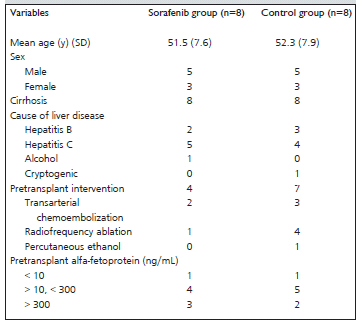
Table 1. Baseline demographic characteristics.
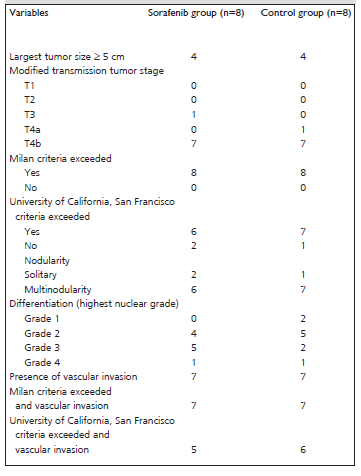
Table 2. Explant pathology characteristics.