Volume: 7 Issue: 3 September 2009
FULL TEXT
Objectives: Rehospitalization is a significant burden for transplant systems, which use data on hospitalization to monitor practice outcomes. In this study, all rehospitalizations after successful lung transplant performed in our medical center during an 8-year period were assessed for cause, health care resource use, cost, and outcome.
Materials and Methods: We performed a retrospective chart review of all rehospitalizations of lung transplant recipients in Masih Daneshvari Hospital in Darabad, Tehran, between 2000 and 2008. Baseline data (each patient’s age at transplant and rehospitalization, sex, primary lung disease, medications used), cause of rehospitalization (infection, graft rejection, surgical complications, type of infection), health care resources use (length of hospital stay, intensive care unit stay, physician visits, imaging), rehospitalization costs (accommodations, personnel, drugs, paraclinical [ie, laboratory] tests, supplies, procedures) and outcome (death, survival) were noted.
Results: In 69% of patients who were rehospitalized after having received a lung transplant, the cause was infection. Other causes were acute rejection in 31% and surgical complications in 6.9%. In 10.3% of those patients, the primary cause for rehospitalization could not be specified. The mean (SD) duration of rehospitalization was 12.8 ± 10.4 days. Treatment in the intensive care unit was necessary for 93.1% of the study subjects. The mean (SD) number of physician visits was 27.8 ± 27.7, and the fatality rate in the patients studied was 13.8%.
Conclusions: These data may guide the monitoring of the causes, burden, and outcomes of lung transplants performed in our medical center in Iran and in other medical centers.
Key words : Rehospitalization, Transplant, Lung transplant, Costs, Health care use
In-hospital data are generally accurate, and transplantologists often retrospectively review rehospitalization charts to determine the cause and outcome of readmission to the hospital and to evaluate the use of health care resources (1). The information in hospital databases is not skewed by the underdiagnoses and deficiencies that characterize surveillance systems in outpatient settings (2). In-hospital data have been shown to be reliable and to provide useful information about posttransplant morbidity (3). Posttransplant rehospitalization is costly for transplant systems. Data from posttransplant rehospitalization studies can be used to design interventions that can improve the allocation of health care resources (4). Information from a review of posttransplant rehospitalizations can be used to identify the causes of hospital readmissions as well as outcomes (5-8), to determine the risk factors for specific complications (9-12), to define health care practice patterns (13-15), and to indicate the need for the careful monitoring of patients with specific risk factors.
In this study, we investigated the causes, costs, use, and outcomes of rehospitalizations after lung transplant in the Shaheed Beheshti Medical University in Tehran, Iran.
Materials and Methods
In this retrospective study, which was approved by the Shahid Beheshti University of Medical Sciences, the hospitalization records and charts of all patients who received a lung transplant in the lung transplant center of Masih Daneshvari Hospital between 2000 and 2008 were reviewed. Study protocol was confirmed by the ethical review board of the university. Written informed consent was not needed because of the study was a retrospective chart review. We extracted baseline data (sex, medications, use of health care resources, length of hospital stay, treatment in the intensive care unit, number of physician visits, imaging), costs (total cost and the expense for accommodations, personnel, medications, paraclinical [ie, laboratory] tests, supplies, procedures, and miscellaneous services and items), and outcome (death or survival) from the hospital database. The patients’ charts were also reviewed to determine the cause for admission (infection, graft rejection, surgical complications, type of infection), age at transplant, age at rehospitalization, and the primary lung disease.
Masih Daneshvari Hospital is a university-based hospital and referral center for lung transplant and posttransplant follow-up in northern Tehran. Lung transplants have been performed in our hospital since 2000, and between that year and 2008, 28 such procedures have been performed there. At the time of this writing, Masih Daneshvari Hospital is the most active center for both lung transplants and respiratory disease research in Iran (16-20).
In our study, rehospitalization was defined as a hospital admission that occurred for any medical reason following the patient’s medical discharge after the initial transplant hospitalization (21-24). Hospitalization costs were divided into the following categories: accommodations, medications, surgical procedures, paraclinical tests, health care personnel time, imaging tests, special services (ie, patient transportation by ambulance), and miscellaneous services and items. The costs included direct medical expenses but not indirect costs (such as a loss of productivity due to disease-related absence from work). To facilitate international comparison, the costs in Iranian rials were converted to US dollars (conversion rate, USD $1 = 10 000 Iranian rials).
Statistical analysis
SPSS software (Statistical Product and Service Solutions, version 13, SSPS Inc,
Chicago, IL, USA) was used for statistical analysis in this study. Frequency,
mean (SD), and median were reported when appropriate.
Results
The mean age at transplant was 37.1 ± 9.6 years, and the median interval between transplant and rehospitalization was 206 days. Most of the rehospitalizations occurred during the first 12 months after transplant (48.3%) (Table 1)
Causes of rehospitalization
The most frequent causes of rehospitalization were infection (69.0% of patients)
and acute rejection (31%). In 20.7% of rehospitalized patients, infection and
acute rejection occurred concomitantly. The most common site of infection was
the lungs (85% of rehospitalized patients). Aspergillosis, which caused
membranous tracheobronchitis in 3 rehospitalized patients and pneumonia in 1 (Table
2).
Health care use during rehospitalization
The median duration of rehospitalization was 13 days, and most readmitted
patients remained in hospital for 1 to 9 days. The median number of physician
visits was 29; 58.6% of the patients required examination by surgeon; and 55.2%
required care from an anesthesiologist. The median numbers of radiographic,
echocardiographic, and histopathologic examinations were 7, 1 and 5. We found
that 62.1% of rehospitalized patients required physiotherapy during their
hospital stay.
Costs of rehospitalizations
The median cost of rehospitalization was USD $1492 (range, USD $183 to USD
$5071). The most significant expenses were medications (35.5% of the total cost)
and accommodations (25.6%) (Table 1).
Outcome
Our review revealed that 13.8% of the rehospitalized patients studied died
during their hospital stay. The cause for admission in 50% of those patients was
acute rejection and concomitant infection. All rehospitalized patients who died
during their hospital stay had been admitted to the transplant intensive care
unit. We found that 12.5% of the patients rehospitalized for infection, 22.2% of
those rehospitalized to treat acute rejection, and 33.3% of those rehospitalized
to treat concomitant infection and acute rejection died while hospitalized.
Discussion
The findings of this study showed that admitting hospitals must be prepared to provide a wide range of intensive care services for readmitted lung transplant recipients. The cost of rehospitalization after lung transplant was found to be comparable to the cost of the transplant procedure itself. Although infection was the most frequent cause of postlung transplant hospitalization, most deaths in rehospitalized patients were associated with acute rejection.
Serious complications frequently develop in lung transplant recipients, and the complex care they require increases the cost of readmission. Rigorously treating the pulmonary and nonpulmonary medical complications that develop in lung transplant patients and ensuring that the management of those recipients is undertaken by a multidisciplinary team are among the factors most essential to ensuring optimal long-term results (25).
A review of the literature on data similar to that provided in this study revealed that infection is one of the most common causes of morbidity and mortality after lung transplant (26). It has been reported that 21.2% and 40% of annual deaths after a lung transplant are due to infections that develop during the first 30 days and the first year after transplant, respectively. In the first month after surgery, bacterial pneumonia often caused by gram-negative organisms such as Pseudomonas develops in 35% to 70% of lung transplant patients (27). Community-acquired and nosocomial infections are important causes of morbidity in lung transplant recipients (26), and infections can also be transmitted from the donor to the recipient (28).
The high rate of infection in lung transplant patients is due, in part, to the excessive susceptibility of those individuals to infections from environmental microorganisms, the effects of immunosuppressive therapy, and clearance mechanisms damaged by the denervation of the transplanted lung.
A broad spectrum of microorganisms (Pseudomonas aeruginosa, Cytomegalovirus, community-acquired respiratory viruses, and Aspergillus) can infect the allograft after lung transplant (29). In our study, the pathogen identified most frequently in lung transplant recipients with a respiratory infection was Aspergillus, which caused pneumonia in 1 patient and membranous tracheobronchitis in 3 patients.
Some investigators have suggested that prophylactic antimicrobial regimens will reduce the risk of bacterial postlung transplant infections; however, many questions regarding efficacy of those strategies and methods remain unanswered (29). Antiviral medications may prevent infection with Cytomegalovirus (30). However, transplant centers use various preventive strategies to reduce infections in their patients.
In our series, most rehospitalizations (especially those due to infections) occurred during the first year after transplant, and that finding was supported in the literature (31-35). Such infections may result from the high doses of immunosuppressive medications that are administered in the early posttransplant period. Some authors have suggested that minimizing treatment with immunosuppressive agents will decrease the incidence of postlung transplant infections (36-38).
The next most frequent cause of rehospitalization in our patients was acute rejection. Early or late graft dysfunction, stenosis of the airway anastomosis, a lymphoproliferative disorder (39), and gastro¬intestinal complications (40, 41) are cited in the literature as common causes of rehospitalization in lung transplant recipients.
The costs associated with a lung transplant do not end after the transplant has been performed. In addition to the cost of regular follow-up visits and necessary immunosuppressive therapy, the expense of readmission to the hospital for management of complications and diseases can be high. To minimize the posttransplant costs imposed on their system and also to monitor transplant outcomes, health care policy makers should rely on rehospitalization data (1). Because a large proportion of organ transplant system resources are allocated to hospitalization, that information is of significance (42). It is therefore essential to establish an effective system of monitoring the use of resources associated with lung transplant (43). That information should be incorporated into preventive strategies if a reduction in the cost of organ transplant is a goal (44).
The analysis of posttransplant hospitalization is not an easy task for several reasons; for example, not all rehospitalizations are due to transplant-related complications. Although some transplant recipients may be hospitalized repeatedly, others never require rehospitalization (1). Our study provides information on the cause, burden, and outcomes of postlung transplant hospitalizations that may be of significant benefit to health care policy makers who must minimize posttransplant costs.
References:
- Pourfarziani V, Rafati-Shaldehi H, Assari S, et al. Hospitalization databases: a tool for transplantation monitoring. Transplant Proc. 2007;39(4):981-983.
- Reddy KS, Stablein D, Taranto S, et al. Long-term survival following simultaneous kidney-pancreas transplantation versus kidney transplantation alone in patients with type 1 diabetes mellitus and renal failure. Am J Kidney Dis. 2003;41(2):464-470.
- Abbott KC, Bucci JR, Cruess D, Taylor AJ, Agodoa LY. Graft loss and acute coronary syndromes after renal transplantation in the United States. J Am Soc Nephrol. 2002;13(10):2560-2569.
- Pourfarziani V, Nourbala MH, Azizabadi Farahani M, Moghani Lankarani M, Assari S. Costs and length of hospitalizations following kidney transplantation. Iran J Kidney Dis. 2009;3(2):103-108.
- Nourbala MH, Nemati E, Azizabadi Farahani M, et al. Survival of rehospitalized kidney allograft recipients. Iran J Kidney Dis. 2008;2(4):208-211.
- Bech B, Pressler T, Iversen M, et al. Long-term outcome of lung transplantation for cystic fibrosis--Danish results. Eur J Cardiothorac Surg. 2004;26(6):1180-1186.
- Raviv Y, Kramer MR, Amital A, Rubinovitch B, Bishara J, Shitrit D. Outbreak of aspergillosis infections among lung transplant recipients. Transpl Int. 2007;20(2):135-140.
- Vilchez R, McCurry K, Dauber J, et al. Influenza and parainfluenza respiratory viral infection requiring admission in adult lung transplant recipients. Transplantation. 2002;73(7):1075-1078.
- Lak M, Jalali AR, Badrkhahan SF, et al. Additional burden of intensive care to rehospitalizations following kidney transplantation: a study of rate, causes, and risk factors. Iran J Kidney Dis. 2008;2(4):212-217.
- Bonde PN, Patel ND, Borja MC, et al. Impact of donor lung organisms on post-lung transplant pneumonia. J Heart Lung Transplant. 2006;25(1):99-105.
- Pietrantoni C, Minai OA, Yu NC, et al. Respiratory failure and sepsis are the major causes of ICU admissions and mortality in survivors of lung transplants. Chest. 2003;123(2):504-509.
- Nielsen TD, Bahnson T, Davis RD, Palmer SM. Atrial fibrillation after pulmonary transplant. Chest. 2004;126(2):496-500.
- Hadjiliadis D, Steele MP, Govert JA, Davis RD, Palmer SM. Outcome of lung transplant patients admitted to the medical ICU. Chest. 2004;125(3):1040-1045.
- Massad MG, Kpodonu J, Jaffe HA. ICU admission of the lung transplant recipient following hospital discharge. Chest. 2004;125(3):813-815.
- Plöchl W, Pezawas L, Artemiou O, Grimm M, Klepetko W, Hiesmayr M. Nutritional status, ICU duration and ICU mortality in lung transplant recipients. Intensive Care Med. 1996;22(11):1179-1185.
- Najafizadeh K, Ghorbani F, Rostami A, et al. Health status of the patients before lung transplantation: A report from Iran. Ann Transplant. 2009;14(1):5-9.
- Najafizadeh K, Daneshvar A, Dezfouli AA, et al. Pulmonary artery stenosis shortly after lung transplantation: Successful balloon dilation and stent insertion in one case. Ann Transplant. 2009;14(1):52-55.
- Najafizadeh K, Ghorbani F, Rostami A, et al. Depression while on the lung transplantation waiting list. Ann Transplant. 2009;14(2):34-37.
- Abbasi-Dezfouli A, Pojhan S, Behgam-Shadmehr M, et al. The cost of lung transplantation in Iran. Ann Transplant. 2009; 4(2):30-33.
- Najafizadeh K, Radpei B, Ghorbani F, et al. Our experience with organ procurement from hemodynamically unstable brain dead patients. Ann Transplant. 2009;14(2):20-23.
- Naderi M, Aslani J, Hashemi M, Assari S, Amini M, Pourfarziani V. Prolonged rehospitalizations following renal transplantation: causes, risk factors, and outcomes. Transplant Proc. 2007;39(4):978-980.
- Nemati E, Pourfarziani V, Jafari AM, et al. Prediction of inpatient survival and graft loss in rehospitalized kidney recipients. Transplant Proc. 2007;39(4):974-977.
- Ghoddousi K, Ramezani MK, Assari S, et al. Primary kidney disease and post-renal transplantation hospitalization costs. Transplant Proc. 2007;39(4):962-965.
- Khedmat H, Araghizadeh H, Assari S, Moghani-Lankarani M, Aghanassir M. Which primary diagnosis has the highest in-hospital mortality rate for kidney recipients? Transplant Proc. 2007;39(4):901-903.
- Arcasoy SM. Medical complications and management of lung transplant recipients. Respir Care Clin N Am. 2004;10(4):505-529.
- Avery RK. Infections after lung transplantation. Semin Respir Crit Care Med. 2006;27(5):544-551.
- Czebe K, Antus B, Varga M, Csiszér E. Pulmonary infections after lung transplantation [in Hungarian]. Orv Hetil. 2008;149(3):99-109.
- Ruiz I, Gavaldà J, Monforte V, et al. Donor-to-host transmission of bacterial and fungal infections in lung transplantation. Am J Transplant. 2006;6(1):178-182.
- Remund KF, Best M, Egan JJ. Infections relevant to lung transplantation. Proc Am Thorac Soc. 2009;6(1):94-100.
- Solidoro P, Libertucci D, Delsedime L, et al. Combined cytomegalovirus prophylaxis in lung transplantation: effects on acute rejection, lymphocytic bronchitis/bronchiolitis, and herpesvirus infections. Transplant Proc. 2008;40(6):2013-2014.
- Schröeder R, Michelon T, Wurdig J, et al. The incidence of cytomegalovirus infection in lung transplant recipients under universal prophylaxis with intravenous ganciclovir. Braz J Infect Dis. 2007;11(2):212-214.
- Benden C, Harpur-Sinclair O, Ranasinghe AS, Hartley JC, Elliott MJ, Aurora P. Surveillance bronchoscopy in children during the first year after lung transplantation: Is it worth it? Thorax. 2007;62(1):57-61.
- Carby M, Jones A, Burke M, Hall A, Banner N. Varicella infection after heart and lung transplantation: a single-center experience. J Heart Lung Transplant. 2007;26(4):399-402.
- Brumble LM, Milstone AP, Loyd JE, et al. Prevention of cytomegalovirus infection and disease after lung transplantation: results using a unique regimen employing delayed ganciclovir. Chest. 2002;121(2):407-414.
- Wahidi MM, Willner DA, Snyder LD, Hardison JL, Chia JY, Palmer SM. Diagnosis and outcome of early pleural space infection following lung transplantation. Chest. 2009;135(2):484-491.
- Husain S, Zaldonis D, Kusne S, Kwak EJ, Paterson DL, McCurry KR. Variation in antifungal prophylaxis strategies in lung transplantation. Transpl Infect Dis. 2006;8(4):213-218.
- Snell GI, Westall GP. Immunosuppression for lung transplantation: evidence to date. Drugs. 2007;67(11):1531-1539.
- Knoop C, Haverich A, Fischer S. Immunosuppressive therapy after human lung transplantation. Eur Respir J. 2004;23(1):159-171.
- Midthun DE, McDougall JC, Peters SG, Scott JP. Medical management and complications in the lung transplant recipient. Mayo Clin Proc. 1997;72(2):175-184.
- Bravo C, Gispert P, Borro JM, et al. Prevalence and management of gastrointestinal complications in lung transplant patients: MITOS study group. Transplant Proc. 2007;39(7):2409-2412.
- Hoekstra HJ, Hawkins K, de Boer WJ, Rottier K, van der Bij W. Gastrointestinal complications in lung transplant survivors that require surgical intervention. Br J Surg. 2001;88(3):433-438.
- Tierce JC, Porterfield-Baxa J, Petrilla AA, Kilburg A, Ferguson RM. Impact of mycophenolate mofetil (MMF)-related gastrointestinal complications and MMF dose alterations on transplant outcomes and healthcare costs in renal transplant recipients. Clin Transplant. 2005;19(6):779-784.
- Evans RW, Kitzmann DJ. An economic analysis of kidney transplantation. Surg Clin North Am. 1998;78(1):149-174.
- Khan S, Tighiouart H, Kalra A, Raman G, Rohrer RJ, Pereira BJ. Resource utilization among kidney transplant recipients. Kidney Int. 2003;64(2):657-664.

Volume : 7
Issue : 3
Pages : 192 - 196
From the
1Lung Transplantation Research Center, National Research Institute of
Tuberculosis and Lung Disease, Shaheed Beheshti Medical University, Tehran,
Iran,
2Medicine and Health Promotion Institute, Tehran, Iran
Address reprint requests to: Katayoun Najafizadeh, Masih Daneshvari Hospital,
Shaheed Bahonar Ave, Darabad, Tehran 19569, PO Box 19575/154, Tehran, Iran.
Phone: +98 912 320 6582
Fax: +98 212 010 9966
E-mail:
katynajafi@gmail.com
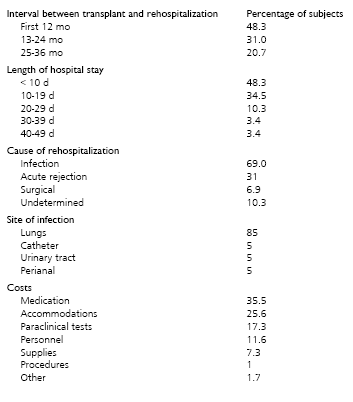
Table 1. Data on postlung transplant rehospitalizations in the study subjects.
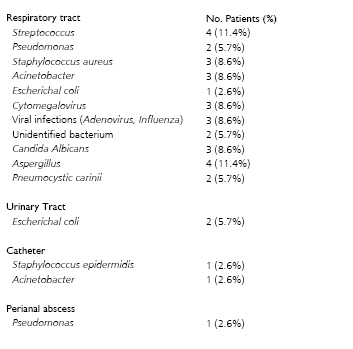
Table 2. Sites of and pathogens causing postlung transplant infections.