Volume: 7 Issue: 3 September 2009
FULL TEXT
Renal transplant is the optimum form of therapy for most patients with end-stage renal failure, because that treatment results in a significant improvement in the patient’s quality of life and is cost-effective. The exponential increase in the number of patients on the renal transplant waiting list globally has become a serious problem fueled by an increase in the number of patients with end-stage renal disease, the shortage of organs for transplant, and the failure of transplanted kidneys for various reasons. Strategies are being used by transplant professionals to retard the progression of chronic kidney disease, increase organ donation, reduce the acute rejection rate, and prevent transplant losses. This paper provides an up-to-date review of the interventional strategies used to reduce the ever-increasing renal transplant waiting list.
Key words : Organ donation, Pre-emptive transplant, Graft loss
Renal transplant is the best form of treatment for most patients with end-stage renal disease, because that therapy improves quality of life, prolongs survival, and is cost-effective. In a report published by the World Health Organization, 59 627 renal transplants were performed worldwide in 2007 (1). The annual increase in the number of new patients with end-stage renal disease who apply for a renal transplant, and the widening gap between the demand for and supply of kidneys, has led to the progressive expansion of the renal transplant waiting list worldwide. This has become a major problem, because many patients die while waiting to receive a kidney. The development of a renal transplant waiting list is depicted in the Figure.
In this paper, a review of the interventional strategies used by the international transplant community to reduce the increasing worldwide renal transplant waiting list is presented.
Strategies to slow the progression of chronic kidney disease
The progression of chronic kidney disease from stage 1 to stage 5 can be slowed
by addressing risk factors for kidney disease and treating other conditions (anemia,
diabetes, hypertension, hyperlipidemia, hyperparathyroidism) that contribute to
the develop¬ment of end-stage renal disease and the need for dialysis or
transplant. The early diagnosis of chronic kidney disease and careful monitoring
of the patient by a multidisciplinary team in a low-clearance clinic is
paramount in achieving that goal (2).
Strategies to increase the number of kidney transplants
There is a shortage of organs for transplant worldwide, and more people are now
waiting for a renal transplant than ever before. The potential sources of
kidneys are either deceased donors or living donors. The former can be either
heartbeating donors (ie, the donation is made after the donor’s brain death) or
nonheartbeating donors (ie, the donation is made after the donor’s cardiac death).
The number of kidney donations made after the brain death of the donor decreased
during the last decade, but kidney donations made after the donor’s cardiac
death and those obtained from living donors increased significantly in number
during that time.
Kidney donation from a living donor
The source of a transplanted kidney greatly affects long-term graft survival,
because outcomes after a transplant from a living donor are superior to those
after transplant from a deceased donor. This has been confirmed by Hariharan and
colleagues in their analysis of 93 934 renal transplants performed in the United
States between 1988 and 1996 (3). The results of that study revealed that for
grafts from living donors or deceased donors, the 1-year survival was 93.9% and
87.7%, respectively; and the graft half-life was 21.6 and 13.8 years,
respectively (3). Those successes have been further enhanced by the introduction
of laparoscopic kidney retrieval, which (by reducing postoperative pain,
hospital stay, and time to return to work) has significantly reduced the
disincentives for kidney donation (4).
Most transplant centers retrieve the right kidney via the open technique rather than laparoscopically, because of the increased risk of vascular complications (often caused by the short length of the blood vessels) in recipients. A recent study examined the safety of right-sided laparoscopic live-donor nephrectomy, which the investigators found to be faster and safer than left-sided laparoscopic live-donor nephrectomy with no difference in the graft-related outcomes (5). The long-term sequelae of kidney donation were published in a recent study of 3698 kidney donors in which the authors showed that the survival of the donors and the risk of end-stage renal disease in carefully screened kidney donors were similar to those in the healthy population (6). In that study, the donors’ glomerular filtration rate was preserved, their level of albumin excretion was within normal limits, and they had an excellent quality of life.
The introduction of renal transplants between blood-group–incompatible and positive cross-match donors and recipients via immunologic preconditioning, tailored immunosuppressive regimens, and intense monitoring has made it possible to offer that surgery to patients who would otherwise have been considered unsuitable for a renal transplant (7). Paired exchanges of kidneys and altruistic donations have further increased the number of renal transplants (8).
Donation after the donor’s brain or cardiac death
In 2006, a potential-donor audit in the United Kingdom showed that 41% of the
families of potential donors denied consent for transplant. The refusal rate for
families of donors from ethnic minorities was twice that found in the families
of white donors (9). The number of patients on the renal transplant waiting list
globally has been significantly reduced by the donation of kidneys from donors
who did not fulfill the criteria for brain death but were declared unsuitable
for further life-support therapy and by donations from donors who experienced
cardiac death. The outcomes of renal transplants from donors who experienced
cardiac death have been shown to be comparable to those from donors who
experienced brain death (10). In a recent review of the modifiable factors
affecting organ donation, the main factors associated with reduced rates of
refusal to donate were provision of adequate information on the process of organ
donation and its benefits, high quality of care of potential organ donors,
ensuring that potential donors’ relatives had a clear understanding of brainstem
death, and using trained and experienced individuals to make the request for
donation (11).
Extended-criteria donors
Organ donations from extended-criteria donors (ie, any brain-dead donor aged >
60 years or a donor aged > 50 years with 2 of the following conditions: a
history of hypertension, a terminal serum creatinine level of ≥ 1.5 mg/dL,
or death resulting from a cerebrovascular accident) are being increasingly
accepted (12). Dual renal transplant from extended-criteria donors has shown
promising outcomes (13).
Regulatory frameworks
To increase organ donation, structured regulatory frameworks are implemented in
different countries for both deceased donors and living donors. Obtaining
consent from donors and their relatives has remained the major hurdle in
deceased-donor organ donation; this has been addressed to some extent with the
provision of “opting in” or “opting out” (presumed consent) systems. Countries
such as Spain, Austria, and Belgium have adopted an opting out system, in which
it is presumed that the donor has consented to organ donation unless there is
evidence to suggest the contrary. In most countries, although the wishes of the
donors and their relatives are honored, a trend toward the use of the opting out
system is increasing (14).
Paid donation
To encourage kidney donation from living donors, some experts advocate the
controlled introduction of payment for living kidney donors, although the
ethical issues surrounding that action are complex. Arguments for and against
payment for living kidney donation were recently debated in the British Medical
Journal (15, 16). In developed countries, there is a carefully structured
regulatory framework for living donor transplants. In some countries, however,
there is little regulation or those regulations are not enforced, both of which
foster “transplant tourism,” in which people with kidney failure who are usually
affluent and from a developed country travel to a developing country and pay for
a living-donor transplant. The donors of those organs are usually from a low
socioeconomic group, have undergone inadequate medical and psychologic
assessments, and have worse clinical outcomes after donation than do altruistic
donors. In Istanbul, a recent summit addressing this issue produced declarations
that the success of transplant as a life-saving treatment does not require or
justify victimizing the world’s poor as the source of organs for the rich and
that transplant commercialism and tourism and organ trafficking should be
prohibited (17).
Strategies to improve graft survival and reduce transplant losses
Despite continuing advances in immunosuppressive and supportive therapies, the
success of renal transplant is affected by factors in the donor and the
recipient before and after transplant. Donor pretransplant factors that
influence long-term graft function include source, age, sex, and human leucocyte
antigen mismatches; in the recipient, those factors include age, duration of
dialysis, and sensitization. After transplant, events (delayed graft function,
acute rejection, viral infections, recurrent disease, drug-related
nephrotoxicity, nonadherence, chronic allograft nephropathy) can lead to the
progressive deterioration of renal function and graft loss. Modulation of
individual factors is mandatory to ensure satisfactory renal function in the
long term.
Pre-emptive renal transplant
Evidence suggests that renal transplant performed before the need for dialysis (ie,
pre-emptive renal transplant) improves both graft and patient survival, and the
number of patients who undergo that procedure is increasing (18). An analysis
from the United States Renal Data System has shown that patients who had not
undergone long-term dialysis and received a kidney from a living donor had a 52%
reduction in the risk of allograft failure during the first year after
transplant (P = .002), an 82% reduction during the second year (P = .001), and
an 86% reduction during subsequent years (P = .001) when compared with living-donor
transplant recipients who had received a kidney after having undergone long-term
dialysis (19). In a paired-donor kidney analysis, Meier-Kriesche and Kaplan
showed that a relatively longer duration of treatment with dialysis was
associated with poorer outcome, regardless of whether the transplant source was
a deceased or a living donor. The duration of treatment with dialysis remains
the strongest, modifiable factor that influences transplant outcome (20).
Organ allocation: Age, sex, and human leukocyte antigen matches
Matching age, sex, and human leucocyte antigens between the donor and the
recipient affects the long-term survival of the allograft; thus, those factors
must be considered during organ allocation. The poorer outcomes of kidney
transplants from elderly donors result primarily from the age-dependent
progressive reduction of the glomerular filtration rate and the renal reserve,
both of which are associated with senescence (21). However, the current trend is
to transplant a kidney from an elderly donor to an age-matched recipient; this
leads to the best use of available kidneys. In women, the kidneys tend to be
smaller than those in men and have 17% fewer nephrons; both characteristics
affect the functional renal mass. The long-term survival of a graft from a
female donor to a male recipient is significantly lower than that of other
combinations with respect to sex (22). The estimated half-life of human
leucocyte antigen matched grafts is 12.4 years and that of human leucocyte
antigen mismatched grafts is 8.6 years (23). Like human leucocyte antigen
matching, cross-reactive group matching, which is associated with a reduced
frequency of late acute rejection episodes and improved graft function 2 years
after transplant, is being increasingly emphasized. In the United Network of
Organ Sharing database, the risk of chronic rejection was 62% higher in cross-reactive
group mismatched recipients than in those who received a human leucocyte antigen
and cross-reactive group matched kidney (24).
Delayed graft function
Logistic regression analysis (n = 8950) of the data from the international
prospective observational Neoral-MOST (Multinational Observational Study in
Renal Transplant) study showed that older donor age, longer cold ischemia time,
male sex, white race, high body mass index in recipients, and the presence of
panel-reactive antibodies were associated with a higher risk of delayed graft
function and decreased long-term graft survival (25). In an international
randomized controlled trial, hypothermic machine perfusion of transplanted
kidneys was associated with a lower rate of delayed graft function and improved
graft survival than was cold storage (26).
Sensitization (antihuman leucocyte antigen antibodies)
Patients with antihuman leucocyte antigen anti¬bodies elicited by pregnancy,
blood transfusion, or a failed transplant, despite a negative cross-match at the
time of transplant, are at increased risk for acute and chronic rejection that
leads to graft loss. Antibodies to both human leucocyte antigen class I and
class II antigens are detrimental, and the presence of donor-specific antibodies
before or after transplant is associated with rejection and graft loss. However,
renal transplant is performed in positive cross-match cases by using
desensitization protocols that have successful outcomes (27).
Immunosuppressive regimens
The introduction of cyclosporine, cyclosporine microemulsion, tacrolimus,
mycophenolate mofetil, sirolimus, and anti-interleukin-2 receptor antibodies (basiliximab
and daclizumab) has been associated with a reduced incidence of acute rejection
during the first year after renal transplant. In a systematic review from
Australia, the graft survival in patients treated with tacrolimus was superior
to that in patients treated with cyclosporine, although individual randomized
clinical trial had shown no difference in the past (28).
In a study by Nashan and colleagues, monitoring the blood cyclosporine level 2 hours after dosing (C2) was significantly superior to 12-hour postdose trough (C0) level monitoring in reducing the severity and incidence of acute rejection and did not adversely affect renal function or tolerability (29). Induction regimens using polyclonal antibodies (antithymocyte globulin), monoclonal antibodies (OKT3), or anti-interleukin-2 receptor antibodies with combinations of the above-mentioned drugs have been studied in several randomized clinical trials, (30) and all those regimens were effective in reducing acute rejection, although individual adverse effects did occur. A reduction in the dosage of (or the withdrawal of) calcineurin inhibitors such as cyclosporine or tacrolimus and the addition or continuation of mycophenolate mofetil therapy has been shown to slow the loss of renal function in patients with chronic allograft nephropathy (31). Everolimus, alemtuzumab (Campath-1H), and belatacept are in various stages of trials and are showing promising results (32, 33).
Acute rejection
Since the introduction of tacrolimus and mycophenolate mofetil, there has been a
significant reduction in the incidence of acute rejection, which, according to a
report from the United States, decreased from 43.5% in 1991 to 15.55% in 2000
(34). The impact of acute rejection on long-term outcome depends on the time at
which rejection occurred (early or late), the number (1 or more) of prior
rejections, reversibility with steroid treatment (complete or partial), the
histologic grade according to Banff criteria, and the development of humoral
antibodies. Humoral rejection, which is diagnosed by detecting C4D in the
peritubular capillaries and/or by the presence of circulating donor-specific
antibodies, is treated with an increase in immunosuppressive therapy in addition
to plasmapheresis and the administration of rituximab and intravenous
immunoglobulin (35).
Calcineurin inhibitor toxicity
The nephrotoxicity caused by calcineurin inhibitors is dose dependent and is
histologically manifested by progressive glomerulosclerosis, arteriolopathy,
interstitial fibrosis, and tubular atrophy, all of which lead to a progressive
decrease in renal function. In the ELITE (Efficacy Limiting Toxicity
Elimination)-Symphony study, a regimen of daclizumab, mycophenolate mofetil, and
corticosteroids in combination with low-dose tacrolimus was superior to regimens
involving daclizumab induction plus either low-dose cyclosporine, low-dose
sirolimus, or standard-dose cyclosporine without induction in improving renal
function, allograft survival, and acute rejection rates (36). Calcineurin
inhibitor reducing or sparing strategies have been shown to reduce premature
graft loss. The recent CONVERT — the Sirolimus Renal Conversion Trial — which
examined the effects of converting from calcineurin inhibitors to sirolimus as
maintenance therapy in renal transplant recipients, revealed (particularly in
the subgroup with a baseline glomerular filtration rate of > 40 mL/min and a
urinary protein-to-creatinine ratio of ≤ 0.11) superior renal function in
patients treated with sirolimus for 12 to 24 months (37).
Viral infections
Excessive immunosuppression leads to multiple infectious complications after
transplant. Infections caused by the BK virus (a polyomavirus) or
Cytomegalovirus can lead to graft dysfunction and loss if they are not diagnosed
and treated early. BK virus (which remains latent in the urinary tract) can
reactivate in patients treated with tacrolimus or mycophenolate mofetil, and
those patients present with progressive graft dysfunction (38). Diagnosis is
established by the detection of viral deoxyribonucleic acid via polymerase chain
reaction and by the histologic demonstration of cytopathic changes and inclusion
bodies. A reduction in immunosuppressive therapy or replacing tacrolimus or
mycophenolate mofetil with leflunomide may rescue the kidney in those patients.
The association of Cytomegalovirus infection with acute rejection and chronic
allograft dysfunction has led to the development of strategies in prophylactic
and pre-emptive therapy (39).
Recurrent disease
The recurrence of primary disease, which has remained an unresolved problem in
kidney trans-plant recipients, can lead to significant renal allograft loss.
Immunoglobulin-A nephritis, membranous nephropathy, and lupus nephritis do not
affect 10-year graft survival, even if those conditions have recurred in the
graft (40). However, the recurrence of focal segmental glomerulo-sclerosis,
membranoproliferative glomerulonephritis, Henoch-Schonlein purpura, or
hemolytic uremic syndrome leads to graft loss, although sporadic cases of
response to plasmapheresis and immunoadsorption have been reported (41).
New onset diabetes after transplant
In up to 25% of renal transplant recipients, de novo diabetes associated with
immunosuppressive therapy develops, particularly as a result of treatment with
steroids or tacrolimus, thereby increasing risk of cardiac, cerebrovascular, and
peripheral vascular disease (42). Treatment with steroids or calcineurin
inhibitor sparing regimens reduces that risk.
Nonadherence
In renal transplant recipients, nonadherence to immunosuppressive therapy is a
major factor that affects graft survival, but noncompliance is difficult to
detect in clinical practice. In one study, poor adherence was recorded in 22%
patients, and in 36% of those patients, graft loss was preceded by episodes of
nonadherence. A meta-analysis of several studies has shown that the odds of
graft failure increased 7-fold in nonadherent patients (43).
Malignancies
The overall incidence of malignancy in renal transplant recipients is 3 to 5
times higher than that in individuals who have not received a kidney transplant.
According to the Cincinnati Tumor Registry (44), the most frequent types of
tumors are posttransplant lymphoproliferative lesions and squamous cell
carcinomas of the lip, vulva, cervix, or skin. Immunosuppression, chronic viral
infections, and conventional risk factors are associated with the development of
de novo, recurrent, or transmitted malignancies in renal transplant recipients.
Screening donors and recipients and providing
early diagnosis and treatment are important challenges in organ transplant (45).
Chronic allograft nephropathy
Despite improved short-term outcomes in renal transplant recipients, the
long-term survival of grafts after renal transplant has not changed over the
last decade; the loss of allografts per year remains 3% to 5% (46). Chronic
allograft nephropathy, which is still the leading cause of renal transplant
failure, is manifested clinically as proteinuria, hypertension, and a
progressive and irreversible deterioration of renal function, and
histologically, as tubular atrophy, interstitial fibrosis, glomerulosclerosis,
and concentric arteriolosclerosis (47). Both immuno¬logic (late acute rejection,
human leucocyte antigen mismatches, sensitization, nonadherence) and
non-immunologic (brain death; delayed graft function; infection; hyperlipidemia;
hypertension; smoking; donor age, sex, and race; calcineurin inhibitor toxicity)
factors are implicated as causes of chronic allograft nephropathy (48).
There is no established treatment for chronic allograft nephropathy, primarily because ir-reversible damage is usually found at the time of diagnosis. Nevertheless, in early phases of that disorder, a change in immunosuppressive agents to a less nephrotoxic regimen consisting of mycophenolate mofetil or sirolimus may stabilize or even partially reverse renal dysfunction (37, 49). Belatacept, a selective costimulation blocker, has been shown to preserve the glomerular filtration rate and to reduce the progression of chronic allograft nephropathy. Nonimmunologic interventions that decelerate the progression of chronic allograft nephropathy include the control of hypertension, proteinuria, and hyperlipidemia. A significant reduction in proteinuria has been reported to occur after treatment with angiotensin-converting enzyme inhibitors and angiotensin II receptor antagonists (50).
Transplant registry and audits
The prospective recording of the events related to renal transplant in local and
collaborative registries and the regular evaluation of their outcomes is
essential to improving the long-term survival of renal allografts. The
recruitment of patients for multicenter studies enables the study of the effects
of various interventions that would not be feasible in single-center studies
(51).
This overview has attempted to summarize the current strategies used to prolong renal allograft survival, facilitate organ donation, and reduce the annually increasing number of patients on renal transplant waiting lists. Because of the annual increase in the number of patients who must wait to receive a renal transplant, it is imperative that clinicians intervene proactively at various stages in the development the waiting list for that procedure (Figure). Prevention of the progression of chronic kidney disease, pre-emptive renal transplant, increasing the number of organ donations, and preserving transplanted kidneys are the best methods for resolving that issue.
References:
- World Health Organization Web site. http://data.transplant-observatory.org/paginas/informes/informe.aspx
- Vassalotti JA, Li S, Chen SC, Collins AJ. Screening populations at increased risk of CKD: the Kidney Early Evaluation Program (KEEP) and the public health problem. Am J Kidney Dis. 2009;53(3 suppl 3):S107-S114.
- Hariharan S, Johnson CP, Bresnahan BA, Taranto SE, McIntosh MJ, Stablein D. Improved graft survival after renal transplantation in the United States, 1988 to 1996. N Engl J Med. 2000;342(9):605-612.
- Ratner LE, Montgomery RA, Kavoussi LR. Laparoscopic live donor nephrectomy. A review of the first 5 years. Urol Clin North Am. 2001;28(4):709-719.
- Dols LF, Kok NF, Alwayn IP, Tran TC, Weimar W, Ijzermans JN. Laparoscopic donor nephrectomy: a plea for the right-sided approach. Transplantation. 2009;87(5):745-750.
- Ibrahim HN, Foley R, Tan L, et al. Long-term consequences of kidney donation. N Engl J Med. 2009;360(5):459-469.
- Schwartz J, Stegall MD, Kremers WK, Gloor J. Complications, resource utilization, and cost of ABO-incompatible living donor kidney transplantation. Transplantation. 2006;82(2):155-163.
- Rees MA, Kopke JE, Pelletier RP, et al. A nonsimultaneous, extended, altruistic-donor chain. N Engl J Med. 2009;360(11):1096-1101.
- Barber K, Falvey S, Hamilton C, Collett D, Rudge C. Potential for organ donation in the United Kingdom: audit of intensive care records. BMJ. 2006;332(7550):1124-1127.
- Tojimbara T, Fuchinoue S, Iwadoh K, et al. Improved outcomes of renal transplantation from cardiac death donors: a 30-year single center experience. Am J Transplant. 2007;7(3):609-617.
- Simpkin AL, Robertson LC, Barber VS, Young JD. Modifiable factors influencing relatives’ decision to offer organ donation: systematic review. BMJ. 2009;338:b991.
- Pascual J, Zamora J, Pirsch JD. A systematic review of kidney transplantation from expanded criteria donors. Am J Kidney Dis. 2008;52(3):553-586.
- Gill J, Cho YW, Danovitch GM, et al. Outcomes of dual adult kidney transplants in the United States: an analysis of the OPTN/UNOS database. Transplantation. 2008;85(1):62-68.
- Bosch X. Spain leads world in organ donation and transplantation. JAMA. 1999 7;282(1):17-18.
- Chapman J. Should we pay donors to increase the supply of organs for transplantation? No. BMJ. 2008;336(7657):1343.
- Matas AJ. Should we pay donors to increase the supply of organs for transplantation? Yes. BMJ. 2008;336(7657):1342.
- Organ trafficking and transplant tourism and commercialism: the Declaration of Istanbul. Lancet 2008;372(9632):5-6.
- Shrestha BM. Pre-emptive renal transplantation: optimum treatment for end-stage renal disease? JNMA J Nepal Med Assoc. 2008;47(169):44-46.
- Mange KC, Joffe MM, Feldman HI. Effect of the use or nonuse of long-term dialysis on the subsequent survival of renal transplants from living donors. N Engl J Med. 2001;344(10):726-731.
- Meier-Kriesche HU, Kaplan B. Waiting time on dialysis as the strongest modifiable risk factor for renal transplant outcomes: a paired donor kidney analysis. Transplantation. 2002;74(10):1377-1381.
- Halloran PF, Melk A, Barth C. Rethinking chronic allograft nephropathy: the concept of accelerated senescence. J Am Soc Nephrol. 1999;10(1):167-181.
- Kwon OJ, Kwak JY, Kang CM. The impact of gender and age matching for long-term graft survival in living donor renal transplantation. Transplant Proc. 2005;37(2):726-728. Retraction in: Transplant Proc. 2008;40(1):328.
- Opelz G, Wujciak T, Döhler B, Scherer S, Mytilineos J. HLA compatibility and organ transplant survival. Collaborative Transplant Study. Rev Immunogenet. 1999;1(3):334-342.
- Wujciak T, Opelz G. Evaluation of HLA matching for CREG antigens in Europe. Transplantation. 1999;68(8):1097-1099.
- Lebranchu Y, Halimi JM, Bock A, et al. Delayed graft function: risk factors, consequences and parameters affecting outcome-results from MOST, A Multinational Observational Study. Transplant Proc. 2005;37(1):345-347.
- Moers C, Smits JM, Maathuis MH, et al. Machine perfusion or cold storage in deceased-donor kidney transplantation. N Engl J Med. 2009;360(1):7-19.
- Thielke JJ, West-Thielke PM, Herren HL, et al. Living donor kidney transplantation across positive crossmatch: the University of Illinois at Chicago experience. Transplantation. 2009;87(2):268-273.
- Webster AC, Woodroffe RC, Taylor RS, Chapman JR, Craig JC. Tacrolimus versus cyclosporine as primary immunosuppression for kidney transplant recipients: meta-analysis and meta-regression of randomised trial data. BMJ. 2005;331(7520):810.
- Nashan B, Bock A, Bosmans JL, et al. Use of Neoral C monitoring: a European consensus. Transpl Int. 2005;18(7):768-778.
- Bunnapradist S, Hong A, Lee B, Takemoto SK. Multivariate analysis of the effectiveness of using antibody induction therapy according to the degree of HLA mismatches. Transplant Proc. 2005;37(2):886-888.
- Rama I, Cruzado JM, Gil-Vernet S, et al. Steroids can be safely withdrawn from cyclosporine and mycophenolate mofetil-treated renal allograft recipients: long-term results. Transplantation. 2005;80(2):164-168.
- Ciancio G, Burke GW 3rd. Alemtuzumab (Campath-1H) in kidney transplantation. Am J Transplant. 2008;8(1):15-20.
- Vincenti F, Larsen C, Durrbach A, et al. Costimulation blockade with belatacept in renal transplantation. N Engl J Med. 2005;353(8):770-781.
- Keith DS, DeMattos A, Golconda M, et al. Factors associated with improvement in deceased donor renal allograft function in the 1990s. J Am Soc Nephrol. 2005;16(5):1512-1521.
- Steinmetz OM, Lange-Hüsken F, Turner JE, et al. Rituximab removes intrarenal B cell clusters in patients with renal vascular allograft rejection. Transplantation. 2007;84(7):842-850.
- Ekberg H, Tedesco-Silva H, Demirbas A, et al. Reduced exposure to calcineurin inhibitors in renal transplantation. N Engl J Med. 2007;357(25):2562-2575.
- Schena FP, Pascoe MD, Alberu J, et al. Conversion from calcineurin inhibitors to sirolimus maintenance therapy in renal allograft recipients: 24-month efficacy and safety results from the CONVERT trial. Transplantation. 2009;87(2):233-242.
- Drachenberg CB, Beskow CO, Cangro CB, et al. Human polyoma virus in renal allograft biopsies: morphological findings and correlation with urine cytology. Hum Pathol. 1999;30(8):970-977.
- Shrestha BM, Parton D, Gray A, et al. Cytomegalovirus involving gastrointestinal tract in renal transplant recipients. Clin Transplant. 1996;10(2):170-175.
- Ostrowska J, Pazik J, Lewandowski Z, Mróz A, Perkowska-Ptasinska A, Durlik M. Posttransplantation glomerulonephritis: risk factors associated with kidney allograft loss. Transplant Proc. 2007;39(9):2751-2753.
- Briganti EM, Russ GR, McNeil JJ, Atkins RC, Chadban SJ. Risk of renal allograft loss from recurrent glomerulonephritis. N Engl J Med. 2002;347(2):103-109.
- Schiel R, Heinrich S, Steiner T, Ott U, Stein G. Post-transplant diabetes mellitus: risk factors, frequency of transplant rejections, and long-term prognosis. Clin Exp Nephrol. 2005;9(2):164-169.
- Butler JA, Peveler RC, Roderick P, Horne R, Mason JC. Measuring compliance with drug regimens after renal transplantation: comparison of self-report and clinician rating with electronic monitoring. Transplantation. 2004;77(5):786-789.
- Penn I. Cancers in renal transplant recipients. Adv Ren Replace Ther 2000;7(2):147-156.
- Morath C, Mueller M, Goldschmidt H, Schwenger V, Opelz G, Zeier M. Malignancy in renal transplantation. J Am Soc Nephrol. 2004;15(6):1582-1588.
- Colvin RB. Chronic allograft nephropathy. N Engl J Med. 2003;349(24):2288-2290.
- Paul LC. Chronic allograft nephropathy: An update. Kidney Int. 1999;56(3):783-793.
- Sijpkens YW, Doxiadis II, van Kemenade FJ, et al. Chronic rejection with or without transplant vasculopathy. Clin Transplant. 2003;17(3):163-170.
- Dudley C, Pohanka E, Riad H, et al. Mycophenolate mofetil substitution for cyclosporine a in renal transplant recipients with chronic progressive allograft dysfunction: the “creeping creatinine” study. Transplantation. 2005;79(4):466-475.
- Zaltzman JS, Nash M, Chiu R, Prasad R. The benefits of renin-angiotensin blockade in renal transplant recipients with biopsy-proven allograft nephropathy. Nephrol Dial Transplant. 2004;19(4):940-944.
- First MR. Improving long-term renal transplant outcomes with tacrolimus: speculation vs evidence. Nephrol Dial Transplant. 2004;19(suppl 6):vi17-vi22.

Volume : 7
Issue : 3
Pages : 173 - 179
From the Division of Renal Transplantation, Sheffield Kidney Institute,
Sheffield, UK
Address reprint requests to: Badri Man Shrestha, MS, FRCS, Sheffield Kidney
Institute, Herries Road, Sheffield, S5 7AU, UK
Phone: +441142434343
Fax: +441142714604
E-mail:
shresthabm@doctors.net.uk
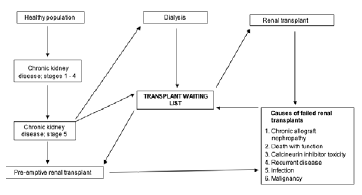
Figure 1. Pathways of development of transplant waiting list.