Volume: 7 Issue: 3 September 2009
FULL TEXT
Objectives: Researchers recently discovered a group of semimature dendritic cells that induce autoimmune tolerance by activating host antigen-specific CD4+CD25+ T-regulatory cells. We hypothesized that donor semimature dendritic cells injected into recipients would induce effector T-cell hyporesponsiveness by activating CD4+CD25+ T-regulatory cells.
Materials and Methods: Donor myeloid semimature dendritic cells were cultivated for 6 days and were then stimulated with tumor necrosis factor α for 24 hours. BALB/c mice were pretreated with semimature dendritic cells to generate antigen-specific CD4+CD25+ T-regulatory cells in vivo. The role of CD4+CD25+ T-regulatory cells in transplant immunity was studied via mixed lymphocyte culture in vitro.
Results: Surface markers and cytokines secreted by semimature dendritic cells differed from those secreted by immature myeloid dendritic cells or mature dendritic cells. Semimature dendritic cells and immature myeloid dendritic cells did not activate allogenic lymphocyte responses in coculture studies. CD4+CD25+ T-regulatory cells of recipients challenged by donor semimature dendritic cells, which expressed a high level of interleukin-10, induced hyporesponsiveness in host effector T cells that were stimulated by donor splenocytes. In contrast, CD4+CD25+ T-regulatory cells did not induce hyporesponsiveness in effector T cells when the host T cells were stimulated by third-party antigen from DBA2 mice splenocytes.
Conclusions: Our findings confirm that semimature dendritic cells are an independent subgroup of dendritic cells in both immune function and morphologic profile. It may be the cytokine secretion profile of semimature dendritic cells (rather than that of surface markers) that has a key role in inducing CD4+CD25+ T-regulatory cells to express a high level of interleukin-10. Immunization with donor semimature dendritic cells may be an effective method of inducing transplant tolerance, but further evidence-based studies of that topic are necessary.
Key words : Semimature dendritic cells, Effector T cells, CD4+ CD25+ T-regulatory cells, Hyporesponsiveness
Dendritic cells, which are antigen-presenting cells, have a key role according to their developmental stage in immune recognition after organ transplant (1). It has been shown that immature myeloid dendritic cells induce peripheral immune in¬tolerance and that mature dendritic cells activate immune rejection (2-5). During immune recognition, recipient T cells recognize donor antigens, either directly in the early posttransplant phase or indirectly in later posttransplant stages (6). As a result, when recipients receive an intravenous injection of donor dendritic cells, the major histocompatibility complex molecules embedded on the membrane of donor dendritic cells are conveyed directly to recipient T- cells to engender immune recognition.
DePaz and colleagues (7) reported that the survival time of rat cardiac allografts can be prolonged if the recipients are pretreated with donor immature myeloid dendritic cells, and that acute graft rejection is induced if donor mature dendritic cells are injected. The effect (either immune tolerance or rejection) of the infusion of dendritic cells into recipients depends on the phenotype and cytokine-secreting features of cell surface markers embedded on the membrane of dendritic cells (8). It has been shown that immature myeloid dendritic cells activate CD4+CD25+ T-regulatory cells (7, 9, 10) and induce alternative CD4+ T-cell responses in vivo (11), both of which lead to immune tolerance, but mature dendritic cells can activate effector T cells to produce a relatively stronger acute rejection. Those phenomena occur because immature myeloid dendritic cells express low levels of major histocompatibility complex II and costimulatory molecules (eg, CD40, CD80, CD86, etc) and secrete few inflammation-provoking cytokines (eg, interleukin [IL]-1, IL-6, IL-12), but mature dendritic cells express relatively higher levels of those molecules and cytokines. It has been shown (8, 12-17), however, that in terms of immune function, a transitional stage of dendritic cell maturation exists between immature myeloid dendritic cells and mature dendritic cells. This dendritic subgroup of cells (which are referred to as semimature dendritic cells) is produced in vitro by stimulating immature myeloid dendritic cells with tumor necrosis factor a or typhotoxin. Semimature dendritic cells express high levels of major histocompatibility complex II and medium levels of cell surface markers such as CD40, CD80, and CD86, and in doing so, differ from immature myeloid dendritic cells and mature dendritic cells. Semimature dendritic cells do not secrete inflammation-inducing cytokines such as IL-1, IL-6, and IL-12 (8, 9), and they may represent a key stage (which may be regulated by the signal regulatory protein A pathway) in the maturation of dendritic cells (17). Reinfusion of myeloid semimature dendritic cells carrying a specific antigen can suppress or even cure some autoimmune diseases, because the CD4+CD25+T-regulatory cells challenged by semimature dendritic cells induce host effector T-cell hyporesponsiveness (9, 16, 18). The exact role of semimature dendritic cells in the development of immune tolerance after organ transplant remains unclear (8).
We hypothesized that using donor semimature dendritic cells to pretreat recipients would induce host effector T-cell hyporesponsiveness that could lead to immune tolerance. We theorized that (1) donor semimature dendritic cells might be selectively able to activate recipient antigen-specific CD4+CD25+ T-regulatory cells, which suppress the responses of effector T cells, and (2) that semimature dendritic cells express relatively higher levels of costimulatory molecules than do immature myeloid dendritic cells, which induce immune tolerance after an organ transplant. To confirm those hypotheses, semimature dendritic cells were produced in vitro, and their cell surface marker and cytokine secretion profiles were compared with those of immature myeloid dendritic cells and mature dendritic cells by means of flow cytometry and enzyme-linked immunosorbent assay. Finally, the hypothesis was tested with a mixed leukocyte reaction in vitro.
Materials and Methods
Animals
Specific pathogen-free C57BL/6J (H-2b), BALB/c (H-2d), and DBA2 (H-2d) mice (age
range, 6-8 weeks; weight, 20 ± 3 g) were purchased from the Experiment Animal
Center of Sun Yat-sen University in Guangzhou, China. The experimental protocol
was approved by the Sun Yat-sen University Animal Care and Research Committee.
All animals received care in compliance with the Guide for the Care and Use of
Laboratory Animals, which was published by the National Institutes of Health
86-23 and was revised in 1985.
Cultivation of donor myeloid semimature dendritic cells
Semimature dendritic cells were generated from bone marrow progenitors according
to the technique described by Verginis and colleagues (9) and Lutz and
colleagues (19). Briefly, bone marrow was obtained from the femurs and tibias of
C57 BL/6J mice, and red blood cells were lysed with erythrocyte lysates (Dojindo
Laboratories, Kumamoto, Japan). On day 1, bone marrow cells were seeded at 2 ×
107 cells per 75-cm3 plastic tissue culture flask (Corning Incorporated, Corning,
New York, USA) in 15 mL of Gibco RPMI Medium 1640 (Invitrogen Corporation, Grand
Island, New York, USA) supplemented with 10% fetal bovine serum (HyClone
Laboratories, Inc, Logan, UT, USA), 2 mM of Gibco L-glutamine (Invitrogen
Corporation), 100 U/mL of Gibco penicillin (Invitrogen Corporation), and 100
µg/mL of Gibco streptomycin (Invitrogen Corporation). After 24 hours, the float
cells were removed and the plastic-adherent cells were cultured for 6 days to
generate immature myeloid dendritic cells in a complete medium containing 0.2 ng/mL
of recombinant granulocyte macrophage-colony stimulating factor (R&D Systems,
Inc, Minneapolis, Minnesota, USA), 10 ng/mL of recombinant mouse IL-4 (R&D
Systems, Inc), and 5 × 10⁻⁵ M Gibco beta-mercaptoethanol (Invitrogen Corporation).
On days 3 and 5, half of the culture supernatant was collected and centrifuged,
and the cells were resuspended in an 8-mL fresh medium and were then transferred
into the culture flask. After 6 days of culture growth, semimature dendritic
cells were generated by the addition of 40 ng/mL of tumor necrosis factor
α (R&D Systems, Inc), and mature dendritic cells were generated by the
addition of 1 µg/mL of lipopolysaccharide (Sigma-Aldrich Corporation, St. Louis,
Missouri, USA). Twenty-four hours later, the nonadherent cells were harvested by
gentle dislodging for further study.
Detection of cell surface marker and cytokine secretion profiles of donor
semimature dendritic cells
For comparison with immature myeloid dendritic cells and mature dendritic cells,
the semimature dendritic cells obtained were examined with an optical microscope
and a scanning electron microscope. The cell surface marker and cytokine
secretion profiles of those dendritic cells were tested with flow cytometry (FACS
Calibur flow cytometer, Becton, Dickinson and Company, Franklin Lakes, New
Jersey, USA) for major histocompatibility complex II (I-Ab), CD11c, CD40, CD80, and CD86 (the antibodies were purchased from eBioscience Inc, San Diego, CA,
USA) and via enzyme-linked immunosorbent assay for IL-1beta, IL-6, IL-10, and IL-12
(the reagent kits were purchased from BioSource,. Inc, Camarillo, CA, USA) in
culture supernatant.
Identifying the ability of semimature dendritic cells to stimulate allogenic
splenic leukocytes
A mixed leukocyte reaction was performed in which the splenic leukocytes of BALB/c
mice were used as responding cells, and the obtained immature myeloid dendritic
cells, semimature dendritic cells, and mature dendritic cells were used as
stimulating cells, all of which were inactivated via incubation with 25 µg/mL of
mitomycin (Roche Applied Science, Indianapolis, IN, USA) at 37°C for 30 minutes
and subsequent rinsing (twice) with phosphate-buffered saline. Seventy-two hours
later, the proliferation index of the spleen lymphocytes was detected by light
absorbance at 450 nm with an enzyme-labeling instrument (Bio-Tek ELx 800, Bio
Tek Instruments, Bad Friedrichshall, Germany) and a CCK-8 cell-counting kit (Dojindo
Laboratories) according to the manufacturers’ instructions.
Generation of CD4+CD25+ T-regulatory cells from mice pretreated with donor
semimature dendritic cells
The identified semimature dendritic cells were washed with phosphate-buffered
saline and were adjusted to a concentration of 1 × 10⁷ cells/mL. On days 1, 3,
5, and 9, 200 microliters of the identified semimature dendritic cell solution
or an equal amount of phosphate-buffered saline (as a control) was injected
through the vena caudalis of each BALB/c mouse. On day 21, CD4+CD25+ T-regulatory
cells and CD4+CD25- T cells were purified with a T-cell isolation kit (Miltenyi
Biotec, Bergisch Gladbach, Germany) via magnetic activated cell sorting. Then,
the purity of the CD4+CD25+ T-regulatory cells and the CD4+CD25- T cells was
assessed with flow cytometry. Achieving a purity level of ≥ 85% was
imperative. Fluorescein isothiocyanate antimouse glucocorticoid-induced tumor
necrosis factor receptor (eBioscience Inc) and cytotoxic T-lymphocyte antigen 4
(eBioscience Inc) expressed by CD4+CD25+ T-regulatory cells and CD4+CD25- T-regulatory
cells were also assessed by flow cytometry. The Foxp3 gene, which is specific
for CD4+CD25+ T-regulatory cells, was detected via reverse transcriptase
polymerase chain reaction. The primer sequences used for the reverse
transcriptase polymerase chain reaction amplification of Foxp3, as described by
Verginis and colleagues (9), were: (forward) 5’- CAG CTG CCT ACA GTG CCC CTA
G-3’ and (reverse) 5’- CAT TTG CCA GCA GTG GGT AG-3’ and the amplified sequences
(beta-actin) were (forward) 5’- TGC TGT CCC TGT ATGC CT CT-3’ and (reverse) 5’-
GAT GTC ACG CAC GAT TTC C-3’.
Antigen specificity of recipient CD4+CD25+
T-regulatory cells activated by donor semimature dendritic cells
The splenic CD4+CD25- T cells (1 × 10⁶ cells/well) selected by magnetic
activated cell sorting as described above were used as effector cells. Mitomycin-C–treated
splenocytes (2 × 10⁶ cells/well) of C57BL/6J, DBA2, or syngeneic BALB/c mice
were used as stimulating cells. CD4+CD25+ T-regulatory cells (1 × 10⁶ cells/well),
which were obtained from BALB/c mice that had been pretreated with semimature
dendritic cells or phosphate-buffered saline, were selected via magnetic
activated cell sorting as described above and were added to the wells. After 72
hours of culture growth, the levels of IL-1 beta, IL-2, IL-6, and IL-10 were
checked by enzyme-linked immunosorbent assay. An Autoprobe CP Research atomic
force microscope (Veeco Instruments Inc, Plainview, NY, USA), which shows the
relationship between effector and stimulation cells, was used to observe the
interaction among cells in the mixed leukocyte reaction model. Simultaneously,
the proliferation index of effector T cells was identified with a CCK-8 cell-counting
kit (Dojindo Laboratories).
Results
Generation and identification of donor semimature dendritic cells
We used a scanning electron microscope, flow cytometry, and an enzyme-linked
immunosorbent assay to examine the morphologic characteristics, phenotypes, and
cytokine-secreting features of semimature dendritic cells, and we used a CCK-8
cell-counting kit to assess the ability of those cells to activate allogeneic
lymphocytes. The cell body diameter of the semimature dendritic cells was
between 10 and 15 µm. The dendrites of semimature dendritic cells were longer
than those of immature myeloid dendritic cells but shorter than the dendrites (which
were usually longer than 15 µm) of mature dendritic cells (Figure 1A;
photographs from the optical microscope are not shown). The absorbance values
revealed by the CCK-8 cell-counting kit, which reflect the ability of immature
dendritic cells, semimature dendritic cells, and mature dendritic cells to
activate allogeneic splenocytes, were 0.18, 0.14, and 1.51 at 450 nm,
respectively. Those values indicated that semimature dendritic cells did not
activate the allogeneic lymphocytes (Figure 1B). All 3 subgroups of dendritic
cells expressed CD11C, but the semimature dendritic cells and the mature
dendritic cells expressed remarkably higher levels of CD40, CD80, CD86, and
major histocompatibility complex II (I-Ab) than did immature myeloid dendritic
cells. The level of I-Ab expressed by the semimature dendritic cells was almost
the same as that expressed by the mature dendritic cells (Figure 1C). The
immature dendritic cells and the semimature dendritic cells did not secrete IL-1
beta, IL-6, and IL-12p40, which were copiously secreted by the mature dendritic
cells (Figure 1D).
Expression of a T-regulatory phenotype by CD4+CD25+ T-regulatory cells from mice
pretreated with donor semimature dendritic cells
We found that 89.3% of the CD4+CD25+ T-regulatory cells expressed both CD4 and
CD25 and that 93% and 88% expressed high levels of cytotoxic T-lymphocyte
antigen and the glucocorticoid-induced tumor necrosis factor receptor family-related
gene, respectively (Figure 2A). CD4+CD25- T-regulatory cells expressed either a
very low level of or no CD25, cytotoxic T lymphocyte antigen, or the
glucocorticoid-induced tumor necrosis factor receptor family-related gene (Figure
2B). CD4+CD25+ T cells (but not CD4+CD25- T cells) expressed a high level of
Foxp3 (Figure 2C).
CD4+CD25+T-regulatory cells from mice pretreated with donor semimature dendritic
cells induce effector T-cell hyporesponsiveness in vitro
CD4+CD25+ T-regulatory cells isolated from mice that were pretreated with donor
semimature dendritic cells completely suppressed the proliferation and cytokine
secretion of IL-1 beta, IL-2, and IL-6 by CD4+CD25- T effector cells that had
been stimulated by donor splenocytes (Figure 3A). This suppression was donor
(C57BL/6J mice)–antigen-specific, because the CD4+CD25+ T-regulatory cells did
not suppress the proliferation and cytokine release of the same CD4+CD25- T
effector cells that had been stimulated by third-party antigen from DBA2 mice
splenocytes (Figure 3A). CD4+CD25+ T-regulatory cells isolated from mice that
were pretreated with phosphate-buffered saline also did not suppress the donor
antigen-specific response. All mixed leukocyte reaction culture wells contained
a very low level of IL-10, except for those into which CD4+CD25+ T-regulatory
cells pretreated with donor semimature dendritic cells were added. This
indicated that only the CD4+CD25+ T-regulatory cells from mice pretreated with
donor semimature dendritic cells secreted a high level of IL-10 (Figure 3A).
CD4+CD25+ T-regulatory cells from mice pretreated with donor semimature
dendritic cells mediate suppression in a cell-cell contact-dependent manner
The atomic force microscope was used to observe the relationship between
effector and stimulating cells in a mixed leukocyte reaction model. Cells in the
semimature dendritic cell wells were of similar size, were round or oval, and
were scattered loosely or cohesively (characteristics similar to those of the
CD4+CD25- T cells) in the negative control wells). Cells in wells containing
phosphate-buffered saline or DBA2 were similar to those in positive control
wells in which the cells were densely glued together and were of different sizes
and irregular in shape (Figure 3B). We concluded that the cohesiveness of the
cells glued densely together was characteristic of either (1) stimulating cells
(donor splenocytes) that were being attacked by effector cells or (2) the
proliferation of effector cells. Both characteristics suggest that CD4+CD25+ T-regulatory
cells from mice pretreated with donor semimature dendritic cells mediate
suppression in a cell-cell contact-dependent manner.
Discussion
Although the exact mechanism that determines whether a dendritic cell becomes immunogenic or tolerogenic has not been identified, an increasing amount of evidence suggests that dendritic cell function depends on the stage of cell maturation (8, 9). Studies (7, 9, 20) have shown that (1) immune tolerance to specific or donor antigens occurs if recipients are pretreated with donor immature myeloid dendritic cells or host immature myeloid dendritic cells loaded with specific antigens, and (2) that mature dendritic cells induce robust rejection. According to some investigators (8), immature myeloid dendritic cells that express low levels of costimulatory molecules (CD40, CD80, CD86, etc) but do not express proinflammatory cytokines have an important part in inducing immune tolerance. However, other researchers (21, 22) suggest that CD80 and CD86 can inhibit the activation of effector T cells and enhance the action of T-regulatory cells; this causes and helps to maintain the immune tolerance to autoantigens. If CD80 or CD86 production is inhibited, then autoimmune diseases may develop. When compared with wild-type mice, CD40- deficient mice have fewer CD4+CD25+ T-regulatory cells, and the response of their effector T cells to autoantigens is stronger (23). Therefore, semimature dendritic cells may be effective in inducing immune intolerance because of their greater expression of major histocompatibility complex II, CD40, CD80, and CD86 and their nonsecretion of proinflammatory cytokines such as IL-1, 1L-6, and IL-12 (16). We hypothesized that donor semimature dendritic cells — as an independent dendritic cell subgroup and if repeatedly injected into recipients — could induce host effector T-cell hyporesponsiveness by selectively activating CD4+CD25+ T-regulatory cells that release a high level of IL-10. The results of our investigation have confirmed that hypothesis. Electron microscopy revealed that the bushy dendrites of semimature dendritic cells were considerably shorter than those of mature dendritic cells but were longer and thicker than those of immature myeloid dendritic cells. Semimature dendritic cells did not secrete IL-1 beta, IL-6, or IL-12 or activate allogeneic splenocytes, but they did express a moderate level of cell surface markers such as CD40, CD80, and CD86. We suggest that the dendritic cells generated from the myeloid precursor cells of C57BL/6J mice were semimature dendritic cells that exhibited profiles of cell surface markers and cytokine secretion similar to those of semimature dendritic cells described in published papers (8, 9, 24). The findings above indicate that the development of dendrites in semimature dendritic cells may affect the function of those cells, but further study is needed to reveal the specific relation between dendrite development and the role of semimature dendritic cells in the immune response after organ transplant.
Although semimature dendritic cells that carry a specific antigen can suppress autoimmune diseases by activating antigen-specific CD4+CD25+ T cells in a laboratory setting (8, 9), whether recipient CD4+CD25+ T cells challenged by donor semimature dendritic cells can induce effector T-cell hyporesponsiveness remains unknown. Our study has confirmed that donor semimature dendritic cells, if repeatedly injected into recipients, will activate CD4+CD25+ T-regulatory cells, which express the glucocorticoid-induced tumor necrosis factor receptor family-related gene, cytotoxic T-lymphocyte antigen 4, and FoxP3 genes and have a profile similar to that of T-regulatory cells (9). A mixed leukocyte reaction model has shown that semimature dendritic cells did not activate allogeneic splenocytes in vitro and that semimature dendritic cells did not secrete IL-10. The CD4+CD25+ T-regulatory cells from recipients pretreated with donor semimature dendritic cells produced a high level of IL-10 that induced host effector T-cell hyporesponsiveness in the donor antigens, but that hyporesponsiveness dissipated when stimulating antigens were derived from third-party DBA2 mice. Furthermore, CD4+CD25+ T-regulatory cells from phosphate-buffered saline-pretreated recipients neither expressed a significant level of IL-10 nor induced host effector T-cell hyporesponsiveness in the donor antigens. This finding demonstrates that the significant level of IL-10 expressed by CD4+CD25+ T-regulatory cells challenged by donor semimature dendritic cells is the key factor in suppressing host effector T-cell responses. Gangi and colleagues (18) have shown that IL-10 secreted by antigen-specific CD4+CD25+T-regulatory cells has a key role in the process resulting in the tolerance to autoantigens.
References:
- Rutella S, Danese S, Leone G. Tolerogenic dendritic cells: cytokine modulation comes of age. Blood. 2006;108(5):1435-1440.
- Young JW, Merad M, Hart DN. Dendritic cells in transplantation and immune-based therapies. Biol Blood Marrow Transplant. 2007;13(1 suppl 1):23-32.
- Bosma BM, Metselaar HJ, Mancham S, et al. Characterization of human liver dendritic cells in liver grafts and perfusates. Liver Transpl. 2006;12(3):384-393.
- Khanna A, Morelli AE, Zhong C, Takayama T, Lu L, Thomson AW. Effects of liver-derived dendritic cell progenitors on Th1- and Th2-like cytokine responses in vitro and in vivo. J Immunol. 2000;164(3):1346-1354.
- Sacks JM, Kuo YR, Taieb A, et al. Prolongation of composite tissue allograft survival by immature recipient dendritic cells pulsed with donor antigen and transient low-dose immunosuppression. Plast Reconstr Surg. 2008;121(1):37-49.
- Benichou G, Valujskikh A, Heeger PS. Contributions of direct and indirect T cell alloreactivity during allograft rejection in mice. J Immunol. 1999;162(1):352-358.
- DePaz HA, Oluwole OO, Adeyeri AO, et al. Immature rat myeloid dendritic cells generated in low-dose granulocyte macrophage-colony stimulating factor prolong donor-specific rat cardiac allograft survival. Transplantation. 2003;75(4):521-528.
- Lutz MB, Schuler G. Immature, semi-mature and fully mature dendritic cells: which signals induce tolerance or immunity? Trends Immunol. 2002;23(9):445-449.
- Verginis P, Li HS, Carayanniotis G. Tolerogenic semimature dendritic cells suppress experimental autoimmune thyroiditis by activation of thyroglobulin-specific CD4+CD25+ T cells. J Immunol. 2005;174(11):7433-7439.
- van Duivenvoorde LM, van Mierlo GJ, Boonman ZF, Toes RE. Dendritic cells: vehicles for tolerance induction and prevention of autoimmune diseases. Immunobiology. 2006;211(6-8):627-632.
- Suri RM, Kukutsch N, Fowler S, Powrie F, Austyn J. Immature dendritic cells induce alternative CD4(+) T-cell responses in vivo. Transplant Proc. 2001;33(1-2):240.
- Morelli AE, Zahorchak AF, Larregina AT, et al. Cytokine production by mouse myeloid dendritic cells in relation to differentiation and terminal maturation induced by lipopolysaccharide or CD40 ligation. Blood. 2001;98(5):1512-1523.
- Akbari O, DeKruyff RH, Umetsu DT. Pulmonary dendritic cells producing IL-10 mediate tolerance induced by respiratory exposure to antigen. Nat Immunol. 2001;2(8):725-731.
- McGuirk P, McCann C, Mills KH. Pathogen-specific T-regulatory 1 cells induced in the respiratory tract by a bacterial molecule that stimulates interleukin 10 production by dendritic cells: a novel strategy for evasion of protective T helper type 1 responses by Bordetella pertussis. J Exp Med. 2002;195(2):221-231.
- Granucci F, Vizzardelli C, Virzi E, Rescigno M, Ricciardi-Castagnoli P. Transcriptional reprogramming of dendritic cells by differentiation stimuli. Eur J Immunol. 2001;31(9):2539-2546.
- Menges M, Rössner S, Voigtländer C, et al. Repetitive injections of dendritic cells matured with tumor necrosis factor alpha induce antigen-specific protection of mice from autoimmunity. J Exp Med. 2002;195(1):15-21.
- Braun D, Galibert L, Nakajima T, et al. Semimature stage: a checkpoint in a dendritic cell maturation program that allows for functional reversion after signal-regulatory protein-alpha ligation and maturation signals. J Immunol. 2006;177(12):8550-8559.
- Gangi E, Vasu C, Cheatem D, Prabhakar BS. IL-10-producing CD4+CD25+ regulatory T cells play a critical role in granulocyte-macrophage colony-stimulating factor-induced suppression of experimental autoimmune thyroiditis. J Immunol. 2005;174(11):7006-7013.
- Lutz MB, Kukutsch N, Ogilvie AL, et al. An advanced culture method for generating large quantities of highly pure dendritic cells from mouse bone marrow. J Immunol Methods. 1999;223(1):77-92.
- Kleindienst P, Wiethe C, Lutz MB, Brocker T. Simultaneous induction of CD4 T cell tolerance and CD8 T cell immunity by semimature dendritic cells. J Immunol. 2005;174(7):3941-3947.
- Lohr J, Knoechel B, Jiang S, Sharpe AH, Abbas AK. The inhibitory function of B7 costimulators in T cell responses to foreign and self-antigens. Nat Immunol. 2003;4(7):664-669.
- Salomon B, Lenschow DJ, Rhee L, et al. B7/CD28 costimulation is essential for the homeostasis of the CD4+CD25+ immunoregulatory T cells that control autoimmune diabetes. Immunity. 2000;12(4):431-440.
- Wüthrich M, Fisette PL, Filutowicz HI, Klein BS. Differential requirements of T cell subsets for CD40 costimulation in immunity to Blastomyces dermatitidis. J Immunol. 2006;176(9):5538-5547.
- Bayry J, Triebel F, Kaveri SV, Tough DF. Human dendritic cells acquire a semimature phenotype and lymph node homing potential through interaction with CD4+CD25+ regulatory T cells. J Immunol. 2007;178(7):4184-4193.

Volume : 7
Issue : 3
Pages : 149 - 156
From the
1Department of Organ Transplant, the First Affiliated Hospital of Sun
Yat-sen University, Guangzhou, China; and the
2Department of General Surgery,
the Sixth Affiliated Hospital of Sun Yat-sen University, Guangzhou, China
This study was supported by Natural Science Foundation of Guangdong Province
(No. 06104600) and the China Medical Board in New York, New York, USA (No.
06-837).
Acknowledgments: We thank Dr. Wu Yangze (JiNan University, Guangzhou, China) for
analyzing the results of the AFM pictures and Professor Wu Changyou and Mr. Feng
Lianxiang (Department of Medical Immunology, Sun Yat-Sen University, Guangzhou,
China) for their technical suggestions.
Address reprint requests to: He Xiao-shun, Department of Organ Transplant, the
First Affiliated Hospital of Sun Yat-sen University; No. 58, Zhong Shan Road Two,
Guangzhou, 510080, China
Phone: +86 20 8733 6082
Fax: +86 20 8733 6082
E-mail:
bmangfu@msn.com
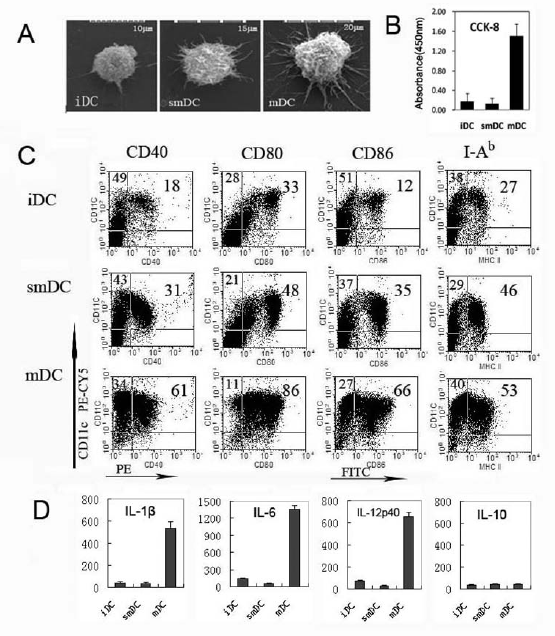
Figure 1. Figure A: morphous of iDCs, smDCs or mDCs was observed by
SEM (×3000). Figure B: BALB/c mice splenocytes were used as responding cells and
mitomycin-treated iDCs, smDCs or mDCs of C57BL/6J mice were used as stimulating
cells. The index of splenocyte proliferation was assessed by CCK-8 kit. Figure
C: cell surface markers of iDCs, smDCs or mDCs were marked with antibodies of
CD11c, CD40, CD80, CD86, and MHC-II (I-Ab) and analyzed by flow cytometry (FCM)
with 104 fluorescence cells. Figure D: IL-1 beta, IL-6, IL-10, and IL-12p40
secreted by iDCs, smDCs, and mDCs were detected by ELISA.
Abbreviations: iDC, immature dendritic cells; mDC, mature
dendritic cells; smDC, semimature dendritic cells.
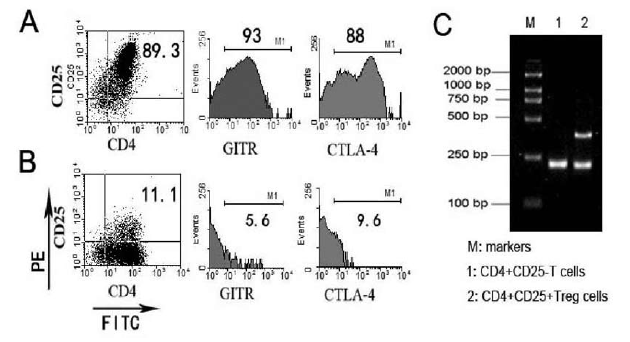
Figure 2. Myeloid smDCs of C57BL/6J or an equal volume of PBS were injected into
BALB/C mice on the 1st, 3rd, 5th, and 9th days. On the 21st day,
CD4+CD25+ Treg and CD4+CD25- T cells in spleens were separated and selected by
magnetic activated cell sorting (MACS). The obtained cells were stained
and analyzed for expression of CD4, CD25, GITR and CTLA-4(CD152). Figure A: BALB/c
mice CD4+CD25+Treg cells highly expressed CD4, CD25, GITR,
and CTLA-4. Figure B: CD4+CD25+ T cells expressed extremely low these cell
surface markers. Figure C: RNA was extracted from 2 × 10⁶ CD4+CD25+ Treg
or CD4+CD25- T cells and was reversely transcribed to cDNA. The Foxp3 gene as
well as the constitutively expressed+-actin gene (221bp) were amplified by
RT-PCR. Gene-specific 381bp of Foxp3 was remarkably expressed by CD4+CD25+ Treg
cells, but CD4+ CD25- T cells did not express any.
Abbreviations: CTLA-4, cytotoxic T lymphocyte antigen; GITR, glucocorticoid
induced tumor necrosis factor receptor.
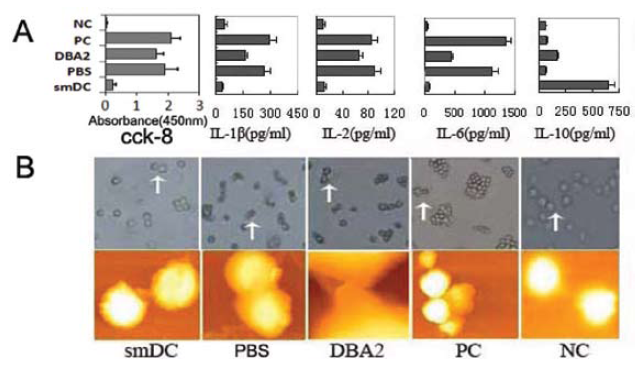
Figure 3. We established MLR in which CD4+CD25-T cells isolated from BALB/c mice that were pretreated with donor smDCs, worked as effector cells. Mitomycin-treated splenocytes of C57BL/6J, DBA2 or BALB/c mice served as stimulating cells (the volumes of both stimulating and responding cells were 1 × 10⁶ cells in 1 ml). smDC: smDCs-activated CD4+CD25+ Tr (described in Methods) were added into the reaction wells; PBS: PBS-pretreated CD4+CD25+ Tr (described as Methods) were added into reaction wells. DBA2: smDCs-activated CD4+CD25+ Treg cells were added with DBA2 mice splenocytes serving as stimulating cells. PC (positive control): no cell was added except effector cells and C57BL/6J mice splenocytes. NC (negative control): effecors and stimulation cells were splenocytes of BALB/c mice and no other cell was added. After 72-hour reaction. Figure 3A: Proliferation of effector T cells was assessed by CCK-8 kit, and levels of IL-1beta, IL-2, IL-6, and IL-10 in the cocultured supernatant were tested by ELISA reagent kits. Figure 3B: cell relationship in the reacting wells was directly detected by Atomic Force Microscope (AFM). Cells were directly scanned by silicon nitride touch needle with 10 nm radius at 0.2-1.0 Hz scanning speed and about 2.8N/m force constant, and untouched-pattern images were analyzed by AFM software (Autoprobe CP Research, Veeco, USA, IP 2.1 copyright). Cells were observed under ×100 optical microscope at the same time.