Volume: 24 Issue: 9 September 2026
FULL TEXT
Hepatitis B Virus Recurrence After Liver Transplant for Hepatitis B Virus-Related Liver Disease: A Retrospective Analysis of Hepatitis B Immunoglobulin Discontinuation
Objectives: Hepatitis B virus recurrence after liver transplant remains a clinically relevant issue, but the optimal duration and safety of hepatitis B im-munoglobulin therapy, particularly its discontinuation, remain unclear. Here, we evaluated the incidence and risk factors of posttransplant hepatitis B virus recurrence and assessed outcomes following elective dis-continuation of hepatitis B immunoglobulin in a real-world cohort.
Materials and Methods: We conducted a retrospective single-center cohort study of consecutive adult patients who underwent liver transplant for hepatitis B virus-related liver disease between 1997 and 2023. Hepatitis B virus recurrence was defined as the reappearance of hepatitis B surface antigen and/or detectable hepatitis B virus DNA. We used Cox proportional hazards models to identify factors associated with recurrence and overall survival. We conducted a predefined subgroup analysis to evaluate patients who underwent elective discontinuation of hepatitis B immunoglobulin during antiviral therapy.
Results: Among 254 liver transplant recipients, 39 (15.4%) developed posttransplant hepatitis B virus recurrence. In multivariable analysis, pretransplant hepatitis B virus DNA levels >5 log10 copies/mL (hazard ratio 3.68; 95% CI, 1.82-7.46) and hepato-cellular carcinoma at transplant (hazard ratio 2.38; 95% CI, 1.22-4.65) were independently associated with recurrence, whereas hepatitis D virus coinfection was inversely associated (hazard ratio 0.18; 95% CI, 0.08-0.43). Elective hepatitis B immunoglobulin dis-continuation was not associated with increased hepatitis B virus recurrence and was primarily performed in clinically selected low-risk patients. Posttransplant hepatitis B virus recurrence was associated with reduced overall survival.
Conclusions: In this long-term, real-world cohort, posttransplant hepatitis B virus recurrence was mainly driven by the pretransplant viral burden and oncological factors. Elective hepatitis B immunoglobulin discon-tinuation in carefully selected patients was not associated with increased recurrence, likely reflecting the underlying risk stratification rather than a causal protective effect. These findings support the use of individualized risk-based hepatitis B immunoglobulin strategies after liver transplant.
Key words : HBIG, HBV, Hepatitis D, Individualized treatment, Prognosis
Introduction
Hepatitis B virus (HBV) infection remains a major global public health problem and is one of the leading causes of chronic liver disease, cirrhosis, hepatocellular carcinoma (HCC), and liver-related mortality worldwide.1 Approximately 30% of the global population has serological evidence of current or past HBV infection, and, despite the World Health Organization’s global hepatitis elimination targets, HBV continues to represent a major cause of chronic liver disease and liver-related mortality worldwide.2-4 Despite advances in antiviral therapy, chronic hepatitis B continues to account for a substantial proportion of end-stage liver disease requiring liver transplant (LT).5
The introduction of effective nucleos(t)ide ana-logues has significantly improved the long-term outcomes of patients with chronic hepatitis B by suppressing viral replication, reducing hepatic inflammation and fibrosis progression, and lowering the risk of HCC.6 In LT candidates and recipients, appropriate selection of antiviral therapy is particularly important, as durable viral suppression before and after transplant plays a central role in preventing graft reinfection and ensuring long-term graft and patient survival.7 Nevertheless, a subset of patients progresses to decompensated cirrhosis or develops HBV-related HCC despite antiviral therapy, necessitating LT as the only definitive treatment option. However, following LT, HBV recurrence remains a critical concern, as graft reinfection may lead to graft dysfunction, graft loss, and reduced patient survival if not adequately prevented.8
Recurrence of HBV after LT is defined as the reappearance of hepatitis B surface antigen (HBsAg), with or without detectable HBV DNA, in the posttransplant period.9,10 The use of hepatitis B immunoglobulin (HBIG), initially as monotherapy and later in combination with nucleos(t)ide analogs, has dramatically reduced posttransplant HBV recurrence rates from approximately 80% in the pre-prophylaxis era to below 10% in contemporary series.9-11 Consequently, current guidelines recom-mend combining HBIG and antiviral therapy as the standard prophylactic strategy following LT for HBV-related liver disease.9,12 However, considerable uncertainty remains on the optimal dose, route of administration, duration, and potential discon-tinuation of HBIG therapy.
Several risk factors for posttransplant HBV recurrence have been identified, including high pretransplant HBV DNA levels, hepatitis B e antigen (HBeAg) positivity, pretransplant or recurrent HCC, antiviral drug resistance, and posttransplant immuno-suppressive or oncological therapies.13,14 In addition, hepatitis D virus (HDV) coinfection may influence viral dynamics and recurrence risk, although its role remains incompletely understood.14 Given the high cost, lifelong parenteral administration, limited availability, and potential adverse effects of HBIG, many transplant centers have explored HBIG minimization or discontinuation strategies, particu-larly in patients considered to be at low risk for HBV recurrence.15 Despite multiple studies that addressed this issue, no consensus has been reached on the optimal timing or safety of HBIG discontinuation after LT.
This retrospective cohort study aimed to evaluate the incidence and risk factors of HBV recurrence after LT for HBV-related liver disease at a single tertiary transplant center. In addition, we specifically inves-tigated the effects of HBIG discontinuation on HBV recurrence in patients who were HBsAg-negative at the time of HBIG withdrawal. We hypothesized that, in carefully selected patients without major risk factors for HBV recurrence, discontinuation of HBIG after a defined posttransplant period may be a safe strategy when combined with ongoing antiviral therapy.
Materials and Methods
Study design and patient population
For this retrospective single-center cohort study, we included adult patients who underwent LT for HBV-related acute or chronic liver failure between February 1997 and July 2023. All patients were followed-up longitudinally at a tertiary LT outpatient clinic. For recipients of living donor transplants, donors were either biologically related up to the fourth degree or were legal spouses, and donors were at least 18 years old at the time of donation. Patients younger than 18 years of age at the time of LT and those with incomplete clinical data were excluded.
Inclusion criteria were (1) age ≥18 years at the time of LT, (2) LT performed for HBV-related acute or chronic liver disease, and (3) availability of posttransplant follow-up data. Exclusion criteria were (1) age <18 years, (2) insufficient clinical or virological data, and (3) death within the first month after LT to avoid immortal time bias.
During the study period, 617 LTs were performed, of which 289 were indicated for HBV-related liver disease. After exclusion of patients with insufficient data (n = 8) and those aged <18 years (n = 1), 280 patients were eligible for evaluation. To assess factors associated with posttransplant HBV recurrence, patients who died within the first month after LT (n = 26) were excluded to avoid immortal time bias, resulting in a final study cohort of 254 patients.
We conducted a predefined subgroup analysis to evaluate the effect of HBIG discontinuation on HBV recurrence. This subgroup included patients with at least 12 months of posttransplant follow-up who had elective HBIG discontinuation while being HBsAg-negative at the time of withdrawal (n = 126). The study flow diagram is shown in Figure 1.
Data collection
We collected retrospective clinical, demographic, laboratory, and treatment-related data from elec-tronic medical records. Variables included age and sex, donor type, presence of HCC before and after LT, viral coinfections (hepatitis D and C), alcohol use disorder, pretransplant antiviral therapy, pretransplant Child-Pugh score, and pretransplant HBV serological and virological markers.
Variables related to HBIG included the dose administered during the anhepatic phase, main-tenance dose and route of administration, duration of therapy, discontinuation status, reason for discontinuation, and antiviral agent used at the time of HBIG withdrawal. Additional variables included lamivudine resistance, posttransplant chemotherapy, retransplant, patient survival, and cause of death.
Patients had routine monitoring of HBV DNA levels and serological markers before and after LT as part of the standard clinical follow-up, although the frequency of testing varied over time according to clinical practice.
Antiviral and hepatitis B immunoglobulin prophylaxis
All patients received antiviral prophylaxis with nucleos(t)ide analogs before and after LT according to standard clinical practice.9 The choice of antiviral agent (lamivudine, tenofovir, entecavir, or others) was based on the treatment era and physician preference.
Patients received HBIG during the anhepatic phase, followed by maintenance therapy, with dose, route, and duration individualized according to clinical protocols and evolving practice over time.9
In the posttransplant period, combined pro-phylaxis with HBIG and antiviral therapy is the standard approach. In selected patients with sustained viral suppression, HBsAg negativity, and the absence of high-risk features, elective discontinuation of HBIG is considered at the discretion of the treating physicians while maintaining antiviral therapy.
Definitions
Posttransplant HBV recurrence was defined as the reappearance of serum HBsAg and/or detectable HBV DNA levels after LT. Elective HBIG discon-tinuation was defined as planned withdrawal of HBIG in clinically stable patients who were HBsAg-negative and receiving ongoing nucleos(t)ide analog therapy, excluding discontinuation due to HBV recurrence or graft dysfunction.
Ethics
The study protocol was approved by the Dokuz Eylul University Non-Interventional Research Ethics Committee (approval date: August 9, 2023; decision number: 2023/26-02). As this was a retrospective study, the requirement for informed consent was waived, and no external funding was required. The study was conducted in accordance with the principles of the Declaration of Helsinki and Declaration of Istanbul and reported in accordance with the STROBE guidelines.
Statistical analyses
We performed statistical analyses using SPSS Statistics version 24 (IBM Corp). We assessed nor-mality of continuous variables with the Kolmogorov-Smirnov test and expressed continuous variables as mean ± SD or median with interquartile range, as appropriate. We expressed categorical variables as numbers and percentages. We performed group comparisons using the Mann-Whitney U test for nonnormally distributed continuous variables and the χ2 or Fisher exact test for categorical variables.
We used Kaplan-Meier survival curves to conduct time-to-event analyses, which were compared using the log-rank test. We used Cox proportional hazards regression models to identify factors independently associated with posttransplant HBV recurrence and overall survival. We included variables with P < .10 in univariable analysis and those considered clinically relevant in multivariable models. We limited the number of variables included in the final models to avoid overfitting considering the number of events. Missing data were handled using a complete-case analysis, and no imputation was performed. Statistical significance was defined as 2-sided P < .05.
Results
Baseline characteristics according to hepatitis B virus recurrence
Among the 254 LT recipients included in the analysis, 39 (15.4%) developed posttransplant HBV recurrence. Age, sex distribution, and donor type were similar between the patients with and without HBV recu-rrence (Table 1).
Hepatocellular carcinoma at LT was more fre-quent in patients with HBV recurrence (56.4% vs 34.4%; P = .005), whereas HDV coinfection was less common in this group (23.1% vs 53.5%; P < .001). The mean Model for End-Stage Liver Disease (MELD) score at LT was lower in patients with HBV re-currence (12.8 ± 4.6 vs 14.9 ± 5.5; P = .049), whereas distribution of Child-Pugh classes was comparable between recurrence and nonrecurrence groups.
Hepatitis B virus DNA positivity at transplant was observed more frequently in patients with recurrence (58.9% vs 31.2%; P = .001), including higher rates of HBV DNA levels exceeding 5 log 10 copies/mL (30.8% vs 6.9%; P < .001). Pretransplant HBeAg positivity and antiviral therapy regimens were similar between the groups.
Posttransplant outcomes and hepatitis B immunoglobulin-related variables
The median follow-up duration was shorter in patients with HBV recurrence than in those without (118 vs 145 months; P = .028) (Table 2). Hepatocellular carcinoma recurrence occurred more frequently in the HBV recurrence group (25.6% vs 5.1%; P < .001), and posttransplant chemotherapy was more com-mon in these patients (25.6% vs 5.6%; P < .001). Overall mortality was higher among patients with HBV recu-rrence than in those without (51.3% vs 30.2%; P = .010), and HBV-related causes of death were exclusively observed in this group (10.3% vs 0%; P < .001).
Overall HBIG discontinuation during follow-up was more frequent in patients who developed HBV recurrence (76.9% vs 51.6%; P = .003). However, the rate of HBIG discontinuation before recurrence did not differ between groups (38.5% vs 51.6%; P = .130). The total duration of HBIG use was shorter in patients with recurrence (47 vs 119 months; P < .001). Lamivudine resistance and posttransplant chemo-therapy were observed more frequently in patients with HBV recurrence, whereas the route of HBIG administration and retransplant rates were similar between the groups.
Factors associated with posttransplant hepatitis B virus recurrence
In the univariable Cox analysis, higher pretransplant HBV DNA levels (>5 log10 copies/mL), presence of HCC, absence of HDV coinfection, lower MELD score, and HBIG discontinuation before HBV recurrence were associated with posttransplant HBV recurrence (Table 3).
In multivariable analysis, pretransplant HBV DNA levels >5 log10 copies/mL (hazard ratio [HR] 3.68; 95% CI, 1.82-7.46), presence of HCC (HR 2.38; 95% CI, 1.22-4.65), and absence of HDV coinfection (HR 0.18; 95% CI, 0.08-0.43) remained independently associated with HBV recurrence. Hepatitis B immunoglobulin discontinuation before HBV re-currence was associated with a lower risk of posttransplant HBV recurrence (HR 0.20; 95% CI, 0.09-0.45).
Clinical context of elective hepatitis B immunoglobulin discontinuation
Patients in whom HBIG was electively discontinued and those who continued HBIG therapy had comparable demographic characteristics, donor type, pretransplant HBV virological markers, antiviral treatment profiles, and liver disease severity at the time of LT (Table 4).
Hepatitis D virus coinfection was more frequent among patients who continued HBIG therapy.
The median follow-up duration was longer in the discontinuation group than in the continuation group. During follow-up, HCC recurrence and posttransplant chemotherapy were less frequent in patients in whom HBIG was discontinued. Recurrence of HBV occurred in 11.9% of the patients after HBIG discontinuation and in 18.8% of those who continued HBIG therapy. Importantly, the higher overall rate of HBIG discontinuation in patients with recurrence was largely driven by discontinuation after recurrence rather than by elective withdrawal before recurrence.
Patients with hepatitis D virus recurrence
Posttransplant HDV recurrence was observed in 3 male patients aged 18, 41, and 48 years, all of whom had undergone deceased donor LT for HBV-HDV-related liver disease without HCC. Two patients were HBeAg-negative/anti-HBe-positive at LT, whereas 1 patient was HBeAg-positive. Pretransplant HBV DNA was detectable in 2 patients and undetectable in 1 patient.
Hepatitis D virus recurrence occurred at 12, 15, and 172 months after LT. In 2 patients, both HBIG and nucleos(t)ide analog therapy were discontinued by the patients themselves before recurrence. In the remaining patient, antiviral therapy was continued and HBIG prophylaxis was ongoing at the time of HDV recurrence. None of the patients experienced HCC recurrence or received posttransplant chemotherapy.
Overall survival analyses
In the univariate analysis, older age, male sex, presence of HCC, absence of HDV coinfection, HBIG continuation, and posttransplant HBV recurrence were associated with overall survival (Table 5).
In multivariable Cox regression analysis, HDV coinfection and elective discontinuation of HBIG remained associated with overall survival, whereas age, sex, donor type, and liver disease severity at LT were not retained in the final model.
Kaplan-Meier curves showed different overall sur-vival distributions according to HBIG discontinuation status (log-rank χ² = 50.77, P < .001) (Figure 2).
Overall survival differed according to post-transplant HBV recurrence status, with shorter survival observed in patients who developed HBV recurrence during follow-up (log-rank χ² = 8.03, P = .005) (Figure 3).
Discussion
In this single-center retrospective cohort of LT recipients transplanted for HBV-related liver disease, posttransplant HBV recurrence was associated with a high pretransplant viral burden, presence of HCC, and absence of HDV coinfection. In contrast, elective discontinuation of HBIG before HBV recurrence was associated with a lower risk of posttransplant HBV recurrence despite a longer follow-up duration in this group. Patients in whom HBIG was discontinued also demonstrated fewer posttransplant oncological events and reduced exposure to chemotherapy while maintaining comparable virological profiles at the time of transplant. In addition, both posttransplant HBV recurrence and continued HBIG use were associated with a shorter overall survival. Together, these findings suggest that HBIG discontinuation in appropriately selected patients may reflect underlying risk stratification rather than increased susceptibility to HBV recurrence and underscore the importance of individualized posttransplant prophylaxis strategies.
In the present single-center cohort of 254 adult LT recipients transplanted for HBV-related liver disease, the median recipient age was in the early fifth decade and most patients were male, with a mean MELD score comparable to those reported in large European registry studies.16 In the European Liver Transplant Registry analysis,16 which included 5912 HBV-transplanted patients, recipients were predominantly male (75%) with a mean age of 52 ± 9 years and a mean MELD score of 19, closely aligning with the demographic and disease severity profile of our cohort. Similarly, the proportion of patients transplanted for HBV-associated HCC in our study was within the range reported in European cohorts, where approximately one-fifth to one-quarter of HBV-related transplants were performed for HCC.1 These similarities suggest that, despite its single-center design, our cohort is broadly representative of HBV LT populations.
The present study adds to the existing literature by providing long-term real-world data from a single center with more than 2 decades of follow-up. In contrast to many previous studies with shorter follow-up periods or highly selected populations, our cohort reflects routine clinical practice and includes a substantial proportion of patients with HDV coinfection.8,11
This is particularly relevant, as HDV coinfection remains underrepresented in many transplant studies, despite its clinical importance in certain geographic regions. In addition, our study provides insights into HBIG discontinuation strategies in a risk-stratified clinical setting, which remains an area of ongoing debate.5,7,10
In line with national data from Turkey showing a relatively high burden of viral hepatitis-related LT, with HBV accounting for 23% of all transplants and a high proportion of HCC among HBV patients (57%), our cohort differs from US registry data where HDV patients were less frequently transplanted for HCC (38% vs 51% in HBV) and reflects regional epidemiological patterns distinct from Western cohorts.16-18
In the era of potent nucleos(t)ide analogue-based prophylaxis, HBV recurrence after LT has become an infrequent but clinically relevant event.19 A meta-analysis of 2327 patients reported a pooled HBV recurrence rate of approximately 1%, with negligible HBV-related mortality and comparable outcomes between finite HBIG use combined with potent antivirals and life-long dual prophylaxis.19 In contrast, real-world cohorts, characterized by higher rates of living donor LT and a substantial burden of HBV-related HCC, have reported higher HBV recurrence rates (around 20%), yet similarly low HBV-related mortality, indicating that recurrence does not uniformly translate into adverse survival outcomes.14 In line with these observations, our long-term single-center cohort spanning more than 2 decades demonstrated a high HBV recurrence rate but low incidence of HBV recurrence-related death despite prolonged follow-up, suggesting that contemporary antiviral strategies effectively mitigate the clinical consequences of recurrence.
In our cohort, posttransplant HBV recurrence was associated with markers of higher baseline disease risk rather than the prophylaxis strategy itself. Patients who developed HBV recurrence more frequently had HCC at transplant and indicators of increased pretransplant viral activity, whereas elective dis-continuation of HBIG was not associated with recurrence. These findings are consistent with prior reports showing that oncological status and pretransplant viral burden remain the principal determinants of posttransplant HBV recurrence in the nucleos(t)ide analog era, whereas the incremental protective effect of prolonged HBIG administration appears limited in clinically selected low-risk patients.20-22
The observed association between HBIG discon-tinuation and lower risk of HBV recurrence should be interpreted with caution. This finding is most likely attributable to a clinical selection bias rather than the true protective effect of HBIG withdrawal. In routine practice, HBIG is electively discontinued in patients with sustained viral suppression, persistent HBsAg negativity, and absence of high-risk features such as active viremia or aggressive oncological disease.
Therefore, HBIG discontinuation in this context likely represents a surrogate marker of a more favo-rable baseline risk profile, reflecting clinician-driven risk stratification, rather than an independent factor reducing recurrence risk. Accordingly, these findings should not be interpreted as evidence to support the causal protective role of HBIG discontinuation.
An important observation in our cohort concerns the circumstances surrounding posttransplant HDV recurrence. Two of our study patients discontinued both HBIG and nucleos(t)ide analog therapy before recurrence, suggesting an association between loss of antiviral suppression and HDV reactivation. In contrast, 1 patient developed HDV recurrence despite ongoing antiviral therapy and continuous HBIG prophylaxis, indicating that HBIG alone may be insufficient to prevent HDV recurrence.
At our center, lifelong HBIG has traditionally been maintained in transplant recipients with HBV-HDV coinfection because of the limited and problematic therapeutic options for HDV recurrence after transplant. However, the close link between HDV recurrence and antiviral treatment interruption in our cohort raises the hypothesis that, in the era of potent nucleos(t)ide analog therapy, sustained viral suppression may be more critical than prolonged passive immunization, warranting reevaluation of lifelong HBIG strategies in selected patients.
This study had several important strengths. First, our study was conducted at a single center, reflecting a relatively homogeneous and consistent clinical approach to posttransplant HBV prophylaxis over a long observation period and allowing for meaningful assessment of HBV recurrence and HBIG man-agement strategies in a complex clinical setting. Second, despite the retrospective design, the study provided real-world data spanning more than 2 decades, capturing changes in antiviral therapy and transplant practice. Notably, our cohort included a substantial number of patients transplanted for HBV-related liver disease with HDV coinfection, rep-resenting a larger single-center series with extended follow-up in this specific population.
This study had several limitations. The retros-pective nature of our study precluded causal inference, and the observed associations, particularly regarding HBIG discontinuation, should be inter-preted to reflect clinical practice patterns rather than treatment effects. Importantly, elective HBIG discon-tinuation was more frequently applied in patients with a more favorable posttransplant course, sug-gesting that this finding likely reflects patient selection and risk stratification rather than the protective effect of HBIG withdrawal itself. Detailed data on HBIG dosing regimens were not consistently available for all patients and were therefore not analyzed. Although clinically relevant comorbidities were recorded, the retrospective design limited the completeness and granularity of these data, including adherence to long-term antiviral therapy, which could not be reliably assessed and was not included in the analysis. Adherence to long-term antiviral therapy could not be reliably assessed owing to the retros-pective design and lack of standardized adherence measures. In addition, the number of HBV recurrence events was relatively limited, which may have restricted the precision of the multivariable analyses. Survival analyses were performed in a heterogeneous cohort and should be considered exploratory, intended to illustrate the clinical context and consequences of HBV recurrence and HBIG management, rather than to define definitive prognostic models. Given the small number of HDV recurrence events, no causal inferences can be drawn from these observations. Our findings should be regarded as hypothesis-generating and underscore the need for prospective multicenter studies focusing on antiviral adherence and optimized HBIG strategies in transplant recipients with HBV-HDV coinfection. Finally, as a single-center experience, the generalizability of these findings to other transplant populations and health care systems may be limited.
In conclusion, posttransplant HBV recurrence was relatively infrequent in our study cohort and appeared to be associated with pretransplant viral burden and oncological factors. Elective HBIG discontinuation in HBsAg-negative patients did not appear to be associated with increased HBV recurrence and was predominantly performed in clinically low-risk recipients. These findings suggest that HBIG use after LT may be considered within an individualized risk-based framework rather than a uniform long-term approach.
References:
- Feng G, Yilmaz Y, Valenti L, et al. Global burden of major chronic liver diseases in 2021. Liver Int. 2025;45(4):e70058. doi:10.1111/liv.70058
CrossRef - PubMed - Im YR, Jagdish R, Leith D, et al. Prevalence of occult hepatitis B virus infection in adults: a systematic review and meta-analysis. Lancet Gastroenterol Hepatol. 2022;7(10):932-942. doi:10.1016/S2468-1253(22)00201-1
CrossRef - PubMed - Alaama AS, Khattabi H, Mugisa B, Atta H, Hermez J, Hutin YJ. Progress towards elimination of viral hepatitis by 2030 in the WHO Eastern Mediterranean Region, 2019. Lancet Gastroenterol Hepatol. 2022;7(9):862-870. doi:10.1016/S2468-1253(22)00082-6
CrossRef - PubMed - Abakay S, Döngelli H, Danış N, et al. Prevalence and screening rates of hepatitis B and hepatitis C infections in adult patients with solitary organ tumors. Trop Med Infect Dis. 2025;10(9):258. doi:10.3390/tropicalmed10090258
CrossRef - PubMed - Akarsu M, Dolu S, Harputluoglu M, et al. Changing trends in the etiology of liver transplantation in Türkiye: a multicenter study. Hepatol Forum. 2024;5(1):3-6. doi:10.14744/hf.2023.2023.0010
CrossRef - PubMed - Howell J, Seaman C, Wallace J, et al. Pathway to global elimination of hepatitis B: HBV cure is just the first step. Hepatology. 2023;78(3):976-990. doi:10.1097/HEP.0000000000000430
CrossRef - PubMed - Döngelli H, Danış N, Ünek T, et al. Comparative analysis of tenofovir alafenamide and entecavir on renal function and serum lipids in liver transplant recipients: a controlled retrospective cohort study. BMC Gastroenterol. 2025;25(1):645. doi:10.1186/s12876-025-04262-7
CrossRef - PubMed - Burra P, Battistella S, Turco L, et al. Liver transplantation for HBV-related liver disease: impact of prophylaxis for HBV on HCC recurrence. JHEP Rep. 2024;7(3):101278. doi:10.1016/j.jhepr.2024.101278
CrossRef - PubMed - Duvoux C, Belli LS, Fung J, et al. 2020 position statement and recommendations of the European Liver and Intestine Transplantation Association (ELITA): management of hepatitis B virus-related infection before and after liver transplantation. Aliment Pharmacol Ther. 2021;54(5):583-605. doi:10.1111/apt.16374
CrossRef - PubMed - Akarsu M, Onem S, Turan I, et al. Recommendations for hepatitis B immunoglobulin and antiviral prophylaxis against hepatitis B recurrence after liver transplantation. Turk J Gastroenterol. 2021;32(9):712-719. doi:10.5152/tjg.2021.21608
CrossRef - PubMed - Lai Q, Mennini G, Giovanardi F, Rossi M, Giannini EG. Immunoglobulin, nucleos(t)ide analogues and hepatitis B virus recurrence after liver transplant: a meta-analysis. Eur J Clin Invest. 2021;51(8):e13575. doi:10.1111/eci.13575
CrossRef - PubMed - Lucey MR, Terrault N, Ojo L, et al. Long-term management of the successful adult liver transplant: 2012 practice guideline by the American Association for the Study of Liver Diseases and the American Society of Transplantation. Liver Transpl. 2013;19(1):3-26. doi:10.1002/lt.23566
CrossRef - PubMed - Liu M, Sun LY, Zhu ZJ, Wu SS. Risk factors for recurrent hepatitis B after liver transplantation: a systematic review and meta-analysis. Chin Med J (Engl). 2021;134(19):2388-2390. doi:10.1097/CM9.0000000000001580
CrossRef - PubMed - Baskiran A, Akbulut S, Sahin TT, et al. Effect of HBV-HDV co-infection on HBV-HCC co-recurrence in patients undergoing living donor liver transplantation. Hepatol Int. 2020;14(5):869-880. doi:10.1007/s12072-020-10085-3
CrossRef - PubMed - Kim KD, Lee JE, Kim JM, et al. Cost-effectiveness and long-term outcomes of liver transplantation using hepatitis B core antibody-positive grafts with hepatitis B immunoglobulin prophylaxis in Korea. Clin Mol Hepatol. 2021;27(4):603-615. doi:10.3350/cmh.2021.0137
CrossRef - PubMed - Burra P, Germani G, Adam R, et al. Liver transplantation for HBV-related cirrhosis in Europe: an ELTR study on evolution and outcomes. J Hepatol. 2013;58(2):287-296. doi:10.1016/j.jhep.2012.10.016
CrossRef - PubMed - Kushner T, Da BL, Chan A, Dieterich D, Sigel K, Saberi B. Liver transplantation for hepatitis D virus in the United States: a UNOS study on outcomes in the MELD era. Transplant Direct. 2021;8(1):e1253. doi:10.1097/TXD.0000000000001253
CrossRef - PubMed - Serin A, Sahin T, Arikan BT, Emek E, Bozkurt B, Tokat Y. A changing etiologic scenario in liver transplantation: a single-center cohort study from Turkey. Transplant Proc. 2019;51(7):2416-2419. doi:10.1016/j.transproceed.2019.01.190
CrossRef - PubMed - Li MS, Hou ZH, Yao GZ, Tan M. The strategy and efficacy of prophylaxis against hepatitis B virus recurrence after liver transplantation for HBV-related diseases in the era of potent nucleos(t)ide analogues: a meta-analysis. J Dig Dis. 2021;22(2):91-101. doi:10.1111/1751-2980.12959
CrossRef - PubMed - Na GH, Kim DG, Han JH, et al. Prevention and risk factors of hepatitis B recurrence after living donor liver transplantation. J Gastroenterol Hepatol. 2014;29(1):151-156. doi:10.1111/jgh.12403
CrossRef - PubMed - Yu J, Ye Y, Liu J, et al. The role of hepatitis B core-related antigen in predicting hepatitis B virus recurrence after liver transplantation. Aliment Pharmacol Ther. 2019;50(9):1025-1036. doi:10.1111/apt.15429
CrossRef - PubMed - Teegen EM, Maurer MM, Globke B, Pratschke J, Eurich D. Liver transplantation for Hepatitis-B-associated liver disease - three decades of experience. Transpl Infect Dis. 2019;21(1):e12997. doi:10.1111/tid.12997
CrossRef - PubMed

Volume : 24
Issue : 9
Pages : 728 - 737
DOI : 10.6002/ect.2026.0025
From the 1Department of Internal Medicine, the 2Department of Gastroenterology, the 3Department of General Surgery, and the 4Department of Infectious Disease, Dokuz Eylul University Hospital, Izmir, 35000, Türkiye
Acknowledgements: The authors have not received any funding or grants in support of the presented research or for the preparation of this work and have no declarations of potential conflicts of interest.
Corresponding author: Hüseyin Döngelli, Dokuz Eylul Universitesi Hastanesi, Department of Internal Medicine, Mithatpasa St. No:56, Balcova/Izmir 35000, Türkiye
Phone: +90 538 335 2393 E-mail:drhuseyindongelli@gmail.com
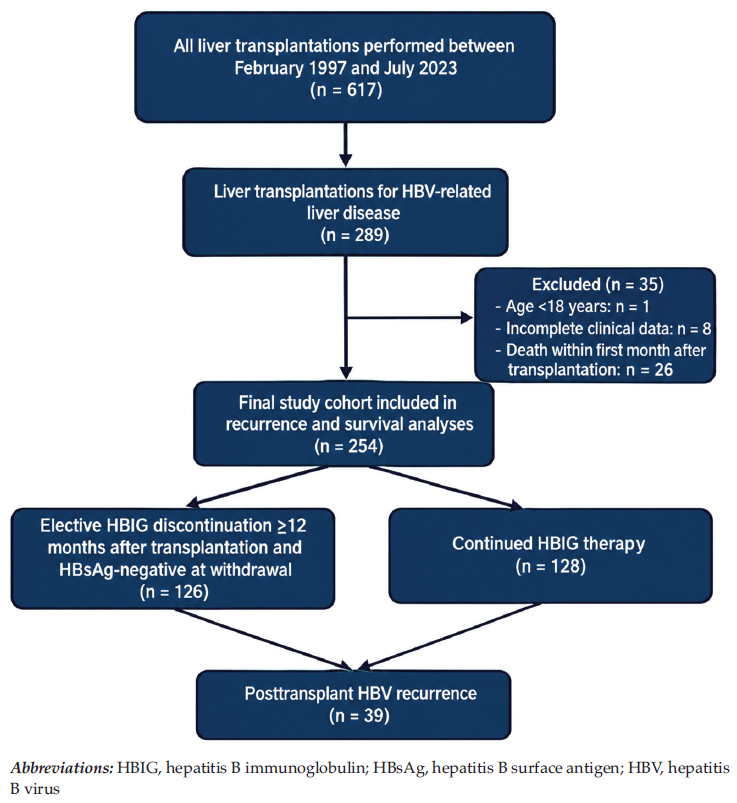
Figure 1. Flowchart Showing Patient Selection
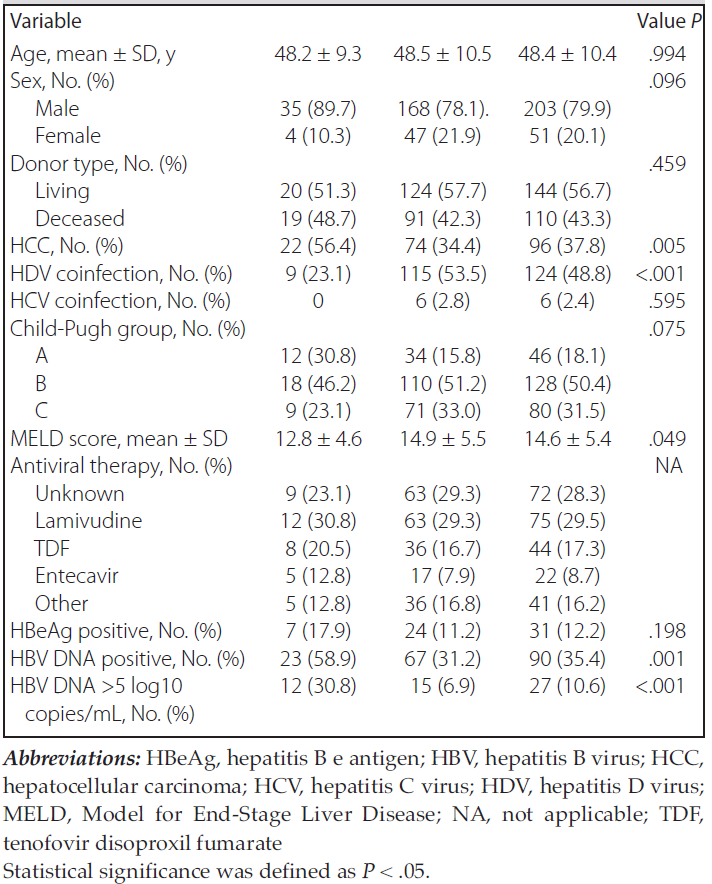
Table 1. Baseline Characteristics of Liver Transplant Recipients With and Without Posttransplant Hepatitis B Virus Recurrence
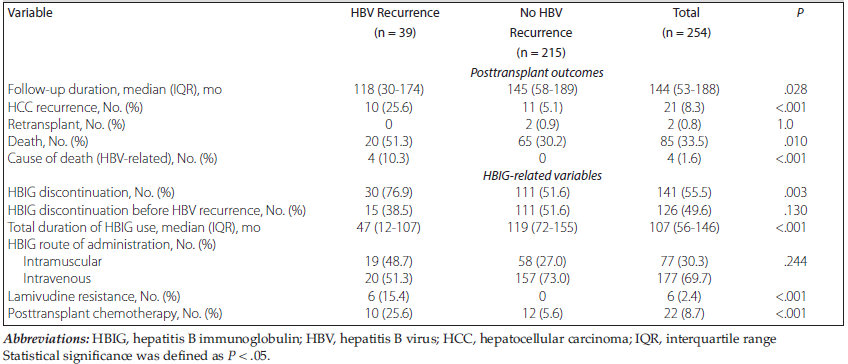
Table 2. Posttransplant Outcomes and Hepatitis B Immunoglobulin-Related Variables According to Hepatitis B Virus Recurrence Status
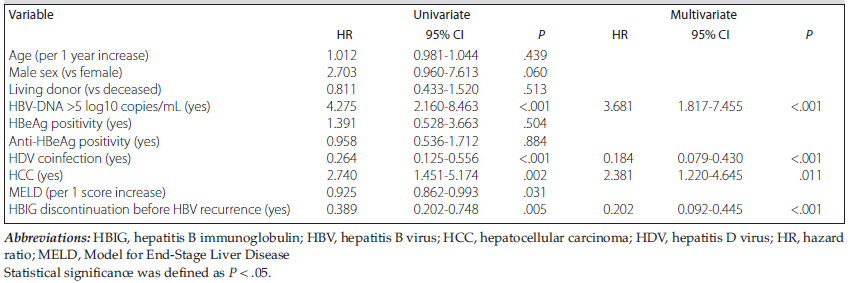
Table 3. Multivariable Cox Proportional Hazards Analysis of Factors Associated With Posttransplant Hepatitis B Virus Recurrence (n = 254)
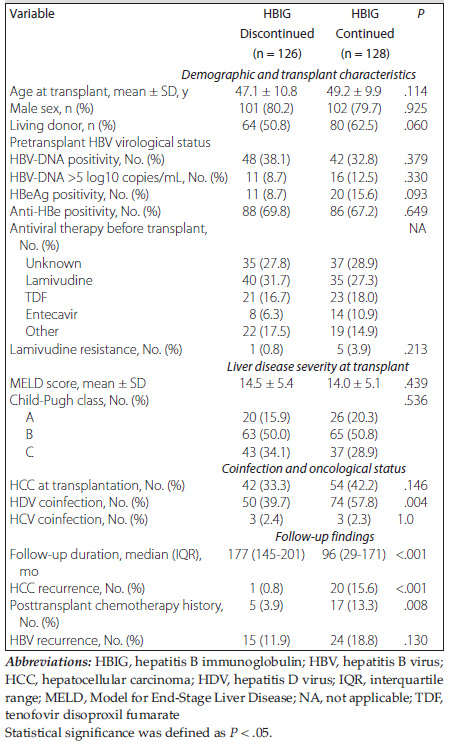
Table 4. Clinical Context and Posttransplant Events According to Elective
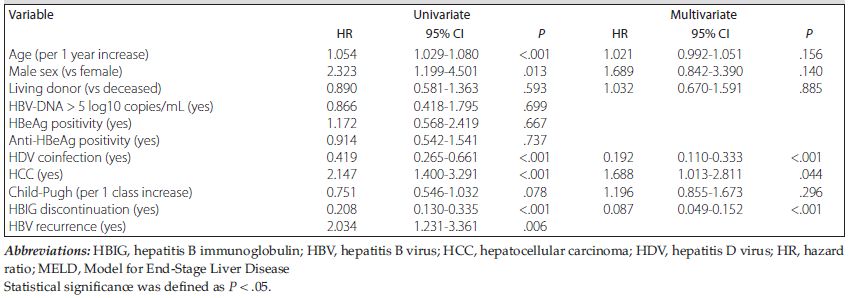
Table 5. Multivariable Cox Proportional Hazards Analysis of Factors Associated With Overall Survival (n = 254)
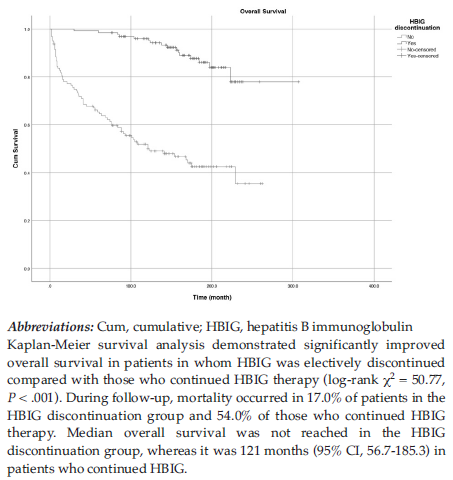
Figure 2. Kaplan-Meier Overall Survival Curves According to Hepatitis B Immunoglobulin Discontinuation Status After Liver Transplant
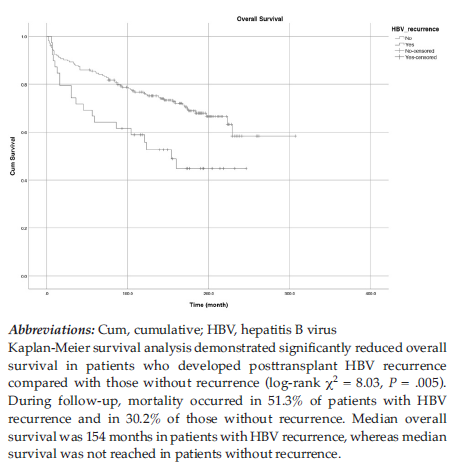
Figure 3. Kaplan-Meier Overall Survival Curves According to Posttransplant Hepatitis B Virus Recurrence