Volume: 24 Issue: 8 August 2026
FULL TEXT
Independent Risk Architecture of 7-Day Graft Loss After Adult Simultaneous Pancreas-Kidney Transplantation: A National Registry Analysis
Objectives: Seven-day graft loss after simultaneous pancreas-kidney transplant remains incompletely characterized. This retrospective registry analysis examined the incidence, etiologies, and predictors of 7-day graft loss after simultaneous pancreas-kidney transplant.
Materials and Methods: We analyzed all adult deceased donor simultaneous pancreas-kidney transplant recipients from the Organ Procurement and Transplantation Network (2015-2024). We compared recipients who had 7-day graft loss (ie, pancreas graft failure, kidney graft failure, or death within 7 postoperative days [non-death-censored]) with recipients who had achieved at least 1-year dual-graft survival. We used multivariable logistic regression to identify predictors.
Results: Among 6362 recipients, 304 (4.8%) expe-rienced 7-day graft loss. Pancreas graft failure predominated (94.4% vs 12.5%; P < .001), followed by kidney graft failure (32.2% vs 12.4%; P < .001). Thrombosis was the leading etiology, followed by primary nonfunction. Twenty-four recipients lost both allografts simultaneously; all 16 deaths within the 7-day analysis period occurred within this subset. In a model restricted to recipients with pretransplant C-peptide values, body mass index (calculated as weight in kilograms divided by height in meters squared) ≥30 (odds ratio 1.747; P = .001), donor hypertension (odds ratio 1.767; P = .035), male sex (odds ratio 0.699; P = .005), and each 0.1 ng/mL C-peptide decrement (odds ratio 1.006; P = .029) independently predicted 7-day graft loss. Dialysis vintage predicted simultaneous dual-graft failure and early death.
Conclusions: Seven-day graft loss complicated nearly 1 in 20 simultaneous pancreas-kidney transplant procedures. These predictors constitute actionable targets for preoperative risk stratification and donor-recipient matching.
Key words : C-peptide, Dialysis vintage, Donor hypertension, Primary nonfunction, Thrombosis
Introduction
Simultaneous pancreas-kidney transplant (SPKT) remains the standard of care for patients with insulin-dependent type 1 diabetes mellitus and selected individuals with type 2 diabetes mellitus who develop end-stage kidney disease. Diabetes constitutes the leading cause of end-stage kidney disease, and cardiovascular disease represents the principal driver of mortality among those who progress to kidney failure.1 Simultaneous pancreas-kidney transplant confers superior glycemic control, sustained renal function, and improved long-term survival for appropriately selected candidates.2
Despite refinements in surgical technique, im-munosuppressive strategy, and donor–recipient selection, early graft loss (broadly characterized as irreversible pancreas or kidney graft failure within 30 to 90 days) persists as a clinically consequential event. In 2025, 801 adult SPKTs were performed in the United States, a volume that has remained largely static since 2015.3 Nationally, SPKT comprises 90.8% of all adult pancreas transplants.4 One-year pancreas graft survival is approximately 91% for SPKT, 84% to 87% for pancreas after kidney, and 84% to 88% for pancreas transplant alone.4-6 These outcomes have held steady amid progressively higher-risk recipient profiles. Reliance on 1-year survival benchmarks obscures the clinical effects of early postoperative events. The first postoperative week is the most consequential interval for graft viability. Irreversible injury during this period is seldom salvageable, often dictating subsequent allograft and recipient trajectories.
National registry data have indicated that early pancreas graft failure is predominantly attributable to perioperative and technical etiologies, most notably thrombosis, primary nonfunction (PNF), and anastomotic complications, rather than to immuno-logic mechanisms, reinforcing the first postoperative week as a biologically distinct, high-risk interval. Although donor, recipient, and transplant variables such as age, body mass index (BMI), cold ischemia time (CIT), dialysis dependence, and donor comor-bidity are recognized determinants of broader early graft loss windows, their discrete contribution to graft loss within the first 7 postoperative days remains incompletely characterized.7
No prior US analysis has specifically examined 7-day graft loss (7DGL) in adult SPKT recipients. This analysis leveraged national registry data to define the etiologies and independent predictors of 7DGL, identify modifiable determinants of early catastrophic graft failure, and inform perioperative risk stratification during the most critical posto-perative window.
Materials and Methods
Study design
This retrospective cohort analysis utilized the Organ Procurement and Transplantation Network (OPTN) Standard Transplant Analysis and Research (STAR) files provided by the United Network for Organ Sharing. The STAR files capture recipient-, donor-, and transplant-level variables for all solid-organ transplants performed in the United States, which we queried for the period January 1, 2015, through December 31, 2024.
The analytic population comprised all adult (age ≥18 years) deceased donor SPKT recipients identified during the observation period. Exclusions included living donor transplants and multivisceral or multi-organ combined transplant beyond SPKT. Recipients with graft loss between postoperative days 8 and 364 were excluded from both the event and comparison cohorts.
Outcome definitions
The primary outcome was 7DGL, defined as pancreas graft failure, kidney graft failure, or recipient death occurring within 7 postoperative days. This definition was intentionally non-death-censored, such that recipient death within 7 days (irrespective of graft function status) was captured as an event. The comparison cohort comprised recipients who achieved at least 1-year dual-graft survival without pancreas or kidney graft failure during that interval.
For the secondary analysis, we compared transplant recipients with simultaneous failure of both pancreas and kidney allografts within 7 days versus recipients who maintained at least 1-year dual-graft survival. Seven-day posttransplant death was additionally characterized as an etiology of 7DGL, with cause of death classified according to a hierarchical, person-level collapsed framework applied to registry-reported cause of death (COD) fields (COD1-COD3).
Etiologic categorization
We restricted etiologic analyses to 7DGL events with explicitly reported primary causes of graft failure in OPTN records. We excluded events lacking a docu-mented cause from etiologic categorization due to known limitations in center-level reporting. Primary causes of graft failure encompassed thrombosis, PNF, bleeding, pancreatitis, anastomotic leak, infection, rejection, and technical complications. Kidney graft PNF was defined as graft removal, initiation of dialysis, or creatinine clearance or glomerular filtration rate (GFR) ≤20 mL/min/1.73 m2 from the first postoperative week through 90 days posttransplant.8 Pancreas graft PNF was defined as immediate, irreversible graft nonfunction failing to ever achieve insulin independence.9 Cause of death was reported separately from graft failure etiologies to avoid conflation of graft-level and recipient-level variables. In contrast, both graft failure and death were captured as etiologic components of 7DGL.
Cause of death classification
For recipients who died within 7 days posttransplant, COD was derived by collapsing COD1, COD2, and COD3 into a single, mutually exclusive etiologic assignment per decedent. Cause-of-death coding was concordant between kidney and pancreas graft records and was therefore analyzed at the recipient level. When COD1 was mapped to a defined clinical category, that assignment was applied. When COD1 was recorded as unknown or other and COD2 or COD3 was mapped to a defined category, the defined category took precedence. Secondary and tertiary contributory COD fields were reviewed but excluded from primary analyses due to sparse counts and overlap with primary COD categories. Collapsed categories included cardiovascular or thrombo-embolic, infection, cerebrovascular, hemorrhagic, respiratory failure, multisystem organ failure, malignancy, and other specified or unknown. Each decedent contributed 1 etiologic assignment, and the sum across categories equaled the total number of 7-day deaths.
Studied variables
For recipient-level variables, we included age, sex, race and ethnicity, BMI at transplant (continuous and categorical), dialysis dependence at registration, dialysis vintage, wait time, calculated panel reactive antibody, retransplant status, primary renal diagnosis, baseline GFR, prior transplant history, and pre-transplant C-peptide at listing. C-peptide at listing was selected over C-peptide at transplant based on substantially higher data completeness across the observation period (Table 1). Pretransplant C-peptide at listing was modeled as a continuous variable (per 0.1 ng/mL decrement) to capture the dose-dependent relationship between residual beta-cell reserve and early graft risk without imposing an arbitrary threshold. Binary thresholds of 0.6 ng/mL,10 0.3 ng/mL,11 and 0.2 ng/mL were evaluated in exploratory analyses and did not display statistical significance.
Donor variables included age, sex, race, BMI at death (continuous and categorical), history of hypertension, history of diabetes, donation after circulatory death (DCD) or donation after brain death (DBD) status, terminal serum creatinine, and Kidney Donor Profile Index (KDPI).
Transplant-level variables included CIT for both kidney and pancreas allografts (continuous and categorical, with organ-specific thresholds detailed in tables), HLA mismatch level, era of transplantation, organ-sharing geography, donor hospital distance (nautical miles), arterial reconstruction technique, venous extension graft use, exocrine and venous drainage methods, postoperative pancreatitis, and local infection. The donor-to-recipient body surface area ratio was calculated to assess size mismatch. Recipients were stratified using a threshold of <1.09 versus ≥1.0912 (Table 2).
Primary and contributory causes of graft failure were ascertained from the OPTN Transplant Recipient Registration and Follow-up forms. The observation period encompassed the 2018 revision to the OPTN definition of pancreas graft failure, which introduced a standardized insulin-use threshold for reporting,13 and the effect of evolving allocation policy was captured through the era of transplant variable.
Statistical analyses
We summarized categorical variables as frequencies with percentages, which were compared with χ2 or Fisher exact tests as appropriate. We expressed continuous variables as medians with interquartile ranges, which we compared using the Wilcoxon rank-sum test. We constructed separate multivariable logistic regression models for 3 outcomes: primary 7DGL restricted to recipients with available pre-transplant C-peptide values, simultaneous dual-graft failure, and 7-day posttransplant death. Covariates that showed clinical relevance or univariable significance were candidates for model entry. We constructed a secondary induction-stratified model among recipients who received induction immuno-suppression to evaluate whether induction agent type influenced 7DGL. We reported results as odds ratios (OR) with 95% CI. A 2-sided P < .05 was considered statistically significant. We used STATA version 19 (StataCorp LLC) for analyses. Multivariable regression models were fit on the subset of recipients with complete data for all covariates; the resulting analytic samples are reported in tables. Our cohort analysis was reported in accordance with the Strengthening the Reporting of Observational Studies in Epidemiology guidelines.
This investigation utilized deidentified data from the OPTN registry. Institutional review board ap-proval was not required in accordance with federal regulations governing secondary analysis of publicly available, deidentified datasets (45 CFR §46.104). The Declarations of Helsinki and Istanbul were not directly applicable given the retrospective, deidentified nature of the data analyzed. Individual informed consent was waived under the same regulatory exemption.
Results
Between 2015 and 2024, 7966 adult SPKTs were performed in the United States. The analytic cohort comprised 6362 adult deceased donor SPKT recipients, of whom 304 (4.8%) experienced 7DGL and 6058 (95.2%) achieved ≥1-year dual-graft survival, which served as the comparison cohort (Table 3 and Table 4). Recipients with graft loss between postoperative days 8 and 364 (n = 1604) were excluded. In the secondary analysis, 24 recipients who sustained simultaneous failure of both allografts within 7 days were compared with 5110 recipients who maintained ≥1-year dual-graft survival (Table 5 and Table 6). Unless otherwise specified, all reported results pertain to the primary 7DGL analytic cohort.
Recipient, donor, and transplant characteristics
Recipients who experienced 7DGL differed from those with ≥1-year dual-graft survival across several recipient, donor, and transplant domains (Table 3). At the recipient level, 7DGL was associated with female sex, higher BMI (particularly class I obesity), dialysis dependence at registration, and elevated baseline GFR and higher hemoglobin A1c at transplant. No differences were observed for age, race or ethnicity, retransplant status, dialysis vintage, wait time, calculated panel reactive antibody, or primary renal diagnosis.
Among donors, history of hypertension and age category 20 to 39 years were significantly more prevalent in the 7DGL group. Sex, remaining age categories, race, diabetes, BMI, DBD or DCD status, serum creatinine, and KDPI did not differ between groups. Mean CIT was significantly prolonged for both kidney and pancreas allografts among 7DGL recipients. Kidney graft CIT exceeding 18 hours and pancreas graft CIT exceeding 18 hours were each overrepresented in the 7DGL cohort, whereas shorter preservation intervals corresponded to 1-year dual-graft survival (Table 3). The era of transplantation, HLA mismatch level, organ-sharing geography, and donor hospital distance were comparable between groups.
Primary causes of 7-day graft loss
Pancreas graft failure was dominant in the 7DGL cohort, affecting 94.4% of recipients compared with 12.5% of controls (P < .001), whereas kidney graft failure was observed in 32.2% versus 12.4%, respec-tively (P < .001) (Table 4). Among pancreas allografts, graft thrombosis was the most frequently reported primary cause of failure, followed by PNF. Bleeding, anastomotic leak, pancreatitis, and hyperacute rejection were additional contributors. For kidney allografts, PNF, graft thrombosis, and technical complications were the predominant etiologies.
Contributory causes of pancreas graft failure, including bleeding, pancreatitis, and anastomotic leak, were each significantly more prevalent in the 7DGL group. Surgical and postoperative variables, including arterial reconstruction technique, local infection, postoperative pancreatitis, exocrine drainage, and venous drainage, were not significantly associated with 7DGL. However, trends were noted for venous extension graft use and pancreas anastomotic leak. The interval between previous and current kidney transplant was significantly longer in 7DGL cases, although prior transplant history itself did not differ between groups (Table 4).
Predictors of simultaneous pancreas-kidney graft failure
Among the 24 recipients who experienced simul-taneous failure of both allografts within 7 days, longer recipient dialysis vintage, higher donor BMI at death (driven primarily by donor obesity class II), and lower KDPI were associated with dual-organ loss (Table 5). Primary nonfunction, graft thrombosis, and hypera-cute rejection were identified as the principal etiologies in this subset. Notably, 16 of the 24 recipients died within 7 days of transplant. Cardiovascular or throm-boembolic causes and infection were the most frequent etiologies (Table 6). Cold ischemia time did not differ significantly within the simultaneous graft failure subgroup, contrasting with the broader 7DGL cohort.
Recipient and donor characteristics in 7-day death
Sixteen recipients died within 7 days of transplant, accounting for 0.25% of the overall cohort. Seven-day posttransplant death was captured within the com-posite 7DGL endpoint and modeled separately due to limited event counts. Dialysis vintage and exocrine drainage classified as “other” independently pre-dicted death within 7 days after transplant (Table 7).
Multivariable predictors of 7-day graft loss
Separate multivariable logistic regression models were constructed for each outcome (Table 7). In the primary 7DGL model (n = 259 vs n = 5051), recipient male sex conferred protection. Higher recipient BMI and donor hypertension were independently asso-ciated with increased risk. Each 0.1 ng/mL decrement in pretransplant C-peptide at listing was indepen-dently associated with increased 7DGL risk, consistent with a graded dose-response relationship between residual beta-cell reserve and early graft vulnerability. In the simultaneous graft loss model (n = 23 vs n = 4768), dialysis vintage was the sole independent predictor. For early mortality (n = 16 vs n = 6036), dialysis vintage and exocrine drainage classified as “other” relative to enteric drainage without Roux-en-Y reconstruction were each independently predictive. The remaining exocrine drainage categories did not reach significance (Table 7). In a secondary analysis restricted to induction immunosuppression recipients (n = 5990), induction agent type (antithymocyte globulin, alemtuzumab, interleukin-2 receptor antibody and combination regimens) showed no significant relationship to 7DGL (Table 8).
Discussion
Globally, 110 467 kidney transplants and 2066 pancreas transplants were performed across 92 and 39 countries, respectively, in 2024.14 Of the pancreas transplants, 1770 (85.7%) were combined kidney-pancreas procedures, confirming that SPKT remains the dominant platform for pancreas transplantation worldwide. The United States performed 847 of these procedures, accounting for 41% of global activity and underscoring the outsized role of US registry data in shaping the current understanding of SPKT outcomes.14 Within this landscape, our analysis represents, to our knowledge, the first national characterization of 7DGL after adult SPKT derived from a decade of OPTN registry data.
This national registry analysis identified 7DGL as an infrequent but clinically decisive event, complicating nearly 1 in 20 SPKT procedures and overwhelmingly attributable to pancreas-specific perioperative and technical etiologies. Acute rejection was negligible, delineating the first postoperative week as an interval governed by surgical and preservation-related determinants rather than immunologic mechanisms. Recipient BMI, donor hypertension, and dialysis vintage emerged as the principal modifiable or identifiable risk factors across the multivariable models, providing a framework for perioperative risk stratification that has not been previously defined at this temporal resolution.
These results have shown particular relevance to the renewed scrutiny of SPKT’s risk-benefit profile. Propensity-adjusted analyses from the US Scientific Registry of Transplant Recipients15 and the global TriNetX network16 converged on a provocative conclusion that, after rigorous balancing of baseline characteristics, the survival advantage historically attributed to SPKT over kidney transplant alone was no longer demonstrable in the general diabetic transplant population, although durable metabolic superiority persisted.17 Both analyses, along with accompanying commentaries,18 have identified elevated early morbidity as a consistent liability, including higher acute rejection and hospital readmission rates in the first posttransplant year. A survival signal reemerged within a lean type 1 diabetes phenotype (BMI <30), suggesting that SPKT benefits may concentrate in a more narrowly defined recipient profile.15 Our data extended this discourse by supplying the etiologic granularity that population-level survival analyses inherently lack. The early morbidity signal flagged by these investigators is substantially attributable to surgical catastrophes concentrated during the first 7 postoperative days, not to immunologic rejection or late metabolic decom-pensation. If the field is gravitating toward more individualized candidacy, defining which factors precipitate the earliest catastrophic failures becomes a prerequisite for rational selection.
Recipient BMI predicted 7DGL, with class I obesity (30.0-34.9) significantly overrepresented among early graft failures. Elevated BMI has been linked to pancreas graft thrombosis through increased intra-abdominal pressure, impaired venous outflow, and technically demanding implantation.19,20 No rela-tionship was shown between categorical diabetes diagnosis, including type 2 diabetes, and 7DGL. This observation is concordant with single-center data demonstrating comparable graft outcomes between carefully selected type 1 and type 2 recipients with BMI <35 and pretransplant insulin requirements of <75 units/day.21,22 Perioperative body habitus appears to exert greater influence on immediate graft viability than the underlying metabolic phenotype, reinforcing the premise that diabetes classification alone has limited discriminatory value for prediction of early graft-threatening events.
In our model that was restricted to recipients with available pretransplant C-peptide values, each 0.1 ng/mL decrement in fasting C-peptide at listing was associated with a significant increase in 7DGL risk, independent of BMI ≥30 and donor hypertension. No binary threshold (0.2, 0.3, or 0.6 ng/mL) recovered statistical significance, indicating that risk operates along a continuous gradient of beta-cell depletion rather than as a step function at a defined cutoff. Pretransplant C-peptide has previously been linked to posttransplant pancreatic graft dysfunction in SPKT recipients with type 2 diabetes,23 and the present data extended its relevance to the earliest postoperative period. These observations suggest that, when residual insulin secretory capacity is directly measured rather than inferred from categorical diagnosis, the metabolic dimension of early graft risk becomes discernible.
Female recipients constituted 46.7% of the 7DGL cohort despite comprising 38.1% of the comparison group, a disparity that persisted after multivariable adjustment. Sex-based differences in vascular caliber, coagulation physiology, and body composition may have contributed, although registry data cannot adjudicate these mechanisms. In a contemporary single-center SPKT series, donor male sex was associated with improved kidney graft survival, although pancreas graft survival did not differ by donor sex.24 The influence of recipient sex on early graft viability requires further investigation in larger, multicenter cohorts.
Dialysis dependence at registration was para-doxically less prevalent among 7DGL recipients. Reduced thrombotic risk among recipients on dialysis has been observed, potentially mediated by uremia-related platelet dysfunction.20,25 The relationship between pretransplant renal function and early graft thrombosis is likely nonlinear. Higher GFR at preemptive transplant may preserve platelet function and thrombotic potential, whereas advanced uremia attenuates it.25 Baseline GFR was modestly but significantly elevated among 7DGL recipients in the present cohort, supporting this hypothesis. In contrast, dialysis vintage emerged as the sole multivariable predictor of simultaneous dual-graft failure and an independent predictor of 7-day death, implicating cumulative uremic burden in the gravest early outcomes, potentially reflecting prolonged endothelial dysfunction, cardiovascular deconditioning, or immunologic sensitization not captured by single-timepoint registry variables.
Donor hypertension carried nearly a 2-fold increase in the odds of 7DGL, aligning with national registry analyses identifying this variable as a predictor of early pancreas allograft failure and inferior kidney outcomes after SPKT.19 Chronic hyper-tensive vasculopathy likely renders the pancreatic microcirculation more vulnerable to ischemia-reperfusion injury and thrombotic occlusion during reperfusion. Donor obesity class II (BMI ≥35) was additionally overrepresented in the simultaneous dual-graft failure subgroup and among early decedents. This threshold aligns with OPTN registry data demonstrating that only severe donor obesity (BMI ≥35) portends higher pancreas and kidney allograft failure, whereas mild donor obesity (BMI 30-35) produces outcomes comparable to lean donors.26 Donation after circulatory death status did not predict 7DGL, corroborating data that demonstrated comparable SPKT outcomes between DBD and DCD donors when warm ischemia time and CIT are appropriately managed.27
Donor-to-recipient body surface area mismatch, a proposed mechanism of size-related graft stress, showed no relationship to 7DGL. Stratification at a donor-to-recipient body surface area of 1.0912 produced identical rates of graft loss (4.78% in both low- and high-mismatch groups; P = .994), indicating that size discordance does not contribute to the earliest catastrophic failures in SPKT (Table 2).
Cold ischemia time exceeding 18 hours for either allograft was overrepresented among early failures, concordant with analyses identifying prolonged preservation as a predictor of thrombosis and allograft pancreatectomy.19,20,28 In the simultaneous dual-graft failure subgroup, CIT did not differ from controls, suggesting that the most catastrophic events may be driven by recipient-level vulnerabilities that supersede organ preservation quality. Virtual HLA crossmatching, procurement logistics optimization, and emerging machine perfusion technologies offer the potential to further compress ischemia times,29,30 although their effect on 7-day outcomes requires prospective evaluation.
The independent predictors of 7DGL span recipient metabolic and anthropometric risk, donor vascular comorbidity, and cumulative pretransplant morbidity, a dyad-level architecture consistent with recent evidence that kidney allograft survival pre-diction improves when recipient variables are integ-rated alongside donor characteristics.31
Graft thrombosis was the predominant mechanism of pancreas graft failure within 7 days. Evidence for thromboprophylaxis remains heterogeneous. A meta-analysis and a single-center SPKT series both repor-ted that heparin-based prophylaxis reduced pancreatic graft thrombosis and improved graft survival,32,33 although other series raised concern for hemorrhagic complications with higher-intensity anticoagulation.34,35 Primary nonfunction was the second most prevalent cause, reflecting a multifac-torial spectrum of ischemic and technical insults. Pancreatitis and anastomotic leak also contributed and are thought to arise from ischemia-reperfusion injury and cytokine-mediated inflammation.36 For kidney allografts, PNF and thrombosis predominated, and early pancreas graft failure predicts inferior renal outcomes, reinforcing the functional interdependence of both allografts during the immediate postoperative period.19,37 The significantly longer interval between prior and current kidney transplants observed among 7DGL recipients may reflect compounded risk from immunologic sensitization and surgical complexity, although this relationship remains poorly defined in SPKT.38
No significant relationship surfaced between primary 7DGL and arterial reconstruction technique, venous drainage approach, or exocrine drainage method. Venous drainage technique does not appear to influence early relaparotomy or pancreatectomy rates,39 and arterial reconstruction strategy has not demonstrated definitive superiority in available trials.40
Early mortality was rare (0.25%, n = 16), limiting inference regarding causes of death. Cardiovascular or thromboembolic events and infection were the most frequent causes, consistent with prior series.41 Exocrine drainage classified as “other” emerged as a significant predictor of 7-day death in the multi-variable model. This designation reflects a hetero-geneous registry-coded category whose constituent techniques cannot be identified from OPTN records; in addition, the limited count (n = 16) and the wide confidence interval precluded definitive clinical interpretation. Whether this association reflects unmeasured confounders related to operative comp-lexity or represents a true mechanistic contribution to early mortality cannot be determined from registry data alone. Multicenter collaboration with standar-dized cause-of-death reporting is necessary to generate actionable data on perioperative mortality patterns after SPKT.
To evaluate whether immunosuppressive strategy influenced 7-day outcomes, a secondary multivariate model was restricted to recipients who received induction immunosuppression (n = 5990). Induction agent type (antithymocyte globulin, alemtuzumab, interleukin-2 receptor antibody, combination regi-mens) was not significantly related to 7DGL (Table 8). This absence of an immunosuppressive signal was concordant with the near-universal adoption of tacrolimus-based maintenance regimens in the contemporary SPKT era and the negligible contri-bution of acute rejection to 7DGL observed in our present cohort. Earlier data from the Euro-SPK trial demonstrated higher pancreatic graft thrombosis rate among cyclosporine-treated recipients, an association attributed to elevated calcineurin inhibitor trough levels during the early postoperative period.42 The transition to tacrolimus-based protocols has largely obviated this risk, and current registry data do not permit a powered comparison of calcineurin inhibitor classes within the observation period.39,43
The convergence of perioperative and technical rather than immunologic etiologies underlying 7DGL carries direct implications for practice. Recipient BMI optimization, rigorous donor vascular screening with heightened attention to hypertensive donors, and institutional protocols targeting CIT reduction represent the most immediately actionable levers for mitigating early irreversible graft failure. The persistent emergence of dialysis vintage as a predictor of simultaneous dual-graft failure and death argues for enhanced cardiovascular and hemostatic risk assessment in candidates with prolonged pre-transplant dialysis exposure. Direct measurement of beta-cell reserve at listing through C-peptide may refine candidate phenotyping beyond categorical diabetes diagnosis, particularly as OPTN data capture for this variable continues to improve. Standardized thromboprophylaxis protocols warrant prospective evaluation, as the current evidence base remains insufficient to guide uniform practice. These perioperative strategies may prove particularly consequential as candidacy criteria evolve in res-ponse to the ongoing reappraisal of SPKT’s comparative effectiveness.15,17
Limitations
A principal strength of our analysis was the use of a nationally representative OPTN cohort spanning a decade, enabling evaluation of a rare event while minimizing confounding from historical transplant eras. The non-death-censored endpoint, person-level cause-of-death classification, and organ-specific etio-logic categorization provided a more comprehensive characterization of 7DGL than previously available.
Our study had several limitations. Registry-based analyses are constrained by variability in data completeness, particularly regarding early metabolic parameters, operative details, and organ preservation strategy, none of which are systematically captured in OPTN records. Manually entered variables such as CIT remain vulnerable to measurement error. Reporting of graft failure cause varied across centers, with inconsistent attribution that may bias etiologic categorization. Racial and ethnic disparities in SPKT outcomes are shaped by access-to-care and center-level practices not captured within the registry.24,44,45 The C-peptide-stratified model was restricted to recipients with available pretransplant values, and capture was incomplete, particularly in the early observation years (Table 1). This restriction limited the generalizability of C-peptide-based risk estimates. The low number of simultaneous 7DGL events (n = 24) and early deaths (n = 16) limited multivariable modeling capacity for secondary outcomes and may have precluded identification of weaker but clinically meaningful predictors. The transplant landscape has been transitioning toward routine adoption of machine preservation, a development not captured during the present observation period. These data therefore serve as a pre-machine-perfusion baseline against which future 7-day outcomes can be eva-luated as perfusion technology becomes the pre-vailing standard of care. As a retrospective registry investigation, causality could not be established, nor could the intraoperative mechanisms underlying early graft failure be fully elucidated. The OPTN STAR files did not capture pretransplant dialysis modality (hemodialysis vs peritoneal dialysis) for kidney-pancreas recipients, precluding evaluation of peritoneal dialysis-associated perioperative risk. Donor-level preservation solution data were beyond the scope of the recipient-centered framework, and the interaction between solution type and CIT duration on 7-day outcomes could not be assessed.46
Conclusions
Seven-day graft loss complicated nearly 1 in 20 adult SPKT procedures and was dominated by graft throm-bosis and PNF rather than immunologic mechanisms. Recipient BMI, male sex, donor hypertension, and dialysis vintage constituted independent predictors amenable to preoperative risk stratification and donor-recipient matching. Prolonged CIT for both allografts demonstrated descriptive associations with 7DGL. In addition, dialysis vintage predicted simultaneous dual-graft failure and early death, implicating cumu-lative uremic burden in the most severe postoperative outcomes. Pretransplant C-peptide exhibited a dose-dependent association with 7DGL, reinforcing a metabolic dimension of early graft risk not captured by diagnosis-based classification. As evidence reframes the survival-benefit calculus of SPKT and candidacy criteria narrow, these observations argue for prospective multicenter investigations incorporating intraoperative granularity, standardized throm-boprophylaxis protocols, and physiologic candidate phenotyping to convert registry-derived risk factors into precision perioperative strategies.
References:
- Hahr AJ, Molitch ME. Management of diabetes mellitus in patients with CKD: core curriculum 2022. Am J Kidney Dis. 2022;79(5):728-736. doi:10.1053/j.ajkd.2021.05.023
CrossRef - PubMed - Wasnik AP, Aslam AA, Millet JD, Pandya A, Bude RO. Multimodality imaging of pancreas–kidney transplants. Clin Imaging. 2021;69:185-195. doi:10.1016/j.clinimag.2020.07.028
CrossRef - PubMed - Organ Procurement and Transplantation Network. Transplants in the U.S. by recipient age. Health Resources and Services Administration. Updated April 2, 2026. Accessed April 5, 2026. https://hrsa.unos.org/data/view-data-reports/national-data/
CrossRef - PubMed - Kandaswamy R, Stock PG, Miller JM, Handarova D, Israni AK, Snyder JJ. OPTN/SRTR 2023 annual data report: pancreas. Am J Transplant. 2025;25(2S1):S138-S192. doi:10.1016/j.ajt.2025.01.021
CrossRef - PubMed - Gruessner AC, Gruessner RW. The current state of pancreas transplantation in the USA–a report. Curr Transpl Rep. 2018;5:304-314. doi:10.1007/s40472-018-0213-x
CrossRef - PubMed - Gruessner AC, Gruessner RWG. The 2022 International Pancreas Transplant Registry report–a review. Transplantation Proc. 2022;54(7):1918-1943. doi:10.1016/j.transproceed.2022.03.059
CrossRef - PubMed - Crespo NV, Cubillana PL, González PÁ, et al. Simultaneous pancreas–kidney transplantation: Early complications and long-term outcomes–a single-centre experience. Can Urol Assoc J. 2022;16(7):E357-E362. doi:10.5489/cuaj.7635
CrossRef - PubMed - Liu C, Hall IE, Mansour S, Thiessen Philbrook HR, Jia Y, Parikh CR. Association of deceased donor acute kidney injury with recipient graft survival. JAMA Netw Open. 2020;3(1):e1918634. doi:10.1001/jamanetworkopen.2019.18634
CrossRef - PubMed - Drachenberg CB, Buettner-Herold M, Aguiar PV, et al. Banff 2022 pancreas transplantation multidisciplinary report: refinement of guidelines for T-cell mediated rejection, antibody-mediated rejection and islet pathology. Assessment of duodenal cuff biopsies and noninvasive diagnostic methods. Am J Transplant. 2024;24(3):362-379. doi:10.1016/j.ajt.2023.10.011
CrossRef - PubMed - Jones AG, Hattersley AT. The clinical utility of C-peptide measurement in the care of patients with diabetes. Diabet Med. 2013;30(7):803-817. doi:10.1111/dme.12159
CrossRef - PubMed - Vinay ES, Laxmi Narsimha Rao B, Saf N, Gautam D. C-peptide in precision diabetes care and beyond: a comprehensive review. Clin Med Insights Endocrinol Diabetes. 2026;19:11795514251397811. doi:10.1177/11795514251397811.
CrossRef - PubMed - Kaku K, Okabe Y, Kubo S, et al. Size-mismatched transplantation from large donors to small recipients is associated with pancreas graft thrombosis: a retrospective national observational study. Clin Transplant. 2023;37(11):e15090. doi:10.1111/ctr.15090
CrossRef - PubMed - Stratta RJ, Farney AC, Fridell JA. Analyzing outcomes following pancreas transplantation: definition of a failure or failure of a definition. Am J Transplant. 2022;22(6):1523-1526. doi:10.1111/ajt.17003
CrossRef - PubMed - Martin F, Carmona M, Mahillo B, et al. Organ donation and transplantation worldwide: the global observatory on donation and transplantation 2024 report. Transplantation. 2026;110(3):e655-e669. doi:10.1097/TP.0000000000005657
CrossRef - PubMed - Budhiraja P, Lopez R, Arrigain S, Schold JD. Reassessing simultaneous pancreas-kidney vs kidney transplant alone: a propensity-weighted analysis of survival and morbidity. Transpl Int. 2025;38:14934. doi:10.3389/ti.2025.14934
CrossRef - PubMed - Catarinella D, Williford S, Rusconi F, Caldara R, Piemonti L. Simultaneous pancreas–kidney versus kidney transplant alone: real-world outcomes in a propensity-matched global cohort. Transpl Int. 2025;38:15709. doi:10.3389/ti.2025.15709
CrossRef - PubMed - Piemonti L. Simultaneous pancreas–kidney transplantation versus kidney alone: interpreting neutral survival and persistent metabolic advantages. Transpl Int. 2025;38:15708. doi:10.3389/ti.2025.15708
CrossRef - PubMed - Gruessner AC, Gruessner RW. Simultaneous pancreas-kidney transplantation vs. deceased donor kidney transplantation in patients with diabetes mellitus - an ongoing controversy. Transpl Int. 2025;38:15867. doi:10.3389/ti.2025.15867
CrossRef - PubMed - Ji M, Wang M, Hu W, et al. Survival after simultaneous pancreas-kidney transplantation in type 1 diabetes: The critical role of early pancreas allograft function. Transpl Int. 2022;35:10618. doi:10.3389/ti.2022.10618
CrossRef - PubMed - Blundell J, Shahrestani S, Lendzion R, Pleass HJ, Hawthorne WJ. Risk factors for early pancreatic allograft thrombosis following simultaneous pancreas–kidney transplantation: a systematic review. Clin Appl Thromb Hemost. 2020;26:1076029620942589. doi:10.1177/1076029620942589
CrossRef - PubMed - Pham PH, Stalter LN, Martinez EJ, et al. Single center results of simultaneous pancreas–kidney transplantation in patients with type 2 diabetes. Am J Transplant. 2021;21(8):2810-2823. doi:10.1111/ajt.16462
CrossRef - PubMed - Amara D, Hansen KS, Kupiec-Weglinski SA, et al. Pancreas transplantation for type 2 diabetes: a systematic review, critical gaps in the literature, and a path forward. Transplantation. 2022;106(10):1916-1934. doi:10.1097/TP.0000000000004113
CrossRef - PubMed - Parajuli S, Mandelbrot D, Aufhauser D, Kaufman D, Odorico J. Higher fasting pretransplant c-peptide levels in type 2 diabetics undergoing simultaneous pancreas–kidney transplantation are associated with posttransplant pancreatic graft dysfunction. Transplantation. 2023;107(4):e109-e121. doi:10.1097/TP.0000000000004489
CrossRef - PubMed - Coffman D, Jay CL, Sharda B, et al. Influence of donor and recipient sex on outcomes following simultaneous pancreas–kidney transplantation in the new millennium: single-center experience and review of literature. Clin Transplant. 2022;37(1):e14864. doi:10.1111/ctr.14864
CrossRef - PubMed - Chiodo Ortiz C, Choubey AP, Shrivastava S, Koizumi N, Nayebpour M, Ortiz J. Preemptive renal transplant: too early is not always better-a national cohort study. Int Urol Nephrol. 2022;54(8):2025-2035. doi:10.1007/s11255-021-03086-0
CrossRef - PubMed - Alhamad T, Malone AF, Lentine KL, et al. Selected mildly obese donors can be used safely in simultaneous pancreas and kidney transplantation. Transplantation. 2017;101(6):1159-1166. doi:10.1097/TP.0000000000001303
CrossRef - PubMed - Callaghan CJ, Ibrahim M, Counter C, et al. Outcomes after simultaneous pancreas-kidney transplantation from donation after circulatory death donors: a UK registry analysis. Am J Transplant. 2021;21(11):3673-3683. doi:10.1111/ajt.16604
CrossRef - PubMed - Montiel-Casado MC, Fernández-Burgos I, Pérez-Daga JA, et al. Impact of blood amylase peak over vascular graft thrombosis in pancreas transplantation. Transplant Proc. 2012;44(9):2627-2630. doi:10.1016/j.transproceed.2012.09.103
CrossRef - PubMed - Puttarajappa CM, Jorgensen D, Yabes JG, et al. Trends and impact on cold ischemia time and clinical outcomes using virtual crossmatch for deceased donor kidney transplantation in the United States. Kidney Int. 2021;100(3):660-671. doi:10.1016/j.kint.2021.04.020
CrossRef - PubMed - Khan S, Zuluaga D, Ratner LE, Cogua LM, Wang H, Ortiz J. Emerging therapeutic strategies for renal ischemia-reperfusion injury in kidney transplantation: progress and challenges—a systematic review. Clin Transplant. 2025;39(8):e70263. doi:10.1111/ctr.70263
CrossRef - PubMed - Potluri VS, Rubin J, Zee J, et al. Assessing deceased-donor kidneys through posttransplant survival prediction algorithms. Am J Kidney Dis. 2026;87(1):18-30. doi:10.1053/j.ajkd.2025.07.016
CrossRef - PubMed - Aboalsamh G, Anderson P, Al-Abbassi A, McAlister V, Luke PP, Sener A. Heparin infusion in simultaneous pancreas and kidney transplantation reduces graft thrombosis and improves graft survival. Clin Transplant. 2016;30(9):1002-1009. doi:10.1111/ctr.12780
CrossRef - PubMed - Ai Li E, Farrokhi K, Zhang MY, Offerni J, Luke PP, Sener A. Heparin thromboprophylaxis in simultaneous pancreas–kidney transplantation: a systematic review and meta-analysis of observational studies. Transpl Int. 2023;36:10442. doi:10.3389/ti.2023.10442
CrossRef - PubMed - Arjona-Sánchez A, Rodríguez-Ortiz L, Sánchez-Hidalgo JM, et al. Intraoperative heparinization during simultaneous pancreas–kidney transplantation: is it really necessary? Transplant Proc. 2018;50(2):673-675. doi:10.1016/j.transproceed.2017.09.055
CrossRef - PubMed - Raveh Y, Ciancio G, Burke GW, et al. Susceptibility–directed anticoagulation after pancreas transplantation: a single–center retrospective study. Clin Transplant. 2019;33(7):e139619. doi:10.1111/ctr.13619
CrossRef - PubMed - Kervella D, Mesnard B, Prudhomme T, et al. Sterile pancreas inflammation during preservation and after transplantation. Int J Mol Sci. 2023;24(5):4636. doi:10.3390/ijms24054636
CrossRef - PubMed - Norman SP, Kommareddi M, Ojo AO, Luan FL. Early pancreas graft failure is associated with inferior late clinical outcomes after simultaneous kidney-pancreas transplantation. Transplantation. 2011;92(7):796-801. doi:10.1097/TP.0b013e31822dc36b
CrossRef - PubMed - Pillokeit N, Grzella S, Zgoura P, Westhoff T, Viebahn R, Schenker P. Challenges associated with pancreas and kidney retransplantation-a retrospective analysis. J Clin Med. 2021;10(16):3634. doi:10.3390/jcm10163634
CrossRef - PubMed - Sharda B, Jay CL, Gurung K, et al. Improved surgical outcomes following simultaneous pancreas-kidney transplantation in the contemporary era. Clin Transplant. 2022;36(11):e14792. doi:10.1111/ctr.14792
CrossRef - PubMed - Karar H, Shafiekhani M, Mahmoudi MM, et al. Novel technique for arterial reconstruction in simultaneous pancreas–kidney transplantation, a randomized clinical trial. BMC Res Notes. 2023;16(1):295. doi:10.1186/s13104-023-06568-9
CrossRef - PubMed - Sollinger HW, Odorico JS, Becker YT, D’Alessandro AM, Pirsch JD. One thousand simultaneous pancreas-kidney transplants at a single center with 22-year follow-up. Ann Surg. 2009;250(4):618-30. doi:10.1097/SLA.0b013e3181b76d2b
CrossRef - PubMed - Bechstein WO, Malaise J, Saudek F, et al. Efficacy and safety of tacrolimus compared with cyclosporine microemulsion in primary simultaneous pancreas-kidney transplantation: 1-year results of a large multicenter trial. Transplantation. 2004;77(8):1221-1228. doi:10.1097/01.tp.0000120865.96360.df
CrossRef - PubMed - Heilman RL, Mazur MJ, Reddy KS. Immunosuppression in simultaneous pancreas-kidney transplantation: progress to date. Drugs. 2010;70(7):793-804. doi:10.2165/11535430-000000000-00000
CrossRef - PubMed - Rogers J, Jay CL, Farney AC, et al. Simultaneous pancreas–kidney transplantation in Caucasian versus African American patients: does recipient race influence outcomes. Clin Transplant. 2022;36(5):e14599. doi:10.1111/ctr.14599
CrossRef - PubMed - Brooks JT, Liu R, Oliver M, et al. Simultaneous pancreas and kidney transplantation is associated with inferior long-term outcomes in African Americans. Pancreas. 2018;47(1):116-121. doi:10.1097/MPA.0000000000000958
CrossRef - PubMed - Alonso D, Dunn TB, Rigley T, et al. Increased pancreatitis in allografts flushed with histidine-tryptophan-ketoglutarate solution: a cautionary tale. Am J Transplant. 2008;8(9):1942-1945. doi: 10.1111/j.1600-6143.2008.02312.x.
CrossRef - PubMed

Volume : 24
Issue : 8
Pages : 626 - 639
DOI : 10.6002/ect.2026.0110
From the 1Department of Primary Care, Touro College of Osteopathic Medicine, Middletown, New York; the 2Department of Surgery, Garnet Health Medical Center, Middletown, New York; the 3Schar School of Policy and Government, George Mason University, Fairfax, Virginia; and the 4Department of Medicine, Albany Medical Center, Albany, New York, USA
Acknowledgements: The authors have not received any funding or grants in support of the presented research or for the preparation of this work and have no declarations of potential conflicts of interest.
Disclaimer: The data supporting the findings of this study were obtained from the Organ Procurement and Transplantation Network (OPTN) through the United Network for Organ Sharing (UNOS). These de-identified data are available upon request from UNOS and the Health Resources and Services Administration (HRSA), subject to applicable approval processes and data use agreements. Direct data sharing by the authors is restricted to maintain compliance with US Department of Health and Human Services requirements. The interpretation and reporting of these data are the responsibility of the authors. They should not be construed as official policy or interpretation by the OPTN, UNOS, or the US Government.
Author contributions: S. Khan, H. Cohen, and J. Ortiz contributed to conception and design, data acquisition and analysis, data interpretation, drafting of the manuscript, critical revision of the manuscript, and approval for submission; D. Zuluaga contributed to data analysis and interpretation, drafting of the manuscript, critical revision of the manuscript, and approval for submission; Q. Palone and K. Connors contributed to data analysis and interpretation, drafting of the manuscript, and approval for submission; Y. Yu, G. Faddoul, M.-H. Li, and N. Koizumi contributed to data acquisition and analysis, data interpretation, critical revision of the manuscript, and approval for submission.
Corresponding author: Sohail Khan, Department of Primary Care, Touro College of Osteopathic Medicine, 60 Prospect Avenue, Middletown, NY 10940, USA
E-mail: skhan49@touro.edu
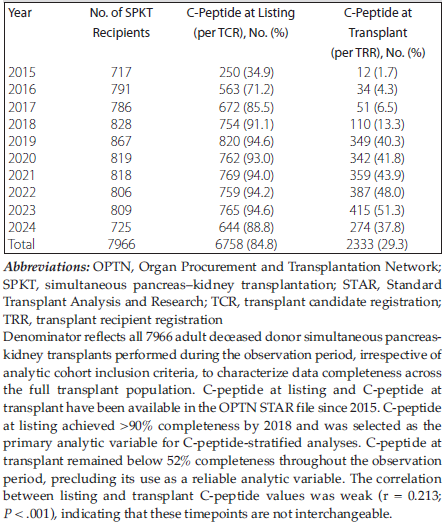
Table 1. Completeness of Pretransplant C-Peptide Reporting Among Adult Deceased Donor Simultaneous Pancreas-Kidney Transplant Recipients, by Year of Transplant (2015–2024)
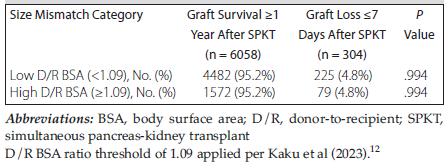
Table 2. Donor-to-Recipient Body Surface Area Mismatch and 7-Day Graft simultaneous pancreas-kidney transplant D/R BSA ratio threshold of 1.09 applied per Kaku et al (2023).12
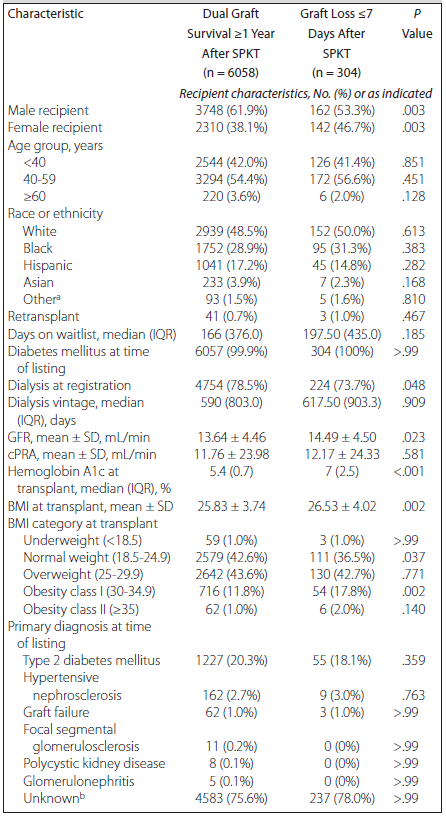
Table 3. Baseline Recipient, Donor, and Transplant Characteristics of Adult Deceased Donor Simultaneous Pancreas-Kidney Transplant Recipients Stratified by 7-Day Graft Loss Versus ≥1 Year Dual-Graft Survival (2015–2024)
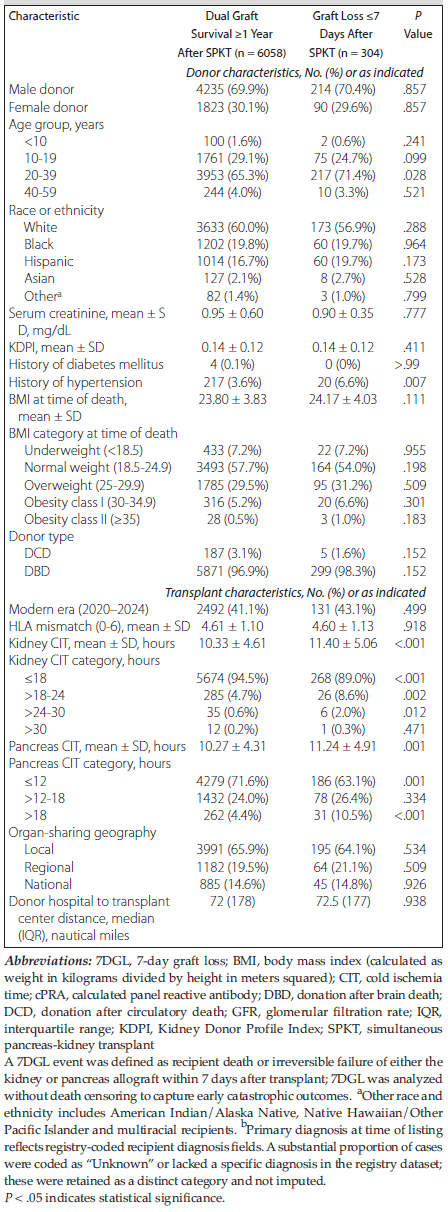
Table 3. (cont). Baseline Recipient, Donor, and Transplant Characteristics of Adult Deceased Donor Simultaneous Pancreas-Kidney Transplant Recipients Stratified by 7-Day Graft Loss Versus ≥1 Year Dual-Graft Survival (2015–2024)
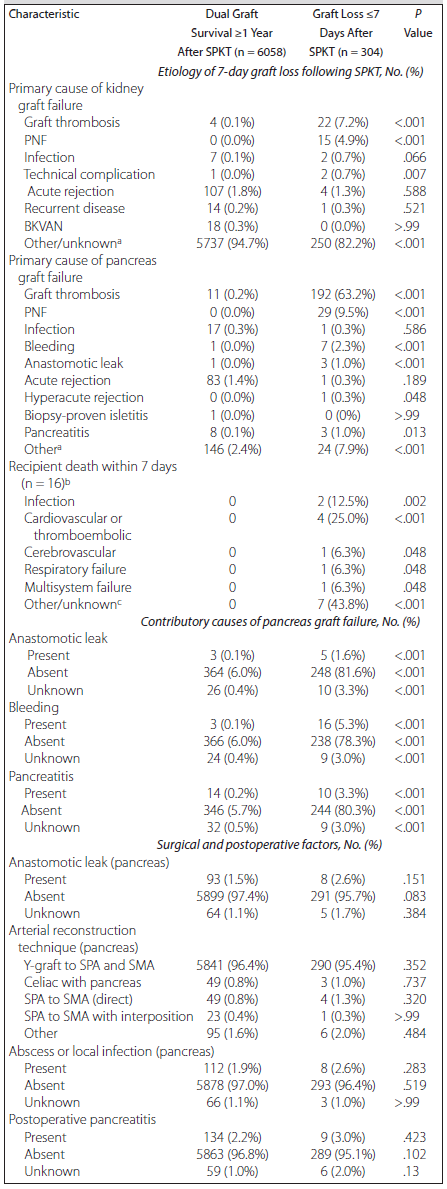
Table 4. Registry-Reported Etiologies of Kidney and Pancreas Graft Failure, Causes of Death, and Surgical Complications After Adult Deceased Donor Simultaneous Pancreas-Kidney Transplantation Stratified by 7-Day Graft Loss Versus ≥1 Year Dual-Graft Survival (2015–2024)
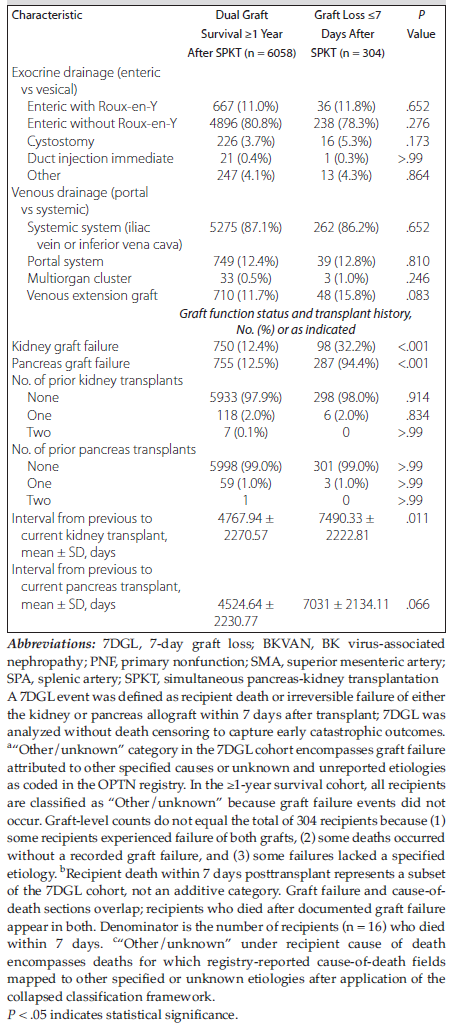
Table 4. (cont). Registry-Reported Etiologies of Kidney and Pancreas Graft Failure, Causes of Death, and Surgical Complications After Adult Deceased Donor Simultaneous Pancreas-Kidney Transplantation Stratified by 7-Day Graft Loss Versus ≥1 Year Dual-Graft Survival (2015–2024)
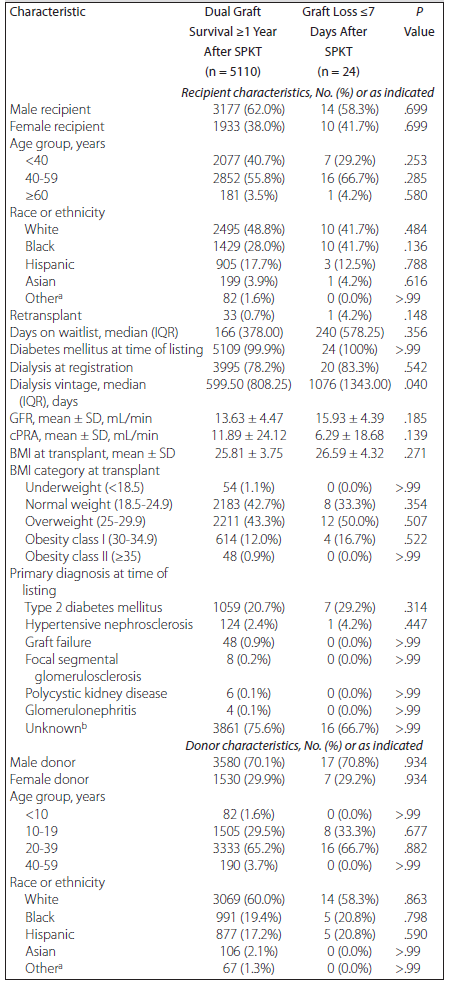
Table 5. Baseline Recipient, Donor, and Transplant Characteristics of Adult Deceased Donor Simultaneous Pancreas-Kidney Transplant Recipients With Simultaneous 7-Day Pancreas-Kidney Graft Loss Versus ≥1 Year Dual-Graft Survival (2015–2024)
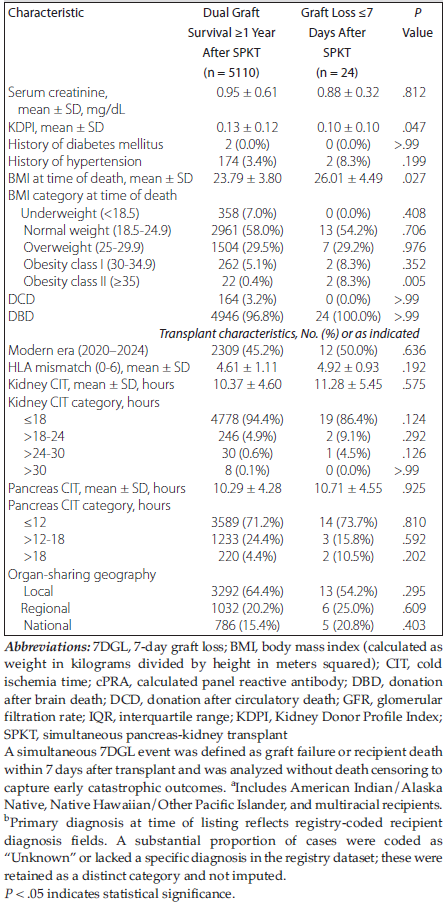
Table 5. (cont). Baseline Recipient, Donor, and Transplant Characteristics of Adult Deceased Donor Simultaneous Pancreas-Kidney Transplant Recipients With Simultaneous 7-Day Pancreas-Kidney Graft Loss Versus ≥1 Year Dual-Graft Survival (2015–2024)
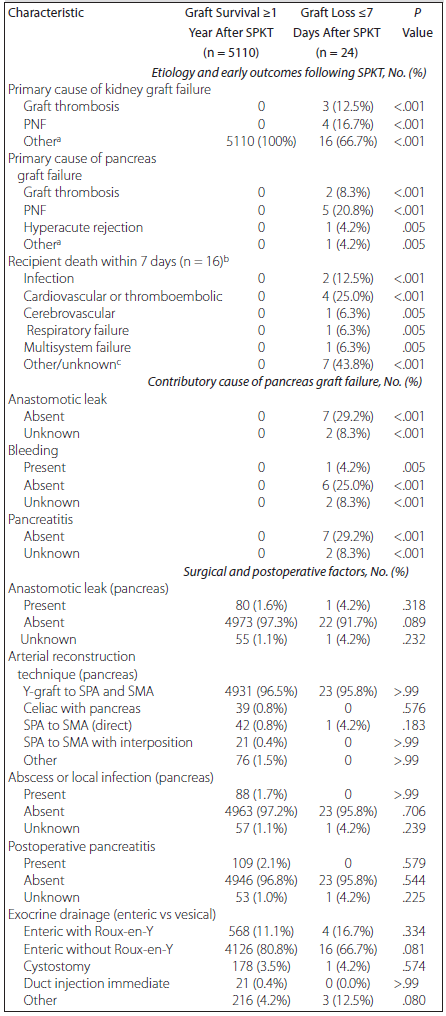
Table 6. Registry-Reported Etiologies of Kidney and Pancreas Graft Loss, Causes of Death, and Surgical Factors Among Adult Deceased Donor Simultaneous Pancreas-Kidney Transplant Recipients With Simultaneous 7-Day Pancreas-Kidney Graft Loss Versus ≥1 Year Dual-Graft Survival (2015–2024)
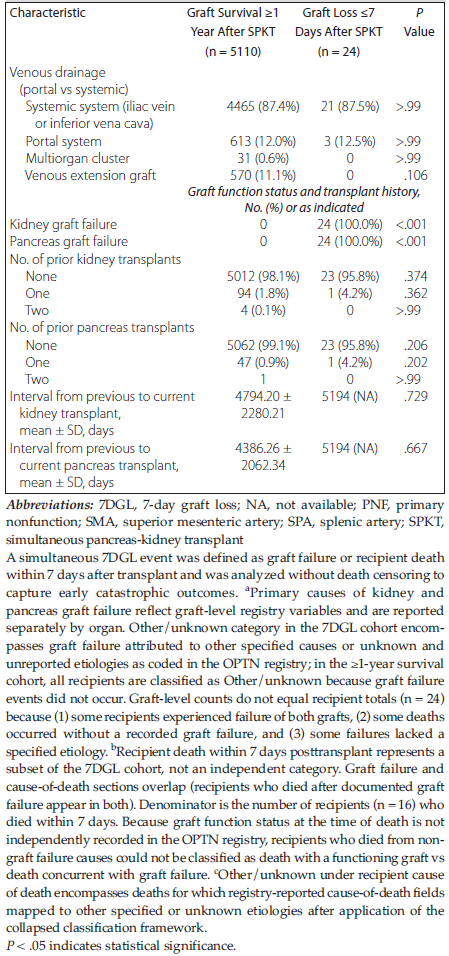
Table 6. (cont). Registry-Reported Etiologies of Kidney and Pancreas Graft Loss, Causes of Death, and Surgical Factors Among Adult Deceased Donor Simultaneous Pancreas-Kidney Transplant Recipients With Simultaneous 7-Day Pancreas-Kidney Graft Loss Versus ≥1 Year Dual-Graft Survival (2015–2024)
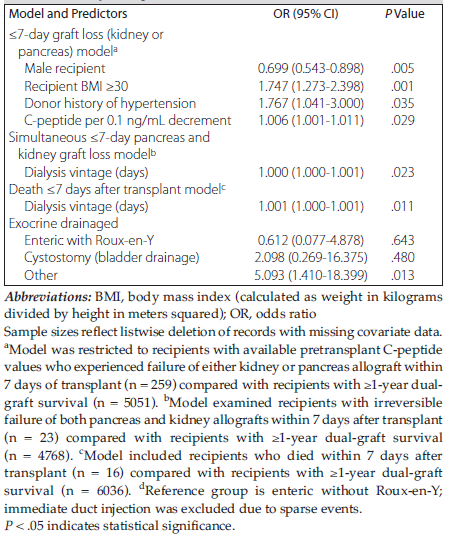
Table 7. Multivariable Logistic Regression Analyses Identifying Factors Associated With 7-Day Graft Loss, Simultaneous Pancreas-Kidney Graft Loss, and Death Within 7 Days After Adult Deceased Donor Simultaneous Pancreas-Kidney Transplant (2015–2024)
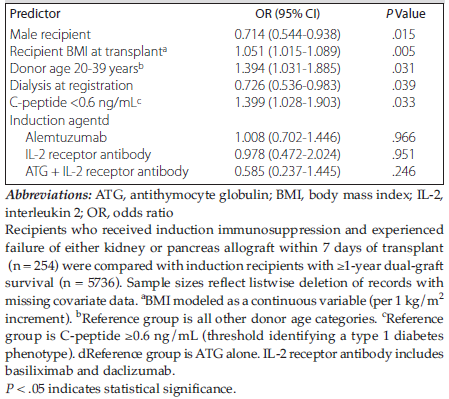
Table 8. Multivariable Logistic Regression Identifying Factors Associated With 7-Day Graft Loss Among Induction Immunosuppression Recipients After Adult Deceased Donor Simultaneous Pancreas-Kidney Transplant (2015–2024)