Volume: 24 Issue: 8 August 2026
FULL TEXT
Surgical Considerations for Kidney Transplant in Simultaneous Versus Sequential Heart-Kidney Transplant: A Systematic Review
Objectives: We aimed to answer a key kidney-focused question in simultaneous heart-kidney transplant of whether the kidney should be implanted immediately, staged after short-term stabilization, or deferred to sequential kidney-after-heart transplant.
Materials and Methods: We used PRISMA to guide our systematic review using PubMed as the primary database, with supplementary Embase and Cochrane searches and separate review of current Organ Procurement and Transplant Network policies. PubMed was searched on March 21, 2026, using (((heart-kidney transplant) OR (sequential kidney transplant in heart transplant)) OR (simultaneous heart and kidney transplant)), limited to English, humans, adult: 19+ years, MEDLINE, and January 1, 2006, through March 21, 2026. Our review yielded 303 records; 62 abstracts underwent review, of which 26 were selected for full-text review. Embase search yielded 264 records across 7 targeted searches; 14 studies underwent review, of which 7 were duplicates and 7 unique studies underwent full-text review. No Cochrane record met final inclusion criteria. Two Organ Procurement and Transplant Network policy reports were reviewed separately. Final qualitative synthesis included 35 full-text records.
Results: Simultaneous heart-kidney transplant was most consistently supported in dialysis-dependent recipients and in recipients with severe, likely irreversible renal dysfunction. Kidney delayed graft function occurred in approximately one-fourth to one-third of simultaneous heart-kidney transplant recipients and was associated with worse patient and kidney graft survival. Primary nonfunction, early kidney graft loss, and renal allograft futility were highly consequential, especially in hemodynamically fragile and surgically complex recipients. Comparative studies suggested that sequential kidney-after-heart transplant is a reasonable strategy when renal reversibility is uncertain or when the postsurgery heart transplant environment is hostile to renal graft perfusion.
Conclusions: Simultaneous allocation should be distinguished from simultaneous implantation. In selected recipients, staged or sequential kidney transplant may better protect kidney outcomes and better align with utility, justice, and organ stewardship.
Key words : Kidney-after-heart transplant, Kidney delayed graft function, Safety net
Introduction
Kidney dysfunction is common among candidates for heart transplant and reflects a heterogeneous combination of intrinsic chronic kidney disease, cardiorenal syndrome, venous congestion, low cardiac output, peritransplant acute kidney injury, and later, calcineurin inhibitor nephrotoxicity. That heterogeneity is central to the heart-kidney question. Some patients have advanced kidney disease from which they may be unlikely to recover after isolated heart transplant alone (IHT), whereas other patients have kidney dysfunction that may improve once cardiac output is restored and venous congestion is relieved.1 Because of this variability, the decision to pursue simultaneous heart-kidney transplant (SHKT) should not be reduced to a single creatinine or estimated glomerular filtration rate (eGFR) threshold. Contemporary data suggest that SHKT provides meaningful benefit for selected patients, particularly those with dialysis dependence or advanced irreversible renal dysfunction, but also show that kidney outcomes after SHKT remain vulnerable to early injury, kidney delayed graft function (K-DGF), and graft loss.2-4
Recent policy changes by the Organ Procurement and Transplant Network (OPTN) have clarified who may be eligible to receive a kidney with the heart, with definitions of simultaneous eligibility criteria and establishment of a kidney-after-heart (KAH) safety net for prior heart recipients with persistent severe renal dysfunction, as outlined in the OPTN policy notice (September 2023) and the OPTN 6-month monitoring report (July 2024) (Health Resources and Services Administration, www.hrsa.gov, accessed March 21, 2026). However, policy does not answer the separate operative question of whether a simultaneously allocated kidney should be implanted immediately after heart transplant. A recipient may be appropriate for SHKT on the wait list but physiologically unsuitable for immediate kidney implantation because of primary graft dysfunction, right ventricular dysfunction, extracorporeal support, vasoplegia, coagulopathy, pulmonary hypertension, or prolonged ischemic exposure.5-8
This review therefore focuses specifically on the kidney-placement decision in heart-kidney transplant and addresses the following decisions: (1) appropriate eligibility for SHKT, (2) timing for kidney implantation after the heart transplant, and (3) kidney-centered and ethical considerations for selection of SHKT versus staged or sequential strategies.
Materials and Methods
Search strategy and data sources
We used the Preferred Reporting Items for Systematic Reviews and Meta-Analyses (PRISMA) to guide our systematic review via PubMed and its primary component, MEDLINE, which comprise a literature database developed and maintained by the National Center for Biotechnology Information at the US National Library of Medicine. PubMed was used as the primary bibliographic database, with supplementary searches in Embase and the Cochrane Library, as well as a separate review of OPTN policy reports (Figure 1).
We performed our search of PubMed on March 21, 2026, using the criteria, (((heart-kidney transplant) OR (sequential kidney transplant in heart transplant)) OR (simultaneous heart and kidney transplant)). Filters applied were English, humans, adult: 19+ years, MEDLINE, and publication dates from January 1, 2006, through March 21, 2026. Studies published before January 1, 2006, were excluded. This search yielded 303 records. Based on predefined inclusion and exclusion criteria, 62 studies were selected for abstract review, of which 26 studies underwent full-text review.
Supplementary Embase searches were performed using 7 targeted queries: “evolution and in and ‘heart kidney’ and transplant”, “timing and of and combined and ‘heart kidney’ and transplant”, “intraoperative and management and of and simultaneous and heart and kidney and transplantation”, “combined and heart and kidney and transplant and new and allocation and policy”, “heart and kidney and transplant; and combined and subsequent”, “‘heart kidney’ and transplantation and early and kidney and graft and loss”, and “delayed and graft and function and in and simultaneous and heart and kidney and transplant and recipients”. These searches yielded 264 results. Fourteen records were selected for review, of which 7 were duplicates of PubMed studies; therefore 7 unique Embase studies underwent full-text review.
Supplementary Cochrane searches using search terms “staged heart-kidney transplant”, “combined heart-kidney transplant”, “sequential heart-kidney transplant”, and “heart-kidney transplant” in “title”, “abstract”, and “keyword” identified 14 studies, but none met final inclusion criteria. Two OPTN reports were reviewed separately to provide current eligibility, safety net, and allocation context. Abstract and full text reviews were performed independently by both authors, 1 kidney transplant surgeon and 1 transplant nephrologist, with disagreements resolved by discussion and consensus.
Eligibility criteria
Studies were eligible if these included adult human recipients, were published on or after January 1, 2006, evaluated SHKT procedures, staged or delayed kidney implantation, or sequential kidney transplant after heart transplant, and reported at least 1 kidney-specific endpoint or criterion, including DGF, primary nonfunction (PNF), kidney graft survival, renal recovery after heart transplant, or kidney placement strategy. We excluded studies that were pediatric-only studies, were published before January 1, 2006, focused exclusively on IHT procedures without kidney-specific relevance, were abstracts, case reports, editorials, or reviews without extractable data relevant to the review question, or lacked an available full-text publication.
Risk of bias across studies
The overall risk of bias across included studies was moderate to high. Most studies were retrospective and observational, with no randomized comparisons of simultaneous transplants versus staged or sequential kidney transplants. Registry studies offered large sample sizes and national perspective but were limited by residual confounding factors, incomplete clinical granularity, and potential misclassification of kidney disease severity and perioperative instability. Single-center studies provided substantial perioperative detail but were limited by small sample size, center-specific practice, and reduced generalizability.
Comparisons between SHKT and KAH transplants were particularly vulnerable to survivor bias, because only patients who survived heart transplant long enough to undergo later kidney transplant entered the sequential cohort. Confounding by indication was also likely substantial, because patients selected for SHKT often differed systematically from patients managed with IHT or sequential transplants. Era effects further complicated interpretation, since outcomes reflected both evolving recipient acuity and changes in allocation, ischemia times, and center behavior.
For these reasons, the certainty of evidence is modest, and the proposed criteria for kidney implant after heart transplant should be viewed as practice-informed rather than prospectively validated.
Data synthesis
Given the heterogeneity of study design, populations, and outcomes, we conducted this review as a qualitative systematic review with narrative synthesis rather than meta-analysis.
Results
Study selection and evidence base
Among 35 full-text records in the final evidence base, 26 were PubMed-derived studies, 7 were Embase-derived studies, and 2 were OPTN policy reports. The included literature was dominated by retrospective registry analyses, single-center cohorts, perioperative series, 1 systematic review/meta-analysis, and policy documents. The strongest kidney-focused evidence addressed 5 major themes, comprising selection thresholds for SHKT, K-DGF and early renal graft loss after SHKT, PNF and renal allograft futility, outcomes of sequential KAH transplants, and timing of kidney implant after heart transplant. These results are summarized in Table 1.
Patient selection for simultaneous heart-kidney transplant
Across the reviewed literature, SHKT was the most consistently supported procedure in recipients with dialysis dependence and in selected recipients with severe kidney dysfunction thought unlikely to recover after IHT. Contemporary national analyses have suggested that SHKT confers a survival advantage over IHT in selected patients with advanced renal dysfunction, particularly in dialysis-dependent populations and in some cohorts with markedly reduced eGFR.2,4,9,10 Reviews of evolving combined heart-kidney practice similarly support SHKT in recipients with convincing evidence of irreversible renal disease while cautioning against overuse in patients with potentially reversible cardiorenal dysfunction.1,11
At the same time, studies of IHT show that low pretransplant kidney function does not uniformly imply irreversible posttransplant renal failure. Jeon and colleagues have found that severe pretransplant renal dysfunction and even preoperative renal replacement therapy were not independently associated with mortality after heart transplant and that some recipients experienced meaningful renal recovery after IHT.12 Longitudinal post-heart-transplant kidney function cohorts have reached similar conclusions and have shown that renal trajectory after heart transplant is variable and often cannot be predicted by baseline kidney function alone.13,14 Collectively, these studies reinforce the need to distinguish kidney allocation eligibility from appropriateness of immediate kidney implantation.
Kidney delayed graft function after simultaneous heart-kidney transplant
The most consistently reported kidney-specific complication after SHKT was K-DGF, with incidence generally ranging from approximately one-fourth to one-third of recipients. In the United Network of Organ Sharing/OPTN analysis by Parajuli and colleagues, K-DGF occurred in 27% of SHKT recipients and was independently associated with increased mortality and death-censored kidney graft failure. The strongest predictors included pretransplant dialysis and longer ischemia time.15 Tadokoro and colleagues reported K-DGF in 31.1% of recipients and demonstrated worse long-term patient and kidney allograft outcomes among patients who developed K-DGF.16 Single-center studies and pooled review data have shown comparable rates and also linked DGF to pulmonary hypertension, extracorporeal or mechanical support, elevated right-sided pressures, and greater perioperative instability.3,7,17,18 Taken together, the literature indicates that K-DGF is common after SHKT, is driven by both recipient acuity and ischemic burden, and is associated with inferior long-term patient and kidney graft outcomes.
Primary nonfunction, early kidney graft loss, and renal allograft futility
Primary nonfunction and early kidney graft loss were less common than K-DGF but represented the most severe forms of early renal allograft failure. Toinet and colleagues reported PNF in 2.7% of SHKT recipients18 while DuBray and colleagues reported PNF in 6% and renal allograft futility in 18% of recipients.19 The most extreme signal came from Beetz and colleagues, who reported PNF in 33.3% of the prior sternotomy subgroup and substantial in-hospital mortality in that high-risk population.17 These studies suggest that severe early renal graft failure is concentrated in recipients with the greatest perioperative instability, reoperative surgical complexity, or high-risk cardiac physiology and therefore may be partially preventable through more selective timing of kidney implantation.
Sequential kidney-after-heart transplant
Several studies have supported the role of sequential kidney transplant after heart transplant (KAH). The most direct comparative study was by Melvinsdottir and colleagues, who found inferior survival in combined heart-kidney transplant compared with kidney transplant performed after heart transplant.20 Although that comparison is inherently susceptible to survivor bias, the findings remain clinically important because it challenges the assumption that combined transplant is always superior. Sequential transplant is also supported by current allocation policy. The KAH safety net was designed to provide access to kidney transplant for prior heart recipients with persistent severe renal dysfunction after transplant, thereby preserving access while reducing unnecessary simultaneous kidney use in patients who may recover renal function, as outlined in the OPTN policy notice (September 2023) and the OPTN 6-month monitoring report (July 2024) (Health Resources and Services Administration, www.hrsa.gov, accessed March 21, 2026). Zhou and colleagues have shown that historically eligible rescue-kidney candidates had poor outcomes and were frequently never listed, underscoring the practical importance of a formal rescue pathway.21
Survival comparison between simultaneous strategy and sequential strategy
The reviewed literature suggests that outcomes depend heavily on recipient selection and perioperative physiology. Yajima and colleagues placed SHKT, IHT, and KAH transplant within the same analytic framework using United Network of Organ Sharing data over a broad study period.4 Within SHKT itself, timing analyses also shaped outcome interpretation. Lovasik and colleagues have reported that staggered SHKT was associated with higher K-DGF, lower 1-year renal graft survival, and worse overall survival in multivariable analysis.5 However, Kim and colleagues, using more advanced adjustment methods, found no meaningful adjusted difference in mortality or all-cause kidney failure between same-day and staged same-donor heart-kidney transplant.8 Together, these studies suggest that the apparent disadvantage of staging kidney transplant may largely reflect recipient acuity rather than an inherent disadvantage of the delay itself.
Timing of kidney implantation
The most clinically actionable issue in this review is whether a simultaneously allocated kidney should be implanted immediately after the heart transplant or, rather, should be staged after short-term stabilization. Lovasik and colleagues have reported that perioperative timing of kidney implantation influences renal graft outcomes after SHKT. In their national analysis, staged heart-kidney transplant was associated with higher K-DGF and lower 1-year renal graft survival than concurrent implantation, although this likely reflected recipient acuity and case selection, at least in part.5 Kim and colleagues found no meaningful adjusted difference in patient survival or all-cause kidney failure after more advanced adjustment methods, despite longer kidney cold ischemia times in staged recipients.8
Perioperative series support the physiologic rationale for delay in unstable recipients. Ngai and colleagues emphasized that no consensus exists regarding the ideal timing of kidney implantation, and Ariyamuthu and colleagues similarly highlighted persistent uncertainty in contemporary SHKT practice.7,22 Even in cohorts with acceptable cardiac outcomes, renal K-DGF remained common. McLoughlin and colleagues have shown that postoperative dialysis and early hemodynamic instability were associated with especially poor outcomes.6
The OPTN policy framework from September 2023 explicitly positioned simultaneous eligibility criteria and the KAH safety net as mechanisms to improve equity and best use of scarce donor organs (Health Resources and Services Administration, www.hrsa.gov, accessed March 21, 2026). These policy revisions importantly address the fact that the kidney graft in SHKT may be exposed to a predictably hostile environment in recipients with primary graft dysfunction, severe right ventricular dysfunction, major venous congestion, dependence on extracorporeal membrane oxygenation, or profound hemodynamic instability. In such cases, immediate kidney implantation may yield severe K-DGF, PNF, or early renal futility. Conversely, staged kidney implantation or sequential KAH transplant may better preserve the probability of durable kidney benefit.
Discussion
Our review supports a central and clinically important distinction, that is, the decision to allocate a donor kidney with the donor heart is not the same as the decision to implant that kidney immediately after the heart transplant. This distinction between allocation and implantation is important because the literature does not support a simplistic model in which every appropriately listed SHKT candidate should necessarily undergo kidney implantation in the same setting. Instead, the available evidence suggests that the heart-kidney decision should be understood as a 2-step process. First, it must be determined whether the patient is an appropriate candidate for access to a kidney. Second, it must be determined whether the newly transplanted heart can support a kidney graft in the immediate perioperative period.1,4,5,8,11,21
The first step is increasingly standardized by current allocation policy. The second step remains much less standardized, despite being highly relevant to kidney outcomes. Across the literature that we included in our systematic review, SHKT was most clearly supported in recipients with dialysis dependence or severe likely irreversible renal dysfunction. This conclusion is supported by contemporary national analyses and review-level synthesis and is aligned with present policy frameworks that were designed to restrict simultaneous allocation to patients with advanced and persistent renal dysfunction.1,2,4,9,10,23 Earlier registry and cohort studies have supported this general direction. Gill and colleagues have shown that SHKT could provide acceptable outcomes in carefully selected recipients within national registry data,24 while Czer and colleagues have reported favorable survival and lower rejection after combined transplant compared with IHT.25 Together, these studies suggest that the overall concept of SHKT is sound but that its benefit is greatest when kidney disease is severe and unlikely to recover.
Brocklebank and colleagues have shown that the use of combined heart-kidney transplant has increased substantially over the past 2 decades, underscoring the growing clinical importance of getting kidney selection and implantation strategy right as SHKT becomes more common.26 Additionally, the kidney-specific liabilities of SHKT are substantial. In both registry-based and single-center studies, K-DGF appears to function as a marker of global perioperative injury and as an independent contributor to inferior outcomes.3,7,15-18,27,28 The consistency of this signal across older and newer datasets supports a kidney-focused operative framework rather than a purely allocation-focused one.
The literature on PNF and early kidney graft loss highlights the kidney-focused operative framework further. Although less common than K-DGF, these events are among the clearest manifestations of kidney futility after SHKT. Rates of PNF and early kidney graft loss are low in broader cohorts but rise substantially in high-acuity subgroups, particularly among patients with prior sternotomy, complex reoperative surgery, or marked perioperative instability. These findings move the discussion beyond whether the kidney will eventually achieve satisfactory function to whether there is a high probability that the kidney will never provide meaningful benefit in the recipient if implanted immediately.17-19
That question is especially relevant in the immediate post-heart-transplant setting. The perioperative studies in the literature have consistently suggested that the newly transplanted kidney may be exposed to a physiological environment that is highly unfavorable for renal perfusion. Primary graft dysfunction, severe right ventricular dysfunction, pulmonary hypertension, venous congestion, extracorporeal support, vasoplegia, coagulopathy, and escalating vasoactive requirements all threaten early kidney graft function.5-7,17-19 From a kidney transplant perspective, these are direct warnings that the recipient may be temporarily incapable of supporting a kidney graft even if the patient was appropriately selected for simultaneous allocation. This is where staged implantation becomes especially valuable conceptually. The timing studies show that timing is tightly linked to recipient acuity. One analysis suggested that staggered implantation is associated with worse short-term renal outcomes, but this likely reflected the fact that the sickest recipients were selected for delayed implantation.5 Another, more rigorously adjusted analysis found no meaningful difference between same-day transplants and staged same-donor transplants.8 The most reasonable interpretation is that staging is a tool that may be particularly useful when the heart recipient remains unstable immediately after transplant.
The studies in the literature on sequential KAH transplants further strengthen this interpretation of kidney staging to be used as a tool to mitigate emerging circumstances. Sequential transplant offers a strategy for recipients whose renal reversibility remains uncertain or whose perioperative cardiac risk is too high to justify immediate kidney implantation. Although comparisons with SHKT are limited by survivor bias, the existence of durable KAH outcomes and the presently established safety net pathway argue against viewing sequential transplants as an inferior alternative.11,20,21 In selected patients, sequential transplant may be the more rational kidney strategy because it allows reassessment of renal function after cardiac stabilization before using a deceased donor kidney.
The distinction between immediate versus delayed implantation of the kidney also clarifies the ethical dimension of the problem. The key question is whether immediate kidney implantation is likely to produce meaningful and durable kidney benefit. If the recipient remains on extracorporeal membrane oxygenation, has severe right ventricular dysfunction, requires escalating vasopressors, or shows persistent evidence of shock and venous congestion, then immediate kidney implantation may carry a high likelihood of severe K-DGF, PNF, or early renal futility.6,7,17-19 In those circumstances, proceeding with immediate implantation may undermine both utility and justice by exposing a scarce deceased donor kidney to a highly predictable risk of failure. Conversely, delaying implantation or using a sequential KAH pathway may better preserve the organ’s utility while still preserving timely access to future kidney transplant through the safety net pathway.11,21
From a practical standpoint, the reviewed literature supports a 3-part framework. (1) SHKT should be favored in recipients with dialysis dependence or severe kidney dysfunction that is convincingly irreversible.1,2,4,9,10 (2) Recipients in whom renal reversibility is plausible should be considered for IHT with close posttransplant reassessment and potential use of the safety net.11-14,21 (3) Finally, even when a recipient is appropriately allocated a kidney, actual kidney implantation should be contingent on postsurgery heart transplant hemodynamic suitability (Table 2).5-8,15,16,19 This last step remains the least standardized element of present practice and is the element most in need of a prospective study.
The review also highlights an important conflict in contemporary practice, that is, increasing simultaneous allocation may improve access for some patients, but broader use of SHKT may also expose more kidneys to high-acuity recipients with greater ischemia times and greater perioperative instability. This conflict is apparent in policy-era studies that have shown mixed effects on wait list and post-transplant outcomes.29-32 It is also visible in studies that assert suboptimal SHKT outcomes may be driven, not by the concept of simultaneous transplant itself, but rather by inadequate differentiation between patients who need simultaneous allocation and patients who need immediate kidney implantation.5,8,22
The clinical implication is that transplant teams should explicitly separate the listing decision from the implantation decision. A patient may appropriately qualify for a kidney with the heart yet still be a poor candidate for immediate kidney implantation. Incorporating this distinction more explicitly into transplant decision-making processes may improve kidney outcomes, reduce preventable early graft injury and futility, and better align practice with the ethical principles that underlie the present state of allocation policy.
Limitations
The evidence base of our study was largely retrospective and highly vulnerable to confounding factors, selection bias, and survivor bias. Definitions of renal dysfunction, K-DGF, PNF, and staging differed across studies. Policy era analyses were difficult to interpret because such studies reflect dynamic changes in recipient acuity, organ sharing, ischemia times, and center behavior. Nonetheless, despite these limitations, the consistency of the major themes across datasets was striking. Severe irreversible renal dysfunction supported SHKT. Borderline or uncertain renal dysfunction supported caution. Perioperative instability should prompt reconsideration of immediate kidney implantation.
Conclusions
Simultaneous heart-kidney transplant is most defensible when renal dysfunction is severe and unlikely to recover, especially in dialysis-dependent recipients. However, immediate kidney implantation should be reconsidered when the postsurgery heart transplant environment is unstable, particularly in the presence of primary graft dysfunction, right ventricular dysfunction, pulmonary hypertension, major vasoactive requirements, extracorporeal or mechanical support, venous congestion, or prolonged kidney cold ischemia time. In these settings, staged or sequential KAH transplants may better protect kidney graft outcomes and represent a more equitable and efficient use of a scarce deceased donor kidneys.
References:
- Jain R, Kittleson MM. Evolutions in combined heart-kidney transplant. Curr Heart Fail Rep. 2024;21(2):139-146. doi:10.1007/s11897-024-00646-0
CrossRef - PubMed - Feng I, Wang AS, Takeda K, Topkara VK. Simultaneous heart-kidney transplant compared with heart transplant alone in patients with borderline renal function who are not dialysis dependent. J Thorac Cardiovasc Surg. 2024;168(1):149-160.e15. doi:10.1016/j.jtcvs.2023.10.007
CrossRef - PubMed - Sampaio NZ, Faleiro MD, Vieira L, et al. Simultaneous heart and kidney transplantation: a systematic review and proportional meta-analysis of its characteristics and long-term variables. Transpl Int. 2024;37:12750. doi:10.3389/ti.2024.12750
CrossRef - PubMed - Yajima S, He H, Elde S, Zhu Y, Woo YJ, Shudo Y. Survival benefit of heart-kidney versus heart transplant with or without delayed kidney transplant. J Am Heart Assoc. 2026;15(6):e043669. doi:10.1161/JAHA.125.043669
CrossRef - PubMed - Lovasik BP, Vachharajani N, Miller P, et al. Perioperative timing impacts renal graft outcomes in simultaneous heart-kidney transplantation. Clin Transplant. 2025;39(9):e70312. doi:10.1111/ctr.70312
CrossRef - PubMed - Mc Loughlin S, Bianco JC, Marenchino RG. Anesthetic and perioperative considerations for combined heart-kidney transplantation. J Cardiothorac Vasc Anesth. 2018;32(1):44-49. doi:10.1053/j.jvca.2017.09.018
CrossRef - PubMed - Ngai J, Keny N, James L, Katz S, Moazami N. Intraoperative considerations and management of simultaneous heart kidney transplantation. J Cardiothorac Vasc Anesth. 2023;37(10):1862-1869. doi:10.1053/j.jvca.2023.05.005
CrossRef - PubMed - Kim JI, Patel SS, Moazami N, Stern JM, Segev DL, Massie AB. Combined multiorgan heart and kidney transplants with single donor allografts: simultaneous versus staged? Clin Transplant. 2026;40(1):e70400. doi:10.1111/ctr.70400
CrossRef - PubMed - Chen Q, Malas J, Gianaris K, et al. Simultaneous heart-kidney transplant in patients with borderline estimated glomerular filtration rate without dialysis dependency. Clin Transplant. 2023;37(8):e14986. doi:10.1111/ctr.14986
CrossRef - PubMed - Malas J, Chen Q, Emerson D, et al. Heart retransplant recipients with renal dysfunction benefit from simultaneous heart-kidney transplantation. J Heart Lung Transplant. 2023;42(8):1045-1053. doi:10.1016/j.healun.2023.04.010
CrossRef - PubMed - Wayda B, Cheng XS, Goldhaber-Fiebert JD, Khush KK. Optimal patient selection for simultaneous heart-kidney transplant: a modified cost-effectiveness analysis. Am J Transplant. 2022;22(4):1158-1168. doi:10.1111/ajt.16888
CrossRef - PubMed - Jeon J, Kwon HJ, Yoo H, et al. Clinical factors associated with renal outcome after heart transplantation. Int Heart J. 2021;62(4):850-857. doi:10.1536/ihj.20-775
CrossRef - PubMed - Taiwo AA, Khush KK, Stedman MR, Zheng Y, Tan JC. Longitudinal changes in kidney function following heart transplantation: Stanford experience. Clin Transplant. 2018;32(11):e13414. doi:10.1111/ctr.13414
CrossRef - PubMed - Kolsrud O, Karason K, Holmberg E, et al. Renal function and outcome after heart transplantation. J Thorac Cardiovasc Surg. 2018;155(4):1593-1604.e1. doi:10.1016/j.jtcvs.2017.11.087
CrossRef - PubMed - Parajuli S, Karim AS, Muth BL, et al. Risk factors and outcomes for delayed kidney graft function in simultaneous heart and kidney transplant recipients: a UNOS/OPTN database analysis. Am J Transplant. 2021;21(9):3005-3013. doi:10.1111/ajt.16535
CrossRef - PubMed - Tadokoro N, Cho M, Nordan T, et al. Impact of delayed kidney graft function on long-term outcomes in simultaneous heart-kidney transplantation. J Heart Lung Transplant. 2026;45(2):215-224. doi:10.1016/j.healun.2025.07.010
CrossRef - PubMed - Beetz O, Thies J, Weigle CA, et al. Simultaneous heart-kidney transplantation results in respectable long-term outcome but a high rate of early kidney graft loss in high-risk recipients: a European single center analysis. BMC Nephrol. 2021;22(1):258. doi:10.1186/s12882-021-02430-x
CrossRef - PubMed - Toinet T, Dominique I, Cholley I, et al. Renal outcome after simultaneous heart and kidney transplantation. Clin Transplant. 2019;33(7):e13615. doi:10.1111/ctr.13615
CrossRef - PubMed - DuBray BJ, Shawar S, Zalawadiya S, et al. Factors impacting early adverse outcomes in simultaneous heart-kidney transplantation. Transplant Proc. 2025;57(2):390-393. doi:10.1016/j.transproceed.2024.11.037
CrossRef - PubMed - Melvinsdottir I, Foley DP, Hess T, et al. Heart and kidney transplant: should they be combined or subsequent? ESC Heart Fail. 2020;7(5):2734-2743. doi:10.1002/ehf2.12864
CrossRef - PubMed - Zhou AL, Akbar AF, Rizaldi AA, et al. New kidney-after-heart allocation policy in the United States: who would benefit from a rescue kidney? J Heart Lung Transplant. 2025;44(7):1083-1092. doi:10.1016/j.healun.2025.01.002
CrossRef - PubMed - Ariyamuthu VK, Cheng XS, Hippen B, et al. The final rule in a bind: what we are learning from suboptimal simultaneous heart-kidney outcomes and potential solutions to the problem. Transplantation. 2025;109(6):e317-e325. doi:10.1097/TP.0000000000005251
CrossRef - PubMed - Reich H, Dimbil S, Levine R, et al. Dual-organ transplantation in older recipients: outcomes after heart-kidney transplant versus isolated heart transplant in patients aged ≥65 years. Interact Cardiovasc Thorac Surg. 2019;28(1):45-51. doi:10.1093/icvts/ivy202
CrossRef - PubMed - Gill J, Shah T, Hristea I, et al. Outcomes of simultaneous heart-kidney transplant in the US: a retrospective analysis using OPTN/UNOS data. Am J Transplant. 2009;9(4):844-852. doi:10.1111/j.1600-6143.2009.02588.x
CrossRef - PubMed - Czer LS, Ruzza A, Vespignani R, et al. Survival and allograft rejection rates after combined heart and kidney transplantation in comparison with heart transplantation alone. Transplant Proc. 2011;43(10):3869-3876. doi:10.1016/j.transproceed.2011.08.095
CrossRef - PubMed - Brocklebank P, Shorbaji K, Welch BA, Achurch MM, Kilic A. Trends and outcomes of combined heart-kidney and heart-lung transplantation over the past two decades. J Surg Res. 2024;295:574-586. doi:10.1016/j.jss.2023.11.013
CrossRef - PubMed - Grupper A, Grupper A, Daly RC, et al. Renal allograft outcome after simultaneous heart and kidney transplantation. Am J Cardiol. 2017;120(3):494-499. doi:10.1016/j.amjcard.2017.05.006
CrossRef - PubMed - Catalano MA, Pupovac S, Jhaveri KD, Stevens GR, Hartman AR, Yu PJ. Simultaneous heart-kidney transplant: does hospital experience with heart transplant or kidney transplant have a greater impact on patient outcomes? Transpl Int. 2023;36:10854. doi:10.3389/ti.2023.10854
CrossRef - PubMed - Francke M, Wolfson AM, Fong MW, et al. New UNOS allocation system associated with no added benefit in waitlist outcomes and worse post-transplant survival in heart-kidney patients. J Heart Lung Transplant. 2023;42(11):1529-1542. doi:10.1016/j.healun.2023.06.018
CrossRef - PubMed - Hong Y, Hess NR, Ziegler LA, et al. Improved waitlist and comparable post-transplant outcomes in simultaneous heart-kidney transplantation under the 2018 heart allocation system. J Thorac Cardiovasc Surg. 2024;167(3):1064-1076.e2. doi:10.1016/j.jtcvs.2023.07.012
CrossRef - PubMed - Ohira S, Okumura K, Pan S, et al. Outcomes of combined heart and kidney transplantation under the new heart allocation policy: a United Organ Network for Organ Sharing database analysis. Circ Heart Fail. 2023;16(4):e010059. doi:10.1161/CIRCHEARTFAILURE.122.010059
CrossRef - PubMed - Shin M, Iyengar A, Helmers MR, et al. Decreased survival of simultaneous heart-kidney transplant recipients in the new heart allocation era. J Heart Lung Transplant. 2023;42(12):1725-1734. doi:10.1016/j.healun.2023.08.006
CrossRef - PubMed

Volume : 24
Issue : 8
Pages : 579 - 588
DOI : 10.6002/ect.2026.0080
From the 1Department of Surgery and the 2Department of Nephrology, West Virginia University School of Medicine, Morgantown, West Virginia, USA
Acknowledgements: The authors have not received any funding or grants in support of the presented research or for the preparation of this work and have no declarations of potential conflicts of interest. The authors used ChatGPT (OpenAI) for language editing and proofreading during manuscript preparation. All content was reviewed and edited by the authors, who take full responsibility for the final manuscript.
Corresponding author: Rajeev Sharma, Department of Surgery, West Virginia University School of Medicine, 1 Medical Center Drive, Morgantown, WV 26506, USA
E-mail: Rajeev.Sharma@hsc.wvu.edu
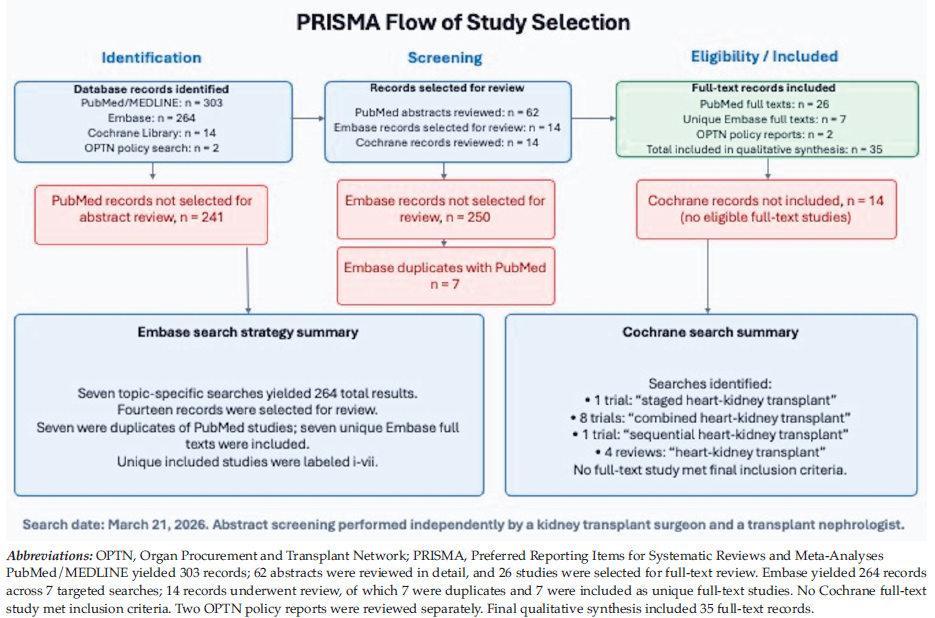
Figure 1. Flow Chart for Study Selection
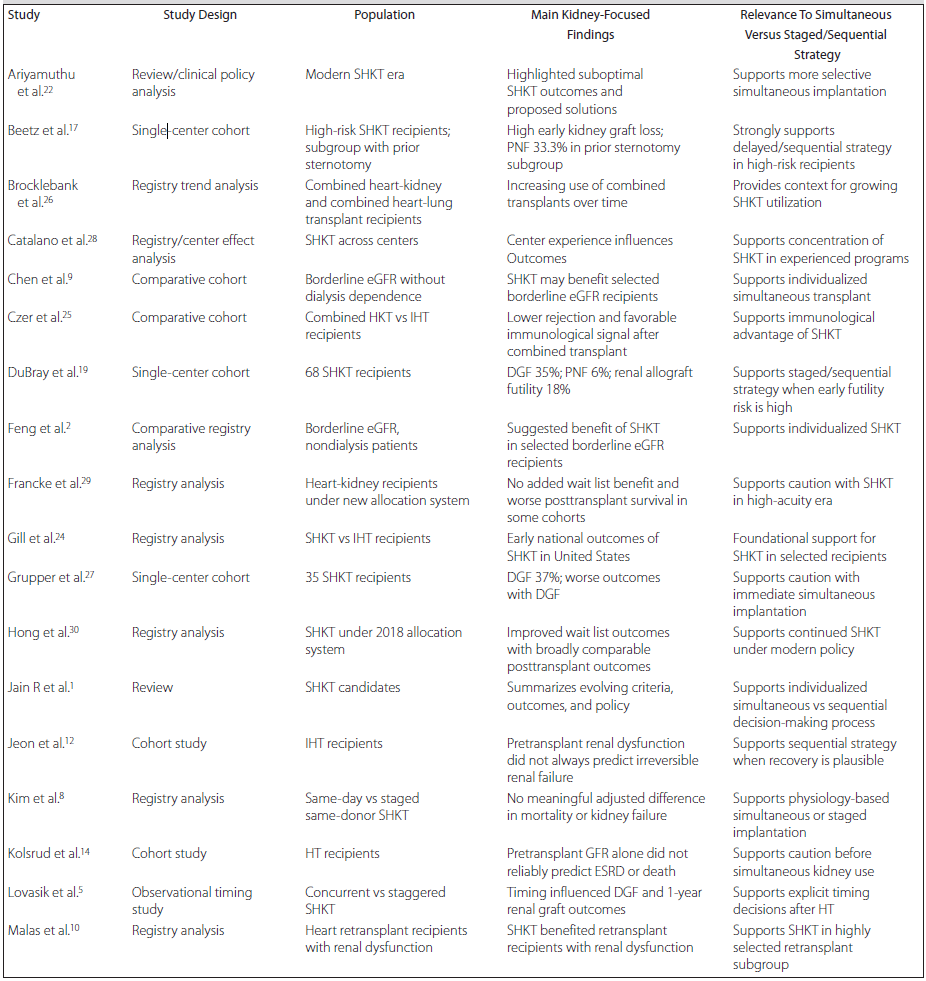
Table 1. Key Studies Informing Kidney Placement Strategy in Heart-Kidney Transplant
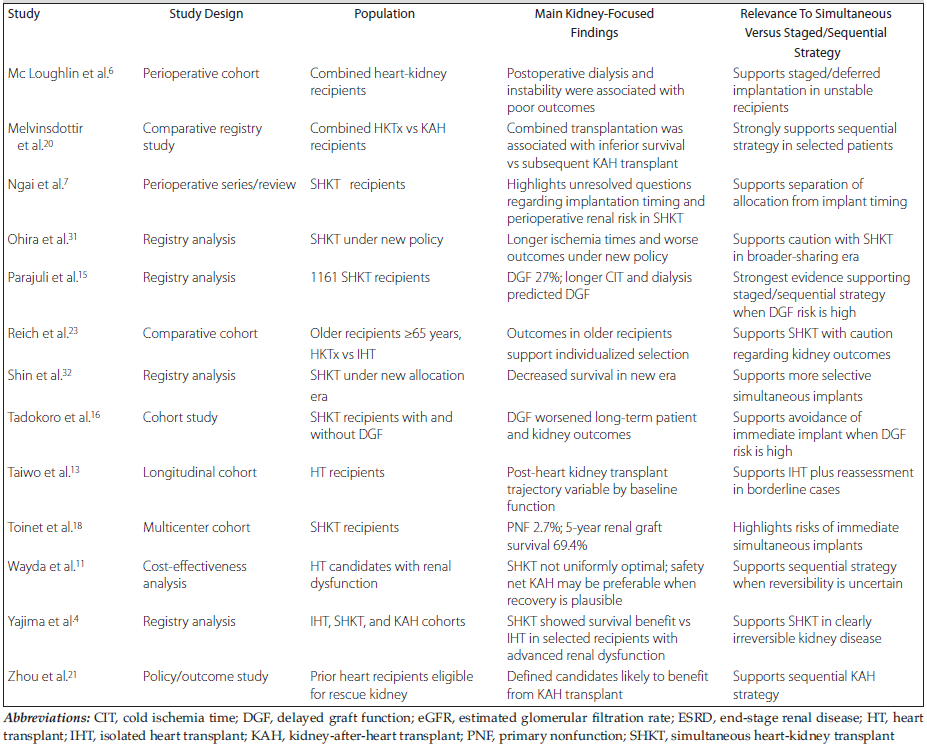
Table 1 (Count). Key Studies Informing Kidney Placement Strategy in Heart-Kidney Transplant
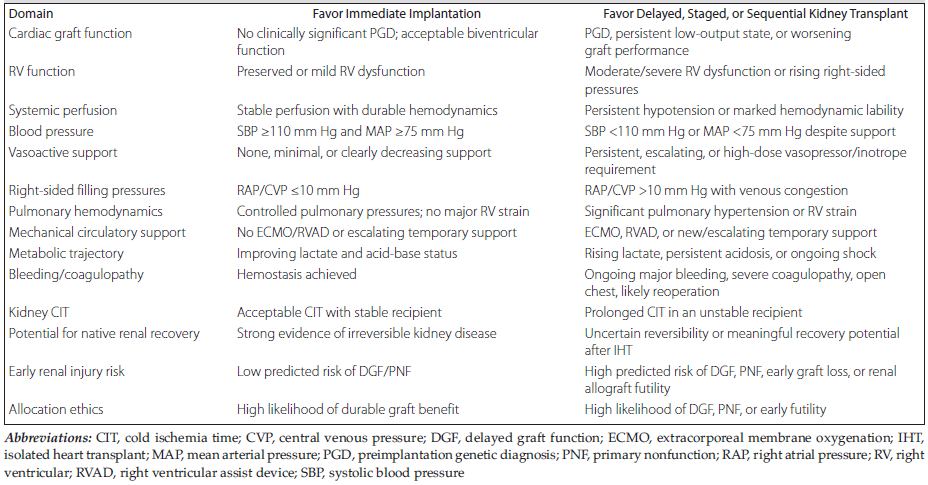
Table 2. Proposed Criteria for Kidney Implantation After Heart Transplant