Volume: 22 Issue: 5 May 2024
FULL TEXT
Orthostatic Hypotension and Antihypertensive Treatment in Lung Transplant Recipients: A Cross-Sectional Study
Objectives: Lung transplant is the ultimate treatment of many end-stage lung diseases. Calcineurin inhibitors, crucial in immunosuppression for lung transplant recipients, are linked to secondary hypertension, necessitating antihypertensive treatment. In addition, lung transplant recipients frequently experience orthostatic hypotension, occasionally stemming from autonomic dysfunction, but also commonly attributed as a negative side effect of antihypertensive treatment. Our study aimed to evaluate the frequency of orthostatic blood pressure irregularities and investigate the involvement of antihypertensive treatment as a potential risk factor in the occurrence among lung transplant recipients.
Materials and Methods: Fifty-six consecutive lung transplant recipients, both inpatient and outpatient, at the University Hospital Zurich (Switzerland) were monitored from 1999 to 2013. Transplant recipients underwent a Schellong test (an active standing test). Our evaluation encompassed their initial traits, such as the existence of supine hypertension. We computed the odds ratio for the comparison of the likelihood of experiencing orthostatic hypotension while using a minimum of 1 type of antihypertensive medication versus absence of antihypertensive drugs.
Results: Of the lung transplant recipients, 25% showed a positive Schellong test. Within this group, 64% had supine hypertension, and 29% displayed symptoms of orthostatic hypotension. Among the patients, 71% were using at least 1 type of antihypertensive medication. The odds ratio for showing orthostatic hypotension while taking at least 1 type of antihy-pertensive drug versus the absence of antihypertensive medications was 1.64 (95% exact CI, 0.39-6.90) with
P = .50. This finding remained consistent regardless of age, sex, inpatient or outpatient status, and the duration since transplant.
Conclusions: Orthostatic blood pressure dysregulation is prevalent among lung transplant recipients, frequently without noticeable symptoms. In our cohort, the use of antihypertensive medications did not elevate the risk of orthostatic hypotension.
Key words : Antihypertensive therapy, Immunosuppressant therapy, Lung transplantation, Orthostatic dysregulation, Supine hypertension
Introduction
Lung transplant remains the definitive treatment for numerous end-stage lung diseases, with appro-ximately 4500 procedures performed annually, predo-minantly involving bilateral transplantation, as reported by the recent registry of the International Society of Heart and Lung Transplantation.1,2 Primary reasons for lung transplant include idiopathic interstitial pneumonia, chronic obstructive pulmonary disease, and cystic fibrosis.2 The advancement in critical facets such as donor management, organ preservation, recipient care, and immunosuppression strategies has contributed to the escalating number of annual lung transplants and the therapeutic efficacy of these transplants.2-4 Among the pivotal components in the treatment of lung transplant recipients (LTRs) is a 3-drug immunosuppressive regimen involving calcineurin inhibitors, a nucleotide-synthesis inhibitor, and corticosteroids.4 However, notable negative side effects of calcineurin inhibitors like cyclosporin A and tacrolimus often include secondary hypertension.5,6 Additionally, corticosteroids may also contribute to increased blood pressure.7 Consequently, the mana-gement of secondary hypertension in these patients aims not only to mitigate end-organ damage but also involves the administration of antihypertensive (aHT) medications, thereby exposing them to an elevated risk of orthostatic hypotension (OH) and its asso-ciated complications, such as falls and fractures.8-10
In this study, we investigated orthostatic blood pressure dysregulation in LTRs, a condition observed across a broader spectrum of transplant recipients (eg, pancreas, kidney), potentially predisposing them to falls and fractures. This risk is particularly heightened when aHT treatment becomes necessary. During our clinical activities at the Department of Pulmonology, University Hospital Zurich (Zurich, Switzerland), we reported up to 4 falls resulting in femur fractures among LTRs of varying ages within a single year (2012). These incidents strongly suggested a potential association with orthostatic dysregulation or inadequate blood pressure management. Consi-dering these observations, we conducted a single-center, cross-sectional study focused on LTRs to determine the prevalence of orthostatic dysregulation within this cohort and evaluate the likelihood of developing OH among those patients who received at least 1 type of aHT medication versus patients who did not receive aHT medication.
Materials and Methods
Between October 2010 and October 2013, a conse-cutive cohort of 56 LTRs at the Department of Pulmonology, University Hospital Zurich (Zurich, Switzerland) who had undergone lung transplant from 1999 to 2013 was continuously monitored. The LTRs who presented with concurrent acute illnesses (eg, severe infections) that could potentially obstruct or influence the evaluation of interest were excluded from the study. Evaluation of inpatient participants occurred during a stable phase shortly before discharge.
Comprehensive data for patient medical history, transplant specifics (including the primary end-stage lung disease leading to the transplant and the transplant year), cardiac function, and the history of aHT medication were compiled. Assessment for the presence of OH was conducted using the Schellong test. This test evaluates the autonomic response to positional changes, from supine to standing, measuring the decline in systolic and diastolic blood pressure after the patient assumes an upright position for a brief duration.
Our standardized protocol for the Schellong test involved a 10-minute period in the supine position followed by standing for 3 minutes. Throughout this process, systolic and diastolic blood pressure along with pulse rate were measured on the upper arm during the supine phase and after 3, 5, and 10 minutes in an upright standing position.
A reduction of a minimum of 20 mm Hg in systolic blood pressure or 10 mm Hg in diastolic blood pressure either after 3 or 5 minutes of orthostasis, compared with the measurement after 10 minutes in the supine position, indicated the likelihood of OH, thereby rendering the Schellong test positive.11-13 Additionally, the presence of supine hypertension was recorded during the test. Arterial hypertension was defined as a systolic blood pressure exceeding 140 mm Hg or a diastolic blood pressure surpassing 90 mm Hg.14
To assess whether aHT treatment served as a risk factor for OH development, the odds ratio of deve-loping OH while on at least 1 type of aHT medication versus absence of aHT medications was calculated, establishing a 95% exact confidence interval, according to Altman15 and Sheskin.16,17 Subsequently, after we confirmed the presence of a normal distribution, we evaluated potential confounding influences such as age, sex, inpatient or outpatient status, and time elapsed since transplant with the use of appropriate comparison tests (either Mann-Whitney U test or proportion test).
Descriptive statistics encompassing mean value (with SD) for continuous variables, as well as total numbers and percentages for categorical variables, were employed to summarize characteristics of the patient samples. P < .05 (2-sided) was considered statistically significant. Statistical calculations were conducted using Stata (version 13.0). We followed the ethical guidelines of the 1975 Helsinki Declaration.
Results
Fifty-six consecutive LTRs were retrospectively assessed while in a stable cardiorespiratory condition. They were either inpatients (32%) shortly before discharge or outpatients (68%). Among them, 61% were female patients. The baseline characteristics of included LTRs are listed in (Table 1). The primary reasons for undergoing lung transplant were end-stage cystic fibrosis, chronic obstructive pulmonary disease, and idiopathic pulmonary fibrosis. On average, the time since lung transplant was 2.5 ± 3.6 years. Seventy-one percent of the patients were taking at least 1 type of aHT medication. Notably, there were no neurological disorders observed that could have had a similar effect on blood pressure autonomic regulation, such as Parkinson disease. Twenty-nine percent of the patients were using antidiabetic medication. Twenty-five percent of the evaluated LTRs showed a positive result for the Schellong test. Among those with a positive test, 9 (64%) exhibited supine hypertension and 4 (29%) reported experiencing OH symptoms, such as dizziness or temporary vision issues that resolved after a brief period in the same position. Notably, 2 patients who reported OH symptoms were taking at least 1 type of aHT drug. (Figure 1) summarizes these results.
(Table 2) details the mean systolic and diastolic pressure drop and heart rate elevation among patients with a positive Schellong test, and (Table 3) delineates the characteristics of LTRs based on their use or non-use of aHT medication. Among the patients, 82% and 33% exhibited a positive Schellong test, depending on whether they were using at least 1 type of aHT drug or not. Interestingly, 71% of those with a positive Schellong test reported no OH symptoms.
The odds ratio for developing OH while using at least 1 type of aHT drug versus absence of aHT was 1.64 (with a 95% exact confidence interval of 0.39-6.90) and P = .50. No significant differences in age, sex, inpatient/outpatient status, or time since lung transplant were identified between the group using aHT medications and the group without aHT medications.
Discussion
In this cross-sectional study, a quarter of the LTRs exhibited OH, with most being symptomatic. Furthermore, 64% of these individuals demonstrated elevated blood pressure readings while in a reclined position. The concurrent occurrence of increased blood pressure at rest and an altered response to positional changes suggests autonomic impairment, a common occurrence among LTRs, as supported by existing literature.18 The potential pathways contributing to this phenomenon may involve heightened basal sympathetic activity, diminished parasympathetic function, and their imbalance, hindering a proper response to autonomic stressors, such as rapid positional shifts observed in a Schellong test.18,19 This impairment may stem from a combination of factors including the surgical loss of vagal pulmonary control over the sympathetic system,18 long-term immunosuppressive therapy,18,20 and reduced exercise capacity.18,21
Despite OH being present in a significant portion of the analyzed cohort, the distribution of individuals with a positive Schellong test was similar between those with aHT treatment and those without treatment. This suggests that aHT treatment may not be linked to a higher risk of OH development in this cohort, irrespective of factors such as age, sex, inpatient/outpatient status, or time since lung transplant. These findings imply that the emergence of OH in LTRs may primarily involve other physiological pathways, potentially related to the effect of lung transplant on autonomic regulation.18
Within our cohort, a third of the patients with a positive Schellong test reported symptoms during the test, with half of them using aHT medication. However, because of the low incidence of OH symptoms in this cohort, it was not feasible for us to conduct a robust statistical correlation analysis between OH symptom presence and aHT medication. Nevertheless, the higher prevalence of asymptomatic OH aligns with existing literature.22 Notably, a significant portion of the study population exhibited supine hypertension, which emphasizes the impor-tance of monitoring blood pressure in a seated position after adequate rest, in accordance with guidelines.23
This study had some limitations. First, the pre-sence of hypertension before transplant was not documented. However, our analysis focused on the effect of aHT medication used during the assessment on OH, which may not strictly depend on when the treatment was initiated. Additionally, the long-term effects of diabetes mellitus may have influenced autonomic reactivity, posing a potential confounder that could not be fully evaluated. Moreover, although the Schellong test is not a gold standard for OH, it is a hint of autonomic dysregulation and is widely used in clinical settings. In addition, this study was based on a consecutive cohort of both inpatients and outpatients, so the predefined matching of cases and controls was not feasible. Future studies could delve into the role of specific aHT medications, such as beta blockers24 or diuretics,25 in the development of OH in LTRs. Last, variable prevalence of different pretransplant end-stage lung diseases between patients using and not using aHT medications may have existed. However, considering that lung transplant is a common treatment for various end-stage lung diseases, this disparity was less likely to significantly affect the assessed relationship between aHT treatment and OH.
Our findings indicate that OH and supine hypertension, indicating an imbalance in autonomic function, are prevalent conditions among LTRs and often occur without noticeable symptoms. Although aHT medication is typically necessary for management of supine hypertension, it did not demonstrate a notable increase in the likelihood of developing OH. However, it is advisable to exercise caution when selecting aHT medications and dosages, considering other existing health conditions, in order to minimize the potential exacerbation of autonomic dysregulation in these patients.
References:
- Shigemura N. Lung transplantation and beyond: continued challenges in the wake of significant progress. J Thorac Dis. 2019;11(Suppl 3):S413-S416. doi:10.21037/jtd.2018.11.112
CrossRef - PubMed - Chambers DC, Cherikh WS, Harhay MO, et al. The International Thoracic Organ Transplant Registry of the International Society for Heart and Lung Transplantation: Thirty-sixth adult lung and heart-lung transplantation Report-2019; Focus theme: donor and recipient size match. J Heart Lung Transplant. 2019;38(10):1042-1055. doi:10.1016/j.healun.2019.08.001
CrossRef - PubMed - Christie JD, Edwards LB, Kucheryavaya AY, et al. The Registry of the International Society for Heart and Lung Transplantation: 29th adult lung and heart-lung transplant report-2012. J Heart Lung Transplant. 2012;31(10):1073-1086. doi:10.1016/j.healun.2012.08.004
CrossRef - PubMed - Yeung JC, Keshavjee S. Overview of clinical lung transplantation. Cold Spring Harb Perspect Med. 2014;4(1):a015628. doi:10.1101/cshperspect.a015628
CrossRef - PubMed - Hoorn EJ, Walsh SB, McCormick JA, et al. The calcineurin inhibitor tacrolimus activates the renal sodium chloride cotransporter to cause hypertension. Nat Med. 2011;17(10):1304-1309. doi:10.1038/nm.2497
CrossRef - PubMed - Hoorn EJ, Walsh SB, McCormick JA, Zietse R, Unwin RJ, Ellison DH. Pathogenesis of calcineurin inhibitor-induced hypertension. J Nephrol. 2012;25(3):269-275. doi:10.5301/jn.5000174
CrossRef - PubMed - Scheffert JL, Raza K. Immunosuppression in lung transplantation. J Thorac Dis. 2014;6(8):1039-1053. doi:10.3978/j.issn.2072-1439.2014.04.23
CrossRef - PubMed - Savioli G, Salinaro F, Surbone S, et al. Incidence and treatment of new-onset hypertension after lung transplantation. Eur Heart J. 2013;34(suppl_1):P5162 doi:10.1093/eurheartj/eht310.P5162
CrossRef - PubMed - Schuurmans M, Wild J, Pazhenkottil A, Inci I, Kohler M, Benden C. Orthostatic hypotension appears to be common among lung transplant recipients. Chest. 2014;145:633A. doi:10.1378/chest.1836513
CrossRef - PubMed - Hamrefors V, Harstedt M, Holmberg A, et al. Orthostatic hypotension and elevated resting heart rate predict low-energy fractures in the population: the Malmö Preventive Project. PLoS One. 2016;11(4):e0154249. doi:10.1371/journal.pone.0154249
CrossRef - PubMed - Brignole M, Moya A, de Lange FJ, et al. 2018 ESC Guidelines for the diagnosis and management of syncope. Eur Heart J. 2018;39(21):1883-1948. doi:10.1093/eurheartj/ehy037
CrossRef - PubMed - Freeman R, Wieling W, Axelrod FB, et al. Consensus statement on the definition of orthostatic hypotension, neurally mediated syncope and the postural tachycardia syndrome. Clin Auton Res. 2011;21(2):69-72. doi:10.1007/s10286-011-0119-5.
CrossRef - PubMed - Fanciulli A, Campese N, Wenning GK. The Schellong test: detecting orthostatic blood pressure and heart rate changes in German-speaking countries. Clin Auton Res. 2019;29(4):363-366. doi:10.1007/s10286-019-00619-7
CrossRef - PubMed - Williams B, Mancia G, Spiering W, et al. 2018 ESC/ESH Guidelines for the management of arterial hypertension. Eur Heart J. 2018;39(33):3021-3104. doi:10.1093/eurheartj/ehy339
CrossRef - PubMed - Altman DG. Practical Statistics for Medical Research. Chapman and Hall; 1991.
CrossRef - PubMed - Sheskin D. Handbook of Parametric and Nonparametric Statistical Procedures. Chapman and Hall/CRC; 2020.
CrossRef - PubMed - Pagano M, Gauvreau K, Mattie H. Principles of Biostatistics. 3rd ed. Chapman and Hall/CRC; 2022.
CrossRef - PubMed - Berakis A, Williams TJ, Naughton MT, Martin JH, Muhlmann M, Krum H. Altered sympathetic and parasympathetic activity in lung transplantation patients at rest and following autonomic perturbation. Chest. 2002;122(4):1192-1199. doi:10.1378/chest.122.4.1192
CrossRef - PubMed - Martelli V, Mathur S, Wickerson L, et al. Impaired cardiac autonomic response in lung transplant patients: a retrospective cohort study. Clin Transplant. 2019;33(7):e13612. doi:10.1111/ctr.13612
CrossRef - PubMed - Kaye D, Thompson J, Jennings G, Esler M. Cyclosporine therapy after cardiac transplantation causes hypertension and renal vasoconstriction without sympathetic activation. Circulation. 1993;88(3):1101-1109. doi:10.1161/01.cir.88.3.1101
CrossRef - PubMed - Evans AB, Al-Himyary AJ, Hrovat MI, et al. Abnormal skeletal muscle oxidative capacity after lung transplantation by 31P-MRS. Am J Respir Crit Care Med. 1997;155(2):615-621. doi:10.1164/ajrccm.155.2.9032203
CrossRef - PubMed - Naschitz JE, Rosner I. Orthostatic hypotension: framework of the syndrome. Postgrad Med J. 2007;83(983):568-574. doi:10.1136/pgmj.2007.058198
CrossRef - PubMed - Stergiou GS, Palatini P, Parati G, et al. 2021 European Society of Hypertension practice guidelines for office and out-of-office blood pressure measurement. J Hypertens. 2021;39(7):1293-1302. doi:10.1097/HJH.0000000000002843
CrossRef - PubMed - Canney M, O’Connell MD, Murphy CM, et al. Single agent antihypertensive therapy and orthostatic blood pressure behaviour in older adults using beat-to-beat measurements: the Irish Longitudinal Study on Ageing. PLoS One. 2016;11(1):e0146156. doi:10.1371/journal.pone.0146156
CrossRef - PubMed - Di Stefano C, Milazzo V, Totaro S, et al. Orthostatic hypotension in a cohort of hypertensive patients referring to a hypertension clinic. J Hum Hypertens. 2015;29(10):599-603. doi:10.1038/jhh.2014.130
CrossRef - PubMed

Volume : 22
Issue : 5
Pages : 381 - 385
DOI : 10.6002/ect.2024.0006
From the 1Division of Pulmonology, University Hospital Zurich; the 2Department of Cardiology, University Hospital Zurich; the 3Cardiac Imaging, Department of Nuclear Medicine, University Hospital Zurich; 4Department of Thoracic Surgery, University Hospital Zurich; and the 5Faculty of Medicine, University of Zurich, Zurich, Switzerland
Acknowledgements: The authors have not received any funding or grants in support of the presented research or for the preparation of this work and have no declarations of potential conflicts of interest. AP declares funds unrelated to this manuscript (a research grant from the Swiss Heart Foundation, The University Hospital of Zurich holds a research contract with GE Healthcare (in excess of 10 000 USD). We extend our gratitude to Dr. Christian Wess for invaluable assistance throughout the stages of ethics application, data collection, and the initial analysis of data.
Corresponding author: René Hage, Division of Pulmonology, University Hospital Zurich, Raemistrasse 100, Zurich 8091, Switzerland
E-mail: rene.hage@usz.ch
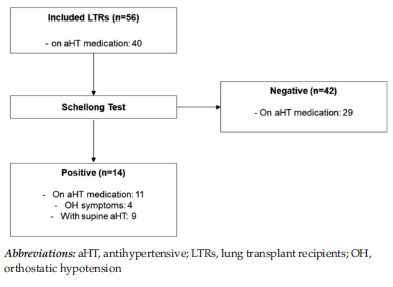
Figure 1.Summary of the Results
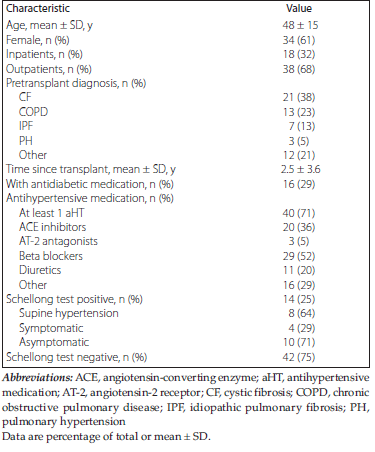
Table 1.Baseline Characteristics of the Analyzed Cohort (N = 56)
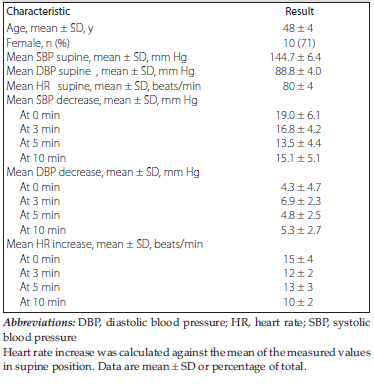
Table 2.Systolic and Diastolic Blood Pressure Decrease and Heart Frequency Increase in Patients With a Positive Schellong Test (N = 14)
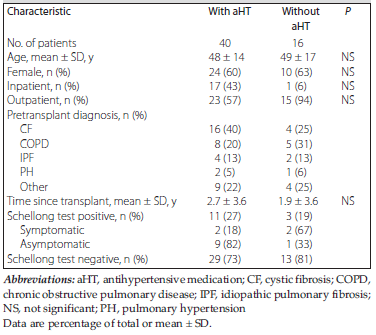
Table 3.Baseline Characteristics of the Patients With or Without Any Antihypertensive Medication